10 Things to Make from Scratch to Save Money (Beginner Friendly Guide)
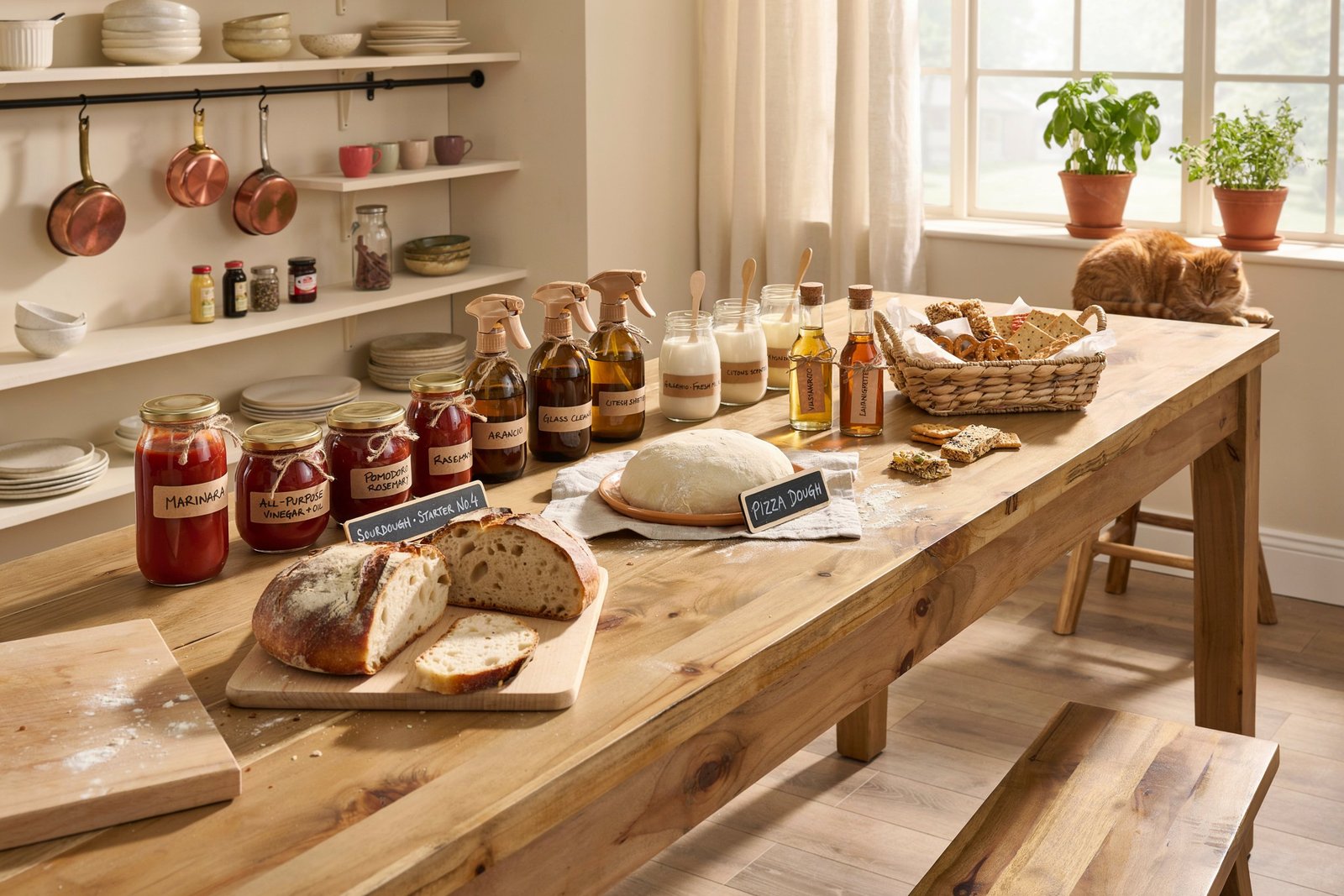
Living on a budget does not mean giving up comfort, good food, or a beautiful home.
In fact, some of the smartest money-saving habits come from learning how to make everyday essentials from scratch.
From homemade bread and cleaning products to DIY beauty items and pantry staples, creating things yourself can dramatically cut monthly expenses while giving you more control over ingredients, quality, and customization.
Many families spend hundreds of dollars every month on convenience products that are surprisingly easy to make at home.
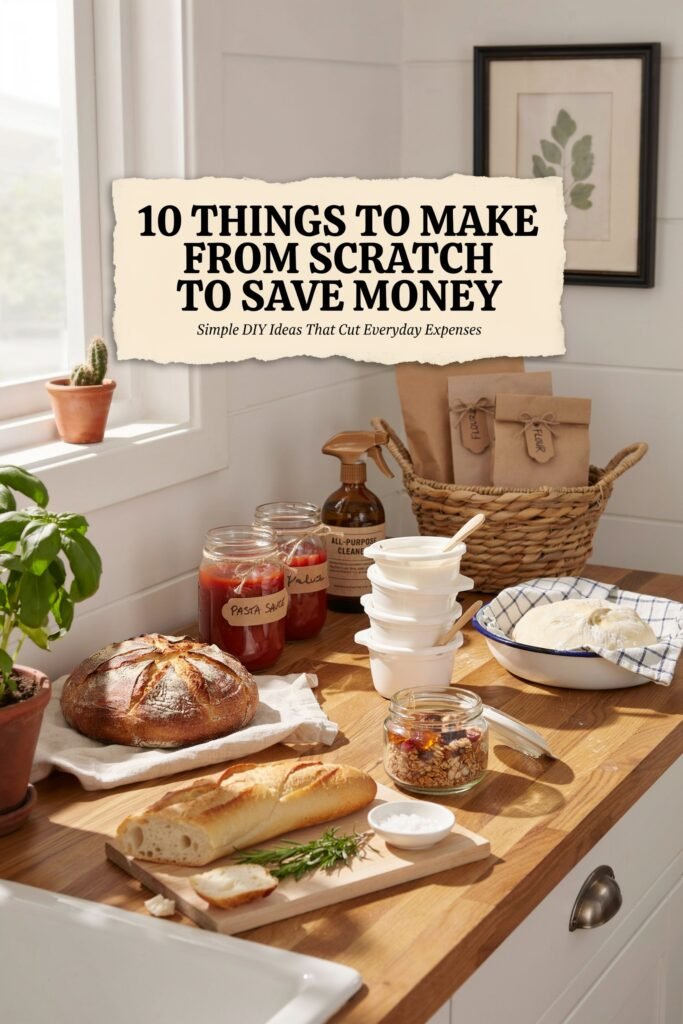
Once you learn a few simple skills, you can reduce waste, avoid unnecessary chemicals, and save a significant amount of money over time.
The best part is that making things from scratch often tastes better, lasts longer, and feels more rewarding than buying mass-produced products from the store.
In this guide, you’ll discover 10 practical things to make from scratch to save money, including step-by-step instructions, useful tips, common mistakes to avoid, and realistic ways to make these habits fit into everyday life.
Disclaimer: This post may contain affiliate links, which means I may earn a small commission at no extra cost to you. Savings will vary depending on ingredients, local prices, and how often you make items from scratch. Always follow food safety guidelines when preparing and storing homemade foods.
Amazon Shopping List: Things to Make from Scratch to Save Money
- Glass Mixing Bowl Set
- Measuring Cups and Spoons Set
- Silicone Baking Mats (Reusable)
- Glass Meal Prep Containers with Lids
- Mason Jar Set for Food Storage
- High-Speed Blender or Food Processor
- Reusable Silicone Food Storage Bags
Why Making Things From Scratch Saves So Much Money

Most store-bought products include hidden costs such as:
- Packaging
- Branding and marketing
- Shipping and transportation
- Preservatives and additives
- Convenience markups
- Premium pricing for “natural” products
When you make products yourself, you eliminate many of those extra costs. You are mostly paying only for raw ingredients or materials.
Another major advantage is reducing waste.
Homemade products often use reusable containers, bulk ingredients, and fewer disposable materials, which helps stretch your budget even further.
Making things from scratch can also:
- Reduce grocery bills
- Help you avoid impulse purchases
- Improve food quality
- Lower household expenses
- Encourage healthier habits
- Teach valuable life skills
- Create more self-sufficiency
You do not need to become completely DIY-focused overnight.
Even replacing just a few store-bought products with homemade versions can save hundreds or thousands of dollars each year.
1. Homemade Bread
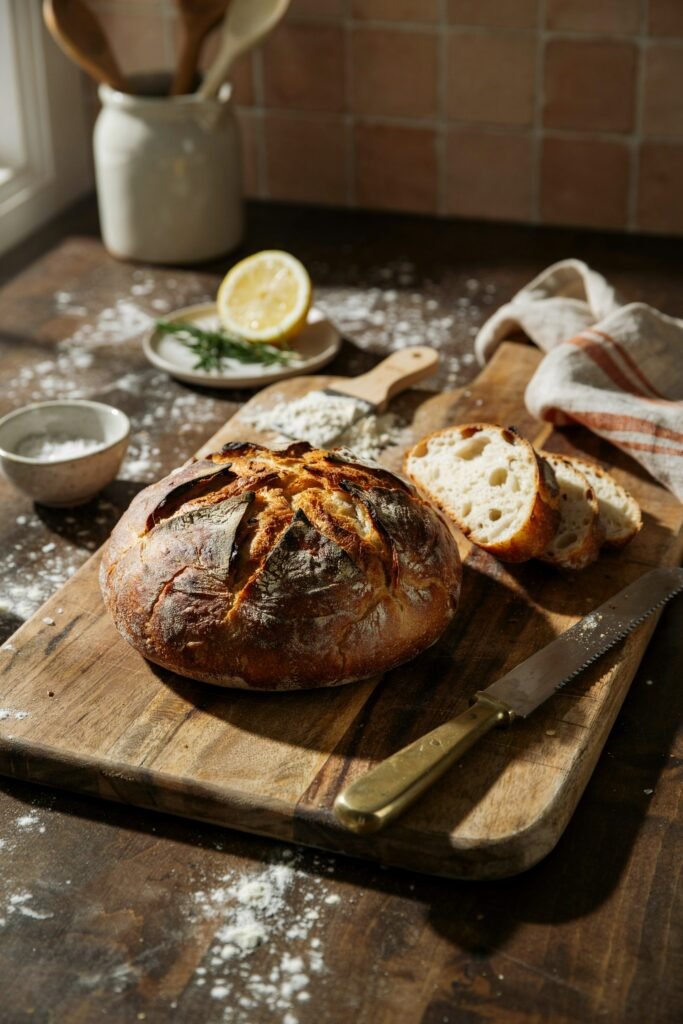
Bread is one of the easiest and most affordable foods to make from scratch.
A homemade loaf often costs far less than artisan or specialty bread from the grocery store, and it usually tastes fresher too.
Why Homemade Bread Saves Money
Store-bought bread can become expensive, especially if you buy organic, whole grain, or bakery-style loaves regularly.
Homemade bread uses inexpensive pantry ingredients and can be customized for your preferences.
What You Need
- 3 cups flour
- 1 packet yeast
- 1 teaspoon salt
- 1 tablespoon sugar
- 1 cup warm water
- 2 tablespoons oil or butter
Step-by-Step Instructions
- Combine warm water, sugar, and yeast in a bowl.
- Let it sit for 5–10 minutes until foamy.
- Add flour, salt, and oil.
- Mix until dough forms.
- Knead for about 8–10 minutes.
- Place dough in a greased bowl and cover.
- Let rise for 1 hour.
- Shape into a loaf and place in a pan.
- Let rise again for 30 minutes.
- Bake at 375°F for 30–35 minutes.
Money-Saving Tips
- Buy flour in bulk
- Freeze extra loaves
- Use leftover bread for croutons or breadcrumbs
- Experiment with whole wheat flour for added nutrition
2. Homemade Laundry Detergent
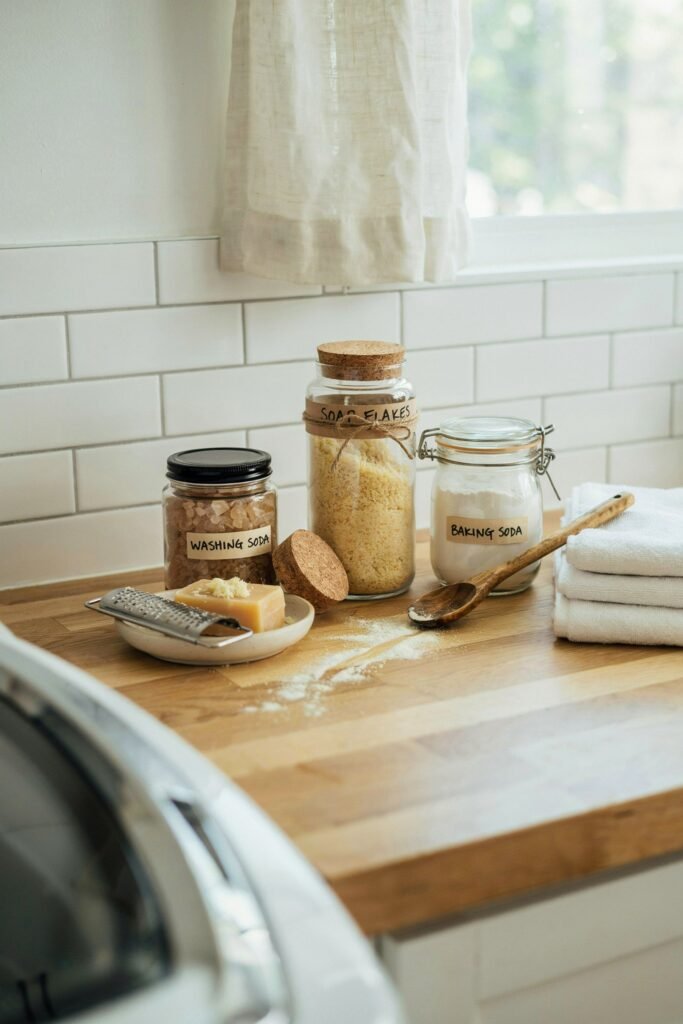
Laundry detergent is a recurring expense that adds up quickly, especially for large families.
Homemade detergent is inexpensive and can last for months.
Benefits of Homemade Laundry Soap
- Lower cost per load
- Fewer harsh chemicals
- Less plastic waste
- Adjustable scent options
Ingredients
- 1 bar castile soap or laundry soap
- 1 cup washing soda
- 1 cup baking soda
- Optional essential oils
Instructions
- Grate the soap bar finely.
- Mix with washing soda and baking soda.
- Store in an airtight container.
- Use 1–2 tablespoons per load.
Helpful Tips
- Keep detergent dry to prevent clumping
- Label containers clearly
- Test on sensitive fabrics first
3. Pasta Sauce
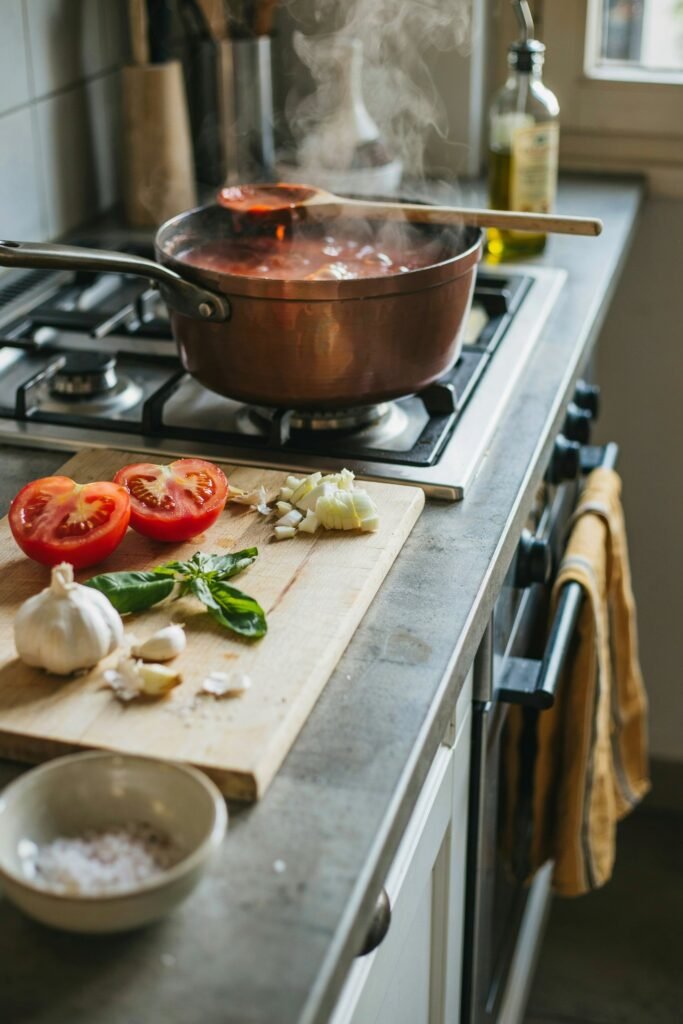
Jarred pasta sauce can become surprisingly expensive over time. Homemade sauce is richer, fresher, and far more customizable.
Why It’s Worth Making
Homemade sauce helps you avoid excess sugar, preservatives, and overpriced specialty brands.
Ingredients
- 2 cans crushed tomatoes
- 1 onion
- 4 garlic cloves
- Olive oil
- Italian seasoning
- Salt and pepper
Instructions
- Sauté onions and garlic in olive oil.
- Add crushed tomatoes.
- Stir in seasonings.
- Simmer for 30–45 minutes.
- Blend if desired.
Ways to Save More
- Make large batches
- Freeze leftovers
- Use garden tomatoes during summer
4. DIY All-Purpose Cleaner
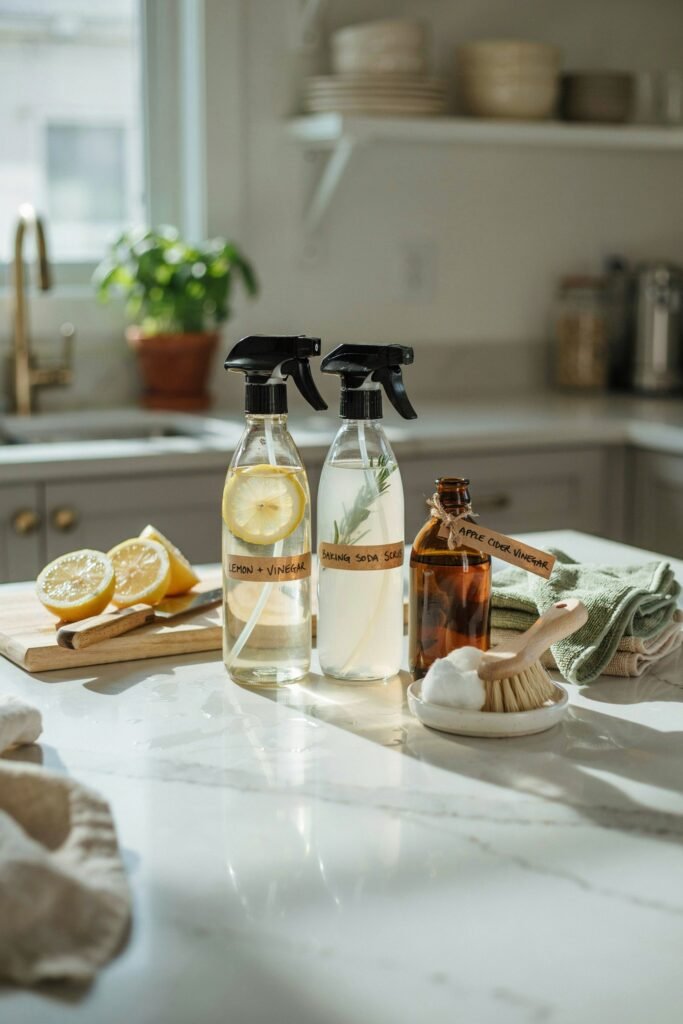
Cleaning products can consume a large portion of the household budget. A simple homemade cleaner works well for many surfaces.
Ingredients
- White vinegar
- Water
- Lemon peels
- Optional essential oils
Instructions
- Fill a spray bottle halfway with vinegar.
- Add equal parts water.
- Add lemon peels or essential oils.
- Shake before use.
Best Uses
- Kitchen counters
- Bathroom surfaces
- Mirrors
- Glass tables
Important Note
Avoid using vinegar on natural stone surfaces like marble or granite.
5. Homemade Yogurt

Yogurt is incredibly affordable to make at home, especially if your household eats it regularly.
Why Homemade Yogurt Is Better
- Less sugar
- No unnecessary additives
- Creamier texture
- Lower long-term cost
Ingredients
- 4 cups milk
- 2 tablespoons plain yogurt with live cultures
Instructions
- Heat milk until hot but not boiling.
- Let cool slightly.
- Stir in yogurt starter.
- Cover and keep warm for 6–12 hours.
- Refrigerate before eating.
Budget Tips
- Use reusable glass jars
- Add homemade fruit toppings
- Strain for thicker Greek yogurt
6. Salad Dressings

Store-bought salad dressings often contain preservatives, fillers, and excess sugar. Homemade versions are simple and inexpensive.
Basic Homemade Vinaigrette
Ingredients
- 3 tablespoons olive oil
- 1 tablespoon vinegar
- Mustard
- Salt
- Pepper
- Honey
Instructions
- Add ingredients to a jar.
- Shake thoroughly.
- Refrigerate and use within a week.
Flavor Variations
- Garlic parmesan
- Lemon herb
- Balsamic honey
- Creamy ranch
7. Homemade Pizza

Pizza delivery is convenient but expensive. Homemade pizza nights can save a huge amount of money each month.
Dough Ingredients
- Flour
- Yeast
- Warm water
- Salt
- Olive oil
Instructions
- Mix ingredients into dough.
- Let rise for 1 hour.
- Roll out dough.
- Add sauce and toppings.
- Bake at 475°F for 12–15 minutes.
Money-Saving Ideas
- Use leftover vegetables
- Make extra dough and freeze it
- Create personal pizzas for family members
8. DIY Body Scrubs
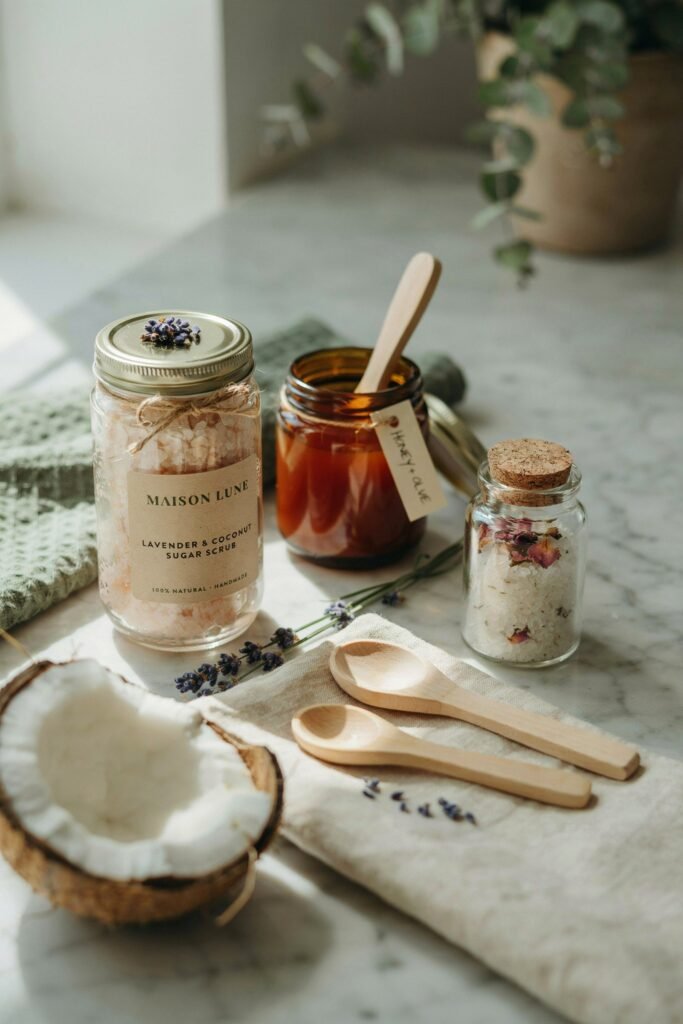
Beauty products often have high profit margins. Homemade body scrubs cost very little and work just as well.
Simple Sugar Scrub Recipe
Ingredients
- 1 cup sugar
- 1/2 cup coconut oil
- Essential oils
Instructions
- Mix all ingredients.
- Store in a jar.
- Use 1–2 times weekly.
Benefits
- Smooth skin
- Affordable self-care
- Natural ingredients
- Great handmade gift option
9. Soup Stock or Broth

Instead of throwing away vegetable scraps or bones, turn them into rich homemade broth.
What You Can Use
- Onion peels
- Carrot tops
- Celery ends
- Chicken bones
Instructions
- Add scraps to a large pot.
- Cover with water.
- Simmer for several hours.
- Strain and store.
Why It Saves Money
- Reduces food waste
- Adds flavor to meals
- Replaces expensive boxed broth
10. Homemade Snacks

Packaged snacks are one of the biggest hidden grocery expenses. Homemade snacks are cheaper and often healthier.
Easy Snack Ideas
- Granola bars
- Popcorn
- Trail mix
- Energy bites
- Baked chips
Homemade Energy Bite Recipe
Ingredients
- Oats
- Peanut butter
- Honey
- Chocolate chips
Instructions
- Mix ingredients together.
- Roll into balls.
- Refrigerate until firm.
Budget Tip
Make snacks in large batches for the week ahead.
Common Mistakes People Make When Trying DIY Money-Saving Projects
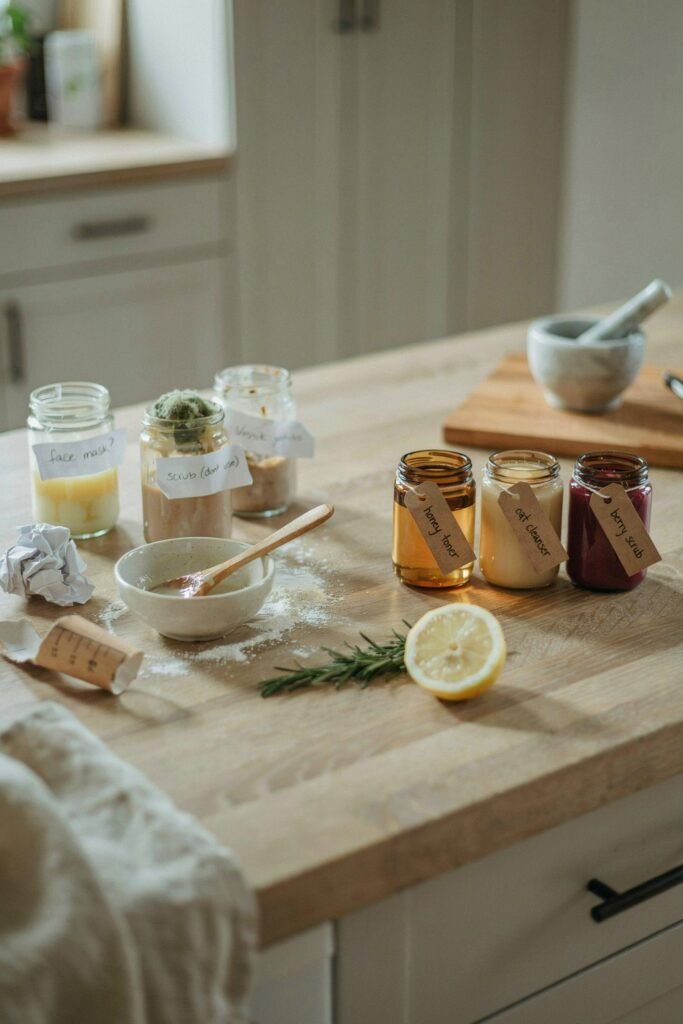
Trying Too Much at Once
Start with one or two items first. Building sustainable habits works better than overwhelming yourself.
Buying Expensive Specialty Equipment
You usually do not need fancy tools. Most homemade products require only basic kitchen or household items.
Ignoring Storage
Proper storage helps homemade products last longer and prevents waste.
Expecting Perfection Immediately
Homemade products may look or taste slightly different at first. Skills improve with practice.
How to Make Homemade Living Easier
Batch Prep on Weekends
Preparing larger quantities saves time during busy weekdays.
Use Reusable Containers
Glass jars and reusable bottles reduce clutter and save money long term.
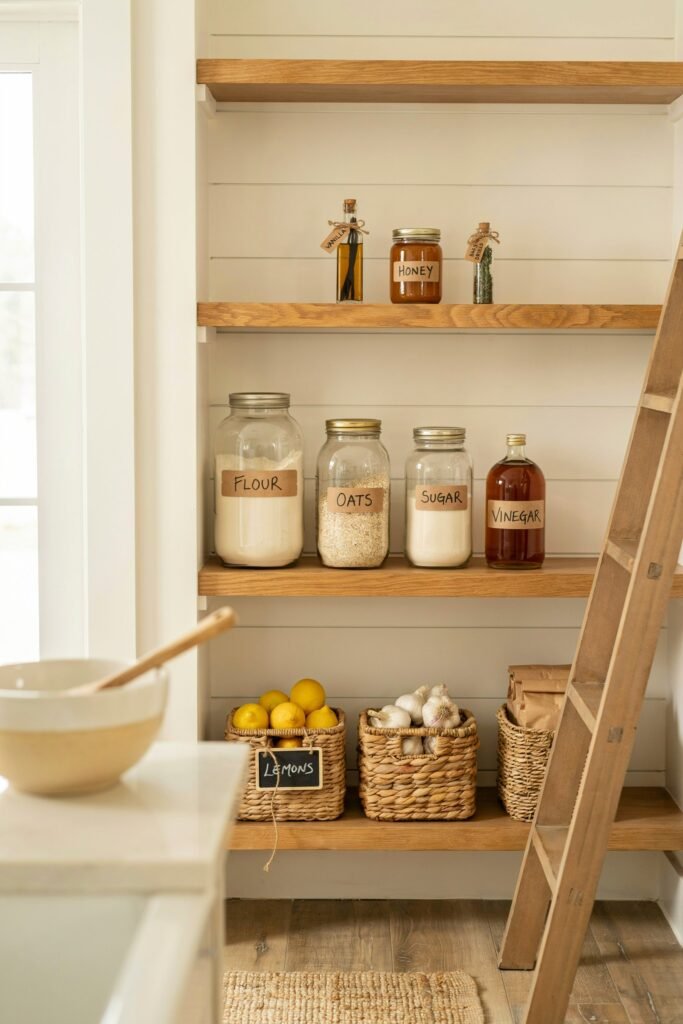
Keep a DIY Pantry
Stock basic ingredients like:
- Flour
- Baking soda
- Vinegar
- Olive oil
- Oats
- Sugar
- Yeast
These ingredients can be used in dozens of homemade recipes.
The Long-Term Financial Benefits of Making Things From Scratch
The real savings happen over time.
A few dollars saved each week may not seem dramatic initially, but over months and years, those savings grow substantially.
For example:
- Homemade coffee drinks can save hundreds yearly
- DIY cleaners reduce recurring expenses
- Homemade meals cut restaurant spending
- Homemade snacks lower grocery costs
Small consistent habits create major financial improvements.
Frequently Asked Questions
Is making things from scratch really cheaper?
Yes, especially for products you buy regularly. Homemade versions often cost significantly less over time.
What is the easiest thing to start making from scratch?
Bread, salad dressing, and cleaning products are some of the easiest beginner-friendly options.
Do homemade products last as long?
Some homemade products have shorter shelf lives because they contain fewer preservatives, but proper storage helps extend freshness.
Can homemade products help reduce waste?
Absolutely. Many DIY products use reusable containers and reduce plastic packaging.
Is homemade living time-consuming?
It can take extra time initially, but batch preparation and simple routines make it manageable.
Final Thoughts
Learning how to make things from scratch is one of the smartest ways to save money without feeling deprived.
It encourages creativity, reduces waste, improves quality, and helps families become more intentional with spending.
You do not have to make everything yourself to see results.
Even choosing a few homemade alternatives can dramatically reduce monthly expenses while giving you healthier, more personalized products.
Start simple. Pick one or two ideas from this list and build from there.
Over time, these small changes can lead to significant savings and a more sustainable lifestyle.