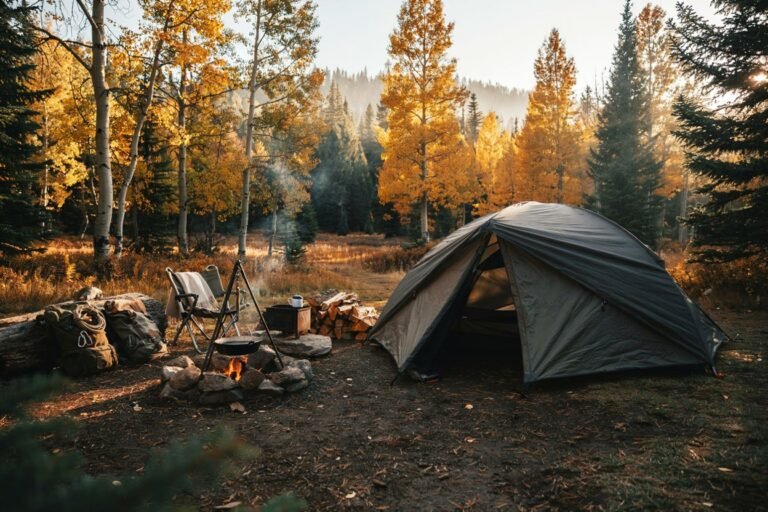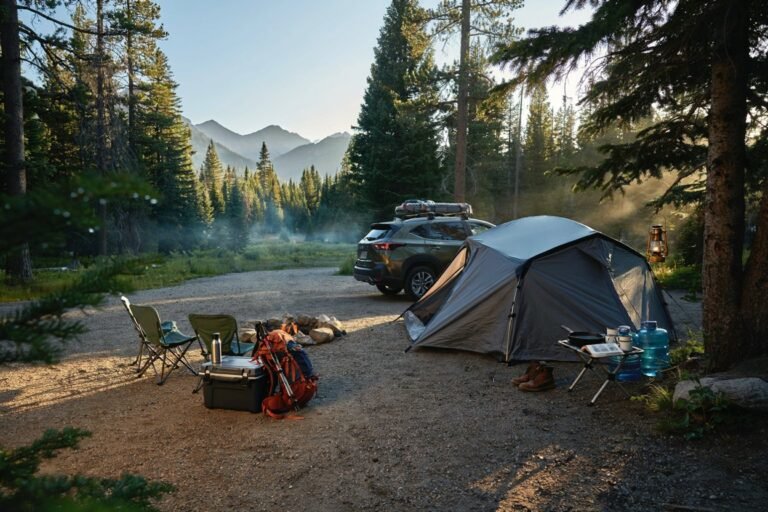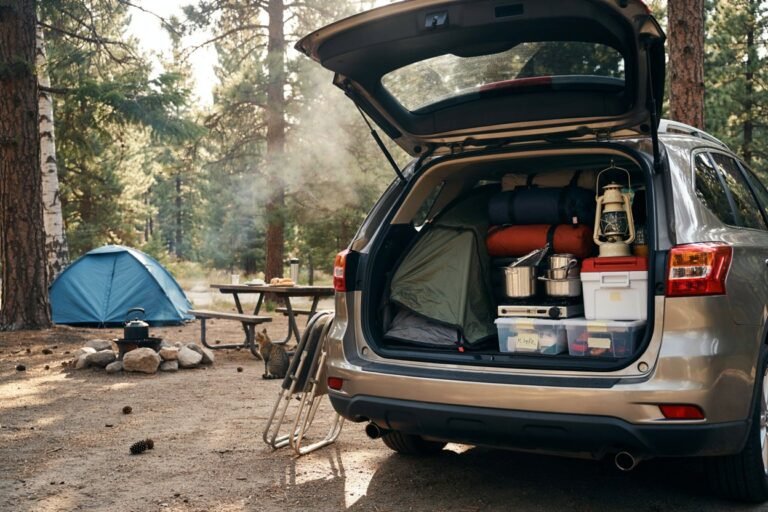
Fall Camping Packing List for the USA: 35 Essentials You’ll Be Glad You Packed
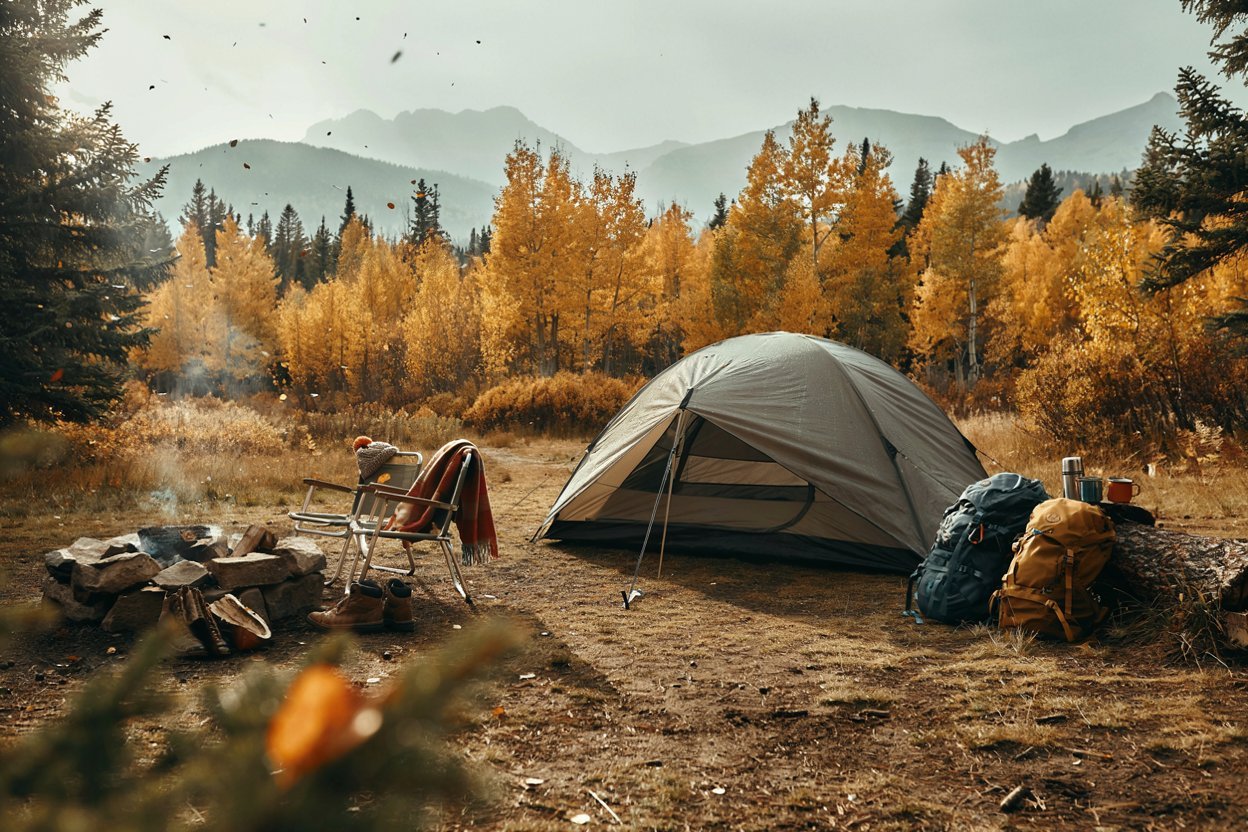
Fall camping is one of my favorite ways to enjoy the outdoors because the cooler temperatures make long days outside much more comfortable.
But packing for a fall camping trip is very different from throwing a few summer camping essentials into the car.
I have learned that the biggest challenge is preparing for changing temperatures. A sunny afternoon can feel warm, while the same campsite can become surprisingly cold once the sun goes down.
When I pack for fall camping, I think about comfort, weather, sleeping conditions, cooking, and the little things that can make a campsite much easier to manage.
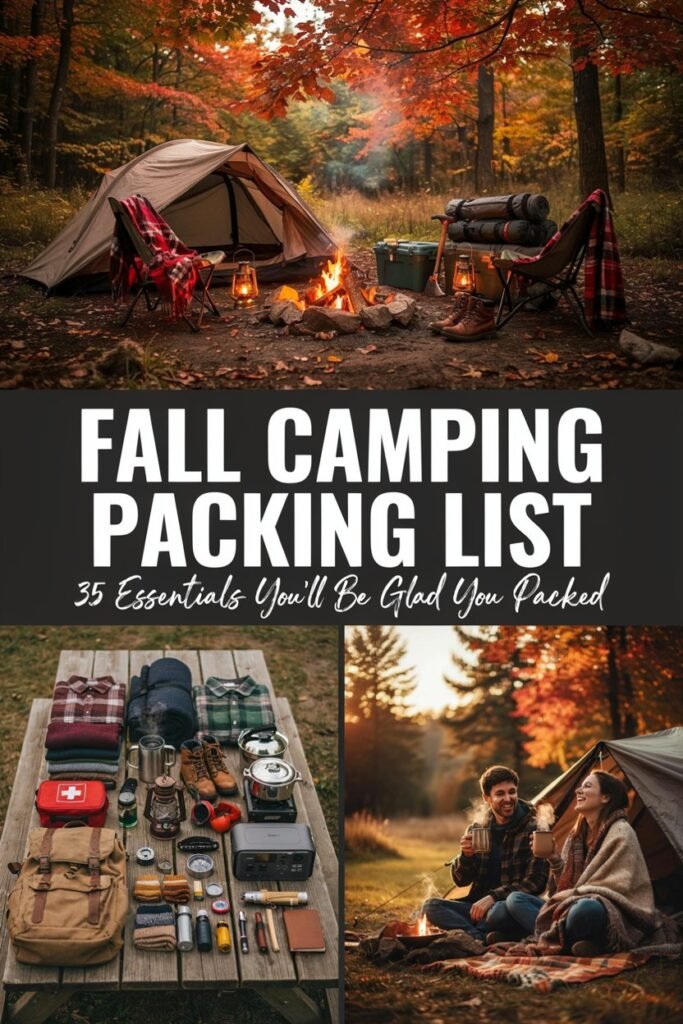
I also pay attention to where we are camping because fall weather in the mountains can be completely different from a weekend near the coast or in the southern United States.
This fall camping packing list for the USA covers the essentials I actually find useful, along with a few items that are easy to forget.
Whether you are planning a weekend car camping trip, a family camping adventure, or a quiet getaway surrounded by fall colors, this checklist will help you pack with more confidence.
Disclaimer
This post may contain affiliate links. As an Amazon Associate, I earn from qualifying purchases at no additional cost to you. I only recommend camping gear that I genuinely find useful for fall trips. Weather, campsite conditions, fire restrictions, and park rules can vary, so always check current local conditions and regulations before heading out.
Amazon Shopping List You Need
- Coleman Sundome Camping Tent – I use a reliable tent with good weather protection for cool fall nights.
- TETON Sports Sleeping Bag – I always pack a warm sleeping bag when temperatures can drop after sunset.
- Therm-a-Rest Sleeping Pad – I use a comfortable sleeping pad for extra insulation and a better night’s sleep.
- Black Diamond Headlamp – I always keep a headlamp handy for setting up camp and moving around after dark.
- Coleman Portable Camping Stove – I use this for making warm meals and hot drinks at camp.
- Hydro Flask Insulated Water Bottle – I love having one to keep drinks at a comfortable temperature during chilly hikes.
- NOCO Portable Power Bank – I always bring backup power for keeping my phone and other small devices charged.
Why Fall Camping Requires More Thoughtful Packing
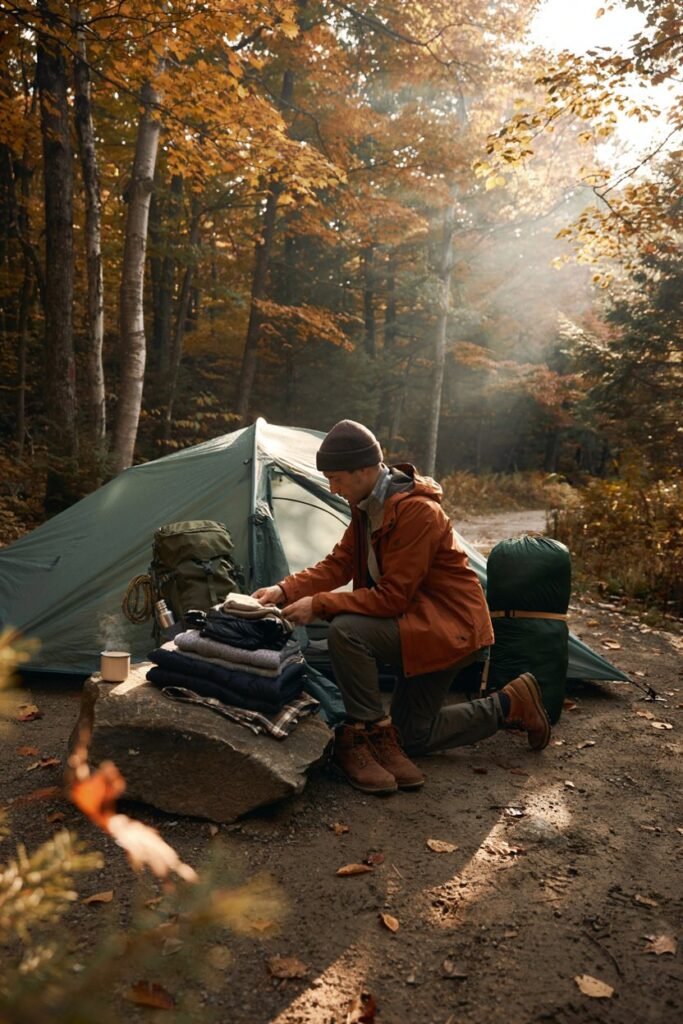
Fall camping sounds simple until you start thinking about the temperature changes.
During the day, you may be walking around in a light shirt and enjoying the sunshine.
By evening, you could be sitting around the campfire wearing several layers and wishing you had packed another pair of warm socks.
That is why I do not pack for fall camping based only on the daytime forecast. I always look at the overnight temperature too.
Another thing I have learned is that staying warm at night is not only about having a thick sleeping bag.
The sleeping pad, clothing, tent, and even the ground beneath you can affect how comfortable you feel.
Fall also brings more unpredictable weather in many parts of the USA.
Rain, wind, cold mornings, and shorter daylight hours can all change how you use your campsite.
I would rather bring a few useful extras than discover after sunset that something important is sitting at home.
1. A Reliable Tent
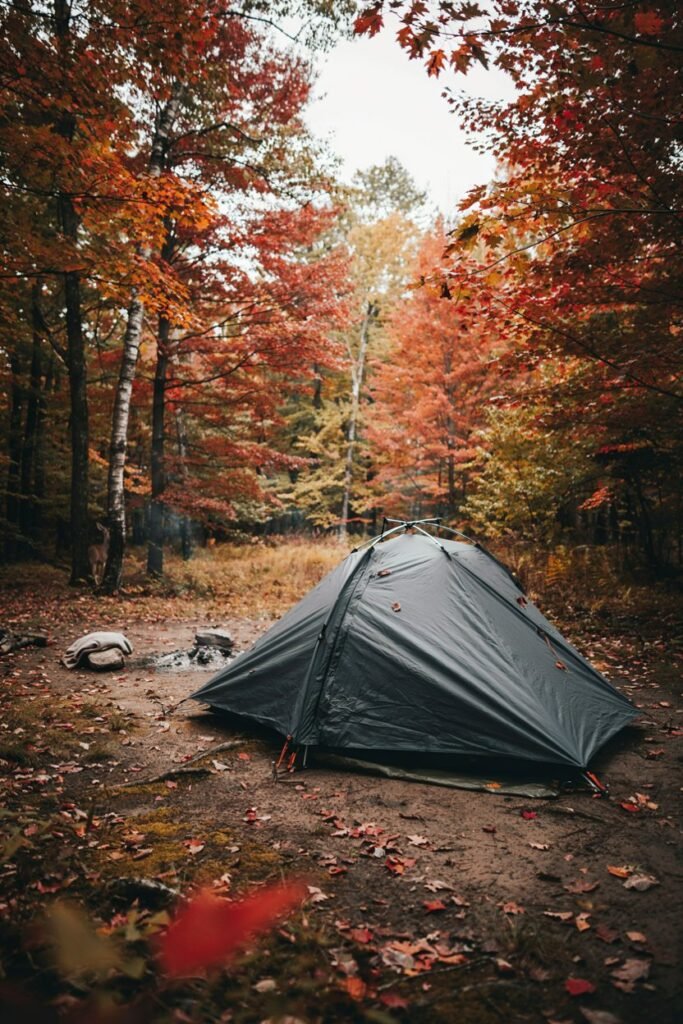
A good tent is the first thing I think about when preparing for a fall camping trip.
For most fall camping trips, I prefer a dependable three season tent that provides good ventilation while still giving enough protection from wind and rain.
I also pay close attention to the rainfly because a tent that feels perfectly comfortable during a dry afternoon can become a completely different experience when rain moves in overnight.
Before leaving home, I check the tent itself instead of assuming everything is ready.
I make sure the poles are complete, the stakes are packed, the zippers work properly, and the rainfly is included.
I learned that checking these things at home is much easier than discovering a missing tent pole at a campsite.
If I know the forecast may bring rain, I also make sure I have a tarp or other suitable shelter option packed.
Keeping the area around the tent as dry as possible makes the entire camping experience more comfortable.
2. Tent Footprint or Ground Tarp
A tent footprint is one of those items that can seem unnecessary until you camp in wet or rough conditions.
I like having something underneath the tent because it provides an additional layer between the tent floor and the ground.
It can help protect the bottom of the tent from moisture, dirt, small stones, and rough surfaces.
If you do not have a purpose made footprint, a properly sized ground tarp can work as an alternative.
The important thing is to avoid having excess material sticking out around the sides of the tent where rainwater could collect and run underneath.
This is a small detail, but it is one I pay attention to when setting up camp.
3. Sleeping Bag Suitable for Fall Temperatures
Your sleeping bag is one of the most important items on a fall camping checklist.
I do not choose a sleeping bag based on how warm the afternoon feels.
I look at the expected nighttime temperature and choose my sleeping setup accordingly.
For colder destinations, I want a sleeping bag that provides enough insulation for the conditions I expect.
If I am camping somewhere with milder fall temperatures, I may not need the same level of insulation.
It is also important to remember that temperature ratings are not a guarantee that every person will feel equally warm.
Some people naturally sleep colder than others.
I usually pack an additional blanket when there is room in the car because I like having another layer available.
It is much easier to remove a blanket if you become too warm than to spend the night wishing you had packed one.
4. Insulated Sleeping Pad
A sleeping pad is something I would never leave behind on a cool weather camping trip.
When the temperature drops, the cold ground can make sleeping uncomfortable even when you have a warm sleeping bag.
A good sleeping pad provides cushioning, but it also creates insulation between your body and the ground.
I have found that this can make a noticeable difference in how comfortable I feel throughout the night.
If I know the temperatures are going to be particularly low, I pay more attention to the insulation rating of the sleeping pad instead of choosing one based only on comfort or thickness.
It is one of those pieces of camping equipment that can make a basic sleeping setup feel much better.
5. Extra Blankets
I always like having an extra blanket available for fall camping.
It can be useful inside the tent, around the campfire, in the car, or simply when sitting outside in the evening.
I especially like keeping one easily accessible instead of burying it underneath bags and cooking equipment.
Once the temperature starts dropping, the last thing I want to do is unpack half the car just to find something warm.
A fleece blanket is lightweight and easy to store, while a heavier blanket can be useful for colder trips.
If you are camping with children, having an extra blanket or two is even more helpful because everyone may have a different tolerance for cold temperatures.
6. Warm Base Layers
Fall camping is much easier when you dress in layers.
I usually prefer starting with a comfortable base layer rather than putting on one extremely heavy jacket.
A moisture wicking long sleeve shirt can help keep me comfortable while I am moving around during the day, and I can add another layer as the temperature falls.
Base layers are particularly useful in the morning when the campsite is cold but you still need to prepare breakfast, pack equipment, or take down the tent.
I also avoid relying entirely on cotton when I expect cold or wet conditions.
Clothing that stays damp can become uncomfortable quickly, especially when temperatures are low.
7. Fleece or Warm Mid Layer
A fleece jacket is one of the most useful pieces of clothing I pack for fall camping.
It is warm without being difficult to move around in, and I can easily take it off when the afternoon becomes warmer.
I usually keep my fleece somewhere near the top of my clothing bag rather than packed underneath everything else.
That way, I can grab it quickly when the temperature starts dropping.
Layering also gives me more flexibility than bringing one very heavy coat.
I can wear a base layer during the day, add fleece in the evening, and then add an insulated jacket if the temperature drops further.
8. Insulated Jacket
For colder fall camping trips, I bring an insulated jacket even if the daytime forecast looks comfortable.
This is especially important when camping in higher elevations or areas where temperatures can change quickly.
A lightweight insulated jacket is easy to carry and can make a big difference when sitting around the campfire after dark.
I have also learned not to judge how cold a campsite will feel simply by looking at the afternoon weather. Once the sun disappears, the temperature can change quickly.
9. Waterproof Rain Jacket
A rain jacket is one of the easiest things to justify packing because it has more uses than simply protecting you from rain.
It can also provide an additional wind resistant layer when you are sitting outside on a chilly evening.
I prefer a jacket that is comfortable enough to wear over my other layers.
If the jacket is too tight, it becomes difficult to add fleece or another warm layer underneath.
I also keep it somewhere accessible rather than buried inside my main luggage.
Weather can change quickly, and I want to be able to reach it without unpacking everything.
10. Warm Socks and Extra Socks
Extra socks are one of the simplest things to pack and one of the easiest things to appreciate at camp.
I always pack more socks than I think I will need, particularly when rain is in the forecast.
Wet feet can make a camping trip miserable, especially when temperatures are dropping.
Having a completely dry pair available can make a surprisingly big difference.
For colder trips, I prefer warm hiking or wool blend socks that provide insulation without making my hiking shoes uncomfortably tight.
I also keep one clean pair specifically for sleeping. Having dry socks reserved for the evening is a small comfort that I really appreciate after a long day outside.
11. Comfortable Camping Pants
I like having at least one pair of comfortable pants specifically for camping.
For fall trips, I usually prefer pants that are comfortable enough for hiking but also practical around the campsite.
They need to let me move easily when I am setting up the tent, collecting firewood, preparing food, or sitting around the campfire.
I also think about the weather before deciding what to bring.
Lightweight hiking pants can work well for mild fall conditions, while warmer pants or thermal layers may be more appropriate when temperatures are expected to drop.
I always pack an extra pair because pants can get wet or dirty surprisingly quickly when you are spending most of the day outdoors.
12. Beanie and Warm Hat
A warm hat takes up very little space in a camping bag, so I usually bring one even when I am not sure I will need it.
This becomes especially useful after sunset and early in the morning when the campsite can feel much colder than it did during the afternoon.
I like keeping my hat somewhere easy to reach because it is one of those items I may suddenly want once the temperature drops.
For colder camping trips, I prefer a comfortable hat that covers my ears without feeling too tight.
13. Gloves
Lightweight gloves are another small item that can make cold mornings much easier.
I have found them particularly useful when setting up or packing down camp early in the morning.
Handling tent poles, stakes, cookware, and other equipment can feel much less comfortable when your hands are cold.
You do not necessarily need heavy winter gloves for every fall camping trip.
A simple warm pair may be enough for mild conditions, while colder destinations may require something more insulated.
14. Camp Stove and Fuel
A camp stove is one of the most useful pieces of equipment for fall camping because warm food becomes even more enjoyable when the temperature drops.
I like having a simple cooking setup that does not require too much effort.
After spending the day outside, I do not want to spend an hour trying to prepare dinner with complicated equipment.
Before leaving home, I check the fuel supply and make sure the stove works properly.
This is especially important when camping somewhere remote.
Discovering that you forgot the fuel or that the stove does not work is much more frustrating when the nearest store is a long drive away.
I also pack the stove and fuel in a way that keeps them easy to access when we arrive.
15. Lighter and Waterproof Matches
I never rely on a single method for starting a fire or lighting a stove.
I usually bring a lighter along with waterproof matches or another reliable backup option.
These items are tiny, so there is very little reason not to have more than one way to create a flame when your camping setup requires it.
If you are planning to have a campfire, always check the campground rules and local fire restrictions before lighting one.
Conditions can change during the fall, and some areas may have restrictions even when the weather feels cool.
16. Cooking Pot and Basic Utensils
You do not need a huge kitchen setup for a weekend camping trip.
I prefer bringing a few dependable pieces that can handle the meals I have planned.
A pot, pan, knife, cutting board, spatula, spoon, and serving utensil can be enough for many simple camping meals.
Before packing, I think about what we are actually going to eat.
This helps prevent me from bringing a large collection of cooking equipment that never gets used.
For fall camping, I especially like meals that can be cooked in one pot or one pan because they create less washing up at the end of the evening.
17. Cooler and Food Storage
A good cooler becomes especially useful when you are bringing fresh food for several days.
I usually organize the cooler before leaving home instead of simply throwing everything inside.
Keeping drinks, breakfast ingredients, meat, snacks, and other food organized makes it much easier to find what I need.
I also bring separate containers or storage bags for food that does not need refrigeration.
When camping, I try not to leave food lying around the campsite.
Proper food storage is important for keeping animals away and maintaining a cleaner campsite.
Always follow the food storage requirements for the campground or public land where you are staying because rules can vary by location.
18. Plenty of Drinking Water
Water is one of the things I never want to underestimate when preparing for a camping trip.
Even when a campground says water is available, I like knowing how much drinking water we have with us and where we can refill it.
I also think beyond drinking. Water may be needed for cooking, washing dishes, brushing your teeth, and cleaning up after meals.
For remote camping, water planning becomes even more important.
If you plan to collect and treat water from a natural source, bring the appropriate filtration or purification equipment and know how to use it before you leave home.
I would rather carry a little extra water than discover that we are running short at the end of the day.
19. Headlamp
A headlamp is one of my favorite camping items because it leaves both hands free.
Fall brings shorter daylight hours, which means you may find yourself setting up your tent, preparing dinner, or walking around camp after dark even when you did not plan to.
A flashlight works, but having light attached to your head is much more convenient when both hands are busy.
I also check the batteries before leaving and keep spare batteries packed with my other emergency supplies.
I recommend giving every person in the camping group their own light rather than expecting everyone to share one flashlight.
20. Lantern
I like having a lantern at the main campsite because a headlamp is great for personal use but does not always provide enough light for the entire cooking or eating area.
A lantern can make the campsite feel much more comfortable after sunset.
I usually place it somewhere stable where it can illuminate the area without being in the way.
I also avoid placing it too close to anything that could be damaged by heat, depending on the type of lantern being used.
Having good lighting also makes evening cleanup much easier.
21. Portable Power Bank
Even when I am trying to disconnect from my phone while camping, I still want it available for navigation, weather updates, emergency communication, photos, and campground information.
A portable power bank gives me a backup when my phone battery starts running low.
I charge it fully before leaving and keep the charging cable with it so I am not searching through multiple bags later.
For longer trips, I may bring a larger capacity power bank or a car charging option as well.
22. First Aid Kit
A basic first aid kit belongs on every fall camping packing list.
It does not need to be enormous.
I focus on having supplies for common minor problems such as small cuts, blisters, scrapes, headaches, and other basic camping mishaps.
I also check the kit before each trip rather than assuming everything inside is still usable.
If someone in the group needs specific personal medications or medical supplies, those should be packed separately and kept easily accessible.
I prefer knowing exactly where the first aid kit is instead of putting it at the bottom of a large storage container.
23. Toiletries and Personal Hygiene Supplies
Camping does not mean completely forgetting about basic hygiene.
I usually pack a small toiletry bag with a toothbrush, toothpaste, soap, deodorant, hand sanitizer, toilet paper, wet wipes, lip balm, and any personal care products I need.
I keep the bag compact because I do not want to bring a full bathroom cabinet into the tent.
Wet wipes are particularly useful after a long day outside when a full shower is not immediately available.
I also bring a small quick drying towel because it is useful for washing up, drying hands, or dealing with unexpected spills.
24. Insect Repellent
Cooler temperatures may reduce insects in some areas, but I still pack insect repellent for fall camping.
The amount you need depends heavily on where you are camping and what the local conditions are.
I especially remember this when camping near water, wooded areas, or places where insects remain active during the fall.
I prefer keeping repellent somewhere accessible rather than buried inside my toiletries bag because it is much easier to use when it is right there.
25. Sunscreen and Lip Balm
Fall weather can feel cool enough that sunscreen is easy to forget.
I still pack it because you can spend hours outside hiking, cooking, walking around camp, or sitting by the fire without realizing how much sun exposure you are getting.
Lip balm is another small comfort item that I like having available, particularly when the air becomes cooler and drier.
These are inexpensive items that take up very little room, so they are easy additions to my camping bag.
26. Camping Chairs
A camping chair may not be an absolute necessity, but I consider it one of the best comfort items for car camping.
After hiking or spending the day exploring, having somewhere comfortable to sit around camp makes the evening much more enjoyable.
I like folding chairs that are easy to carry and do not take up too much space in the car.
If I am packing for a longer trip, I also think about where everyone will sit during meals because having enough seating makes the campsite feel much more organized.
27. Outdoor Blanket
An outdoor blanket has several uses during a fall camping trip.
I can spread it over a chair, use it for sitting outside, keep it inside the tent, or wrap it around myself when the evening becomes chilly.
It is another item that I consider especially useful for car camping because I have more room to bring comfort items.
I like choosing one that is easy to shake out and clean because camping equipment tends to collect dirt quickly.
28. Trash Bags
Trash bags are one of those things that are easy to overlook until you need one.
I always pack several.
They can be used for food waste, packaging, dirty clothes, wet gear, and general campsite cleanup.
I also keep separate bags available for anything that becomes wet.
This prevents damp clothing or towels from getting mixed in with everything else inside the car.
Most importantly, I make sure we leave the campsite clean and follow the campground’s waste disposal rules.
29. Emergency Blanket and Whistle
These are small safety items that barely take up any space.
An emergency blanket can provide an additional layer of protection in an unexpected situation, while a whistle can be useful if someone becomes separated from the group or needs to attract attention.
I hope I never need either one, but I would rather have them packed than wish I had brought them.
I keep these items with my first aid and emergency supplies so they are easy to locate.
30. Offline Maps and Navigation Backup
I do not like depending entirely on a phone signal when camping.
Some beautiful camping areas are located far enough from towns that cellular service can be unreliable or completely unavailable.
Before leaving, I download offline maps for the area and make sure I know the basic route.
For more remote trips, I also like having a physical map or another navigation backup.
This is particularly important in the fall because shorter daylight hours can make getting lost or taking a wrong turn more stressful than it would be during summer.
I always tell someone where we are going and when we expect to return, especially when the trip takes us into a remote area.
Part 3 finishes the article with the sections that make it more useful than a basic packing list.
I’m keeping the advice practical and personal, especially around changing weather, regional differences, and the things that are easy to forget.
31. Rain Gear and Waterproof Storage
Rain is one of the biggest things I prepare for when camping in the fall.
Even when the forecast looks good, I like having a waterproof jacket, waterproof footwear, and a way to protect important gear from getting wet.
I also keep a few waterproof storage bags or heavy duty plastic bags in the car.
They are useful for separating wet clothes from everything else and protecting things such as electronics, extra clothing, and sleeping gear.
One thing I have learned is that keeping your sleeping gear dry should be a priority.
Getting caught in a little rain is manageable, but crawling into a wet sleeping bag at night can make an otherwise enjoyable camping trip miserable.
I also make sure the tent rainfly is properly positioned and check that water has somewhere to drain away from the tent.
32. Extra Clothes for Unexpected Weather
I always pack at least one complete change of clothes that I do not plan to use unless I really need it.
This includes underwear, socks, pants, and a warm top.
Having a dry outfit available gives me peace of mind because weather does not always follow the forecast.
You could get caught in a rain shower while hiking, accidentally spill something while cooking, or simply get dirtier than expected while setting up camp.
For car camping, I keep the extra clothes in a waterproof bag inside the vehicle.
For backpacking, I would be much more selective because every additional item adds weight.
The important thing is having something dry and warm available when you need it.
33. Firewood and Campfire Supplies
If campfires are permitted where I am staying, I like having a plan for firewood before arriving.
Some campgrounds sell firewood on site, while others have specific rules about bringing or collecting it.
I always check the campground regulations before packing or buying anything.
I also bring a lighter and a reliable fire starting option rather than assuming I can easily get a fire going with whatever happens to be available.
A fall campfire can be one of the best parts of the trip, especially when the evening becomes chilly.
Sitting outside with a warm drink after dinner is one of the simple things I enjoy most about camping during this season.
Just remember that fire restrictions can change depending on local conditions, so always follow the rules for the area you are visiting.
34. Camp Cleanup Supplies
I like to keep a small collection of cleanup supplies with the cooking equipment.
This usually includes biodegradable dish soap where appropriate, a sponge or scrubber, paper towels, reusable towels, trash bags, and a small container for dirty dishes.
I have found that cleaning as soon as possible makes the campsite much easier to manage.
If dishes and food containers are left sitting around, the mess only becomes harder to deal with later.
I also make a point of checking the ground around the campsite before leaving. Small pieces of food packaging, bottle caps, and other tiny items are easy to miss when everyone is in a hurry to pack the car.
Leaving the campsite clean is just as important as arriving prepared.
35. A Small Repair Kit
A basic repair kit can save a lot of frustration.
I usually keep a small selection of useful items together rather than putting them throughout different bags.
Depending on the trip, this can include strong repair tape, cord, zip ties, a basic multitool, tent repair materials, and other small items suitable for fixing camping equipment.
I do not expect to repair major damage at the campsite, but small problems are common.
A loose strap, broken buckle, small tent tear, or piece of equipment that needs securing can often be dealt with quickly when you have a few basic supplies available.
For me, this is one of those things that takes almost no space but is worth bringing.
What to Pack for Rainy Fall Camping
Rain can completely change a fall camping trip, so I pack differently when wet weather is expected.
I make sure my rain jacket is easy to reach, my tent rainfly is packed, and I have a dry place for extra clothing.
My rainy weather checklist usually includes:
- Waterproof rain jacket
- Waterproof footwear
- Extra socks
- Tent rainfly
- Tarp
- Waterproof storage bags
- Quick drying towel
- Extra clothes
- Dry bags for important equipment
- Extra lighting
One of my biggest tips is to avoid waiting until it starts raining before organizing your campsite.
If rain is expected, set everything up while the weather is still dry. Make sure your cooking area is protected and keep your clothes and sleeping gear inside waterproof storage.
It is much easier to prepare for rain before you are standing outside in it.
What to Pack for Cold Fall Camping
Cold weather requires more attention to your sleeping setup than simply bringing a heavier jacket.
When I expect colder temperatures, I think about the entire system.
That means a suitable sleeping bag, an insulated sleeping pad, warm clothing, dry socks, a hat, gloves, and an additional blanket if I have room.
I also pay attention to the overnight temperature rather than focusing only on the daytime forecast.
If you are camping at higher elevations, remember that temperatures can be considerably different from what you experience in nearby towns.
For particularly cold trips, I would rather be slightly overprepared than discover that my sleeping system is not warm enough once I am already inside the tent.
Fall Camping Packing Tips by Region
One reason I like creating USA specific camping lists is that fall does not look the same everywhere.
What you need for a weekend in Arizona can be very different from what you need for a trip through the mountains or the Northeast.
Northeast
Fall can bring beautiful foliage and comfortable daytime temperatures, but mornings and nights can become quite cold.
I would prioritize warm layers, a reliable sleeping bag, extra socks, rain protection, and a good sleeping pad.
If you are camping later in the season, check the forecast carefully because conditions can change quickly.
Southeast
The Southeast can stay warmer for longer, but that does not mean you should leave your rain gear at home.
I would pay attention to humidity, rain, insects, and changing temperatures.
Lightweight clothing can be useful during the day, while a light jacket or fleece may be helpful once temperatures drop in the evening.
Midwest
Fall weather in the Midwest can change quickly.
I would pack layers rather than relying on one type of clothing and make sure I have rain protection and warm sleeping gear.
Wind can also make cool temperatures feel considerably colder, so I like having a wind resistant outer layer available.
Mountain West
This is where I become much more careful about overnight temperatures.
Mountain weather can change quickly, and higher elevations can become cold even when the surrounding areas still feel mild.
I would prioritize an appropriate sleeping bag, insulated sleeping pad, warm layers, gloves, a hat, rain protection, and reliable navigation.
Always check local conditions before heading into higher elevations.
Pacific Northwest
Rain protection is especially important for many fall camping trips in this region.
I would make sure the tent rainfly is dependable, clothing can stay dry, and there is a good way to separate wet gear from dry gear.
A waterproof jacket and extra socks would be near the top of my list.
Southwest
The Southwest can have surprisingly large temperature changes between daytime and nighttime.
You may feel warm while exploring during the afternoon and then need several layers after sunset.
I would pack breathable clothing for the day along with warm layers for the evening and make sure there is enough water for the trip.
Things Campers Often Forget
After packing for enough outdoor trips, I have noticed that the things people forget are not always the big items.
They are usually the small things that become important once you are already at the campsite.
Here are some I always double check before leaving:
- Extra socks
- Headlamp
- Extra batteries
- Tent footprint
- Sleeping pad
- Rain jacket
- Warm hat
- Gloves
- Trash bags
- Toilet paper
- Hand sanitizer
- Phone power bank
- Lighter
- First aid supplies
- Extra food
- Extra water
- Offline maps
- Waterproof storage bags
- Camp chair
- Extra blanket
I usually do one final check through this list before loading the car.
It only takes a few minutes and can save you from making an unnecessary trip to the nearest store.
Printable Fall Camping Packing Checklist
Shelter and Sleeping
□ Tent
□ Tent footprint
□ Sleeping bag
□ Sleeping pad
□ Camping pillow
□ Extra blanket
□ Tent stakes
□ Tarp
Clothing
□ Base layers
□ Long sleeve shirts
□ Fleece jacket
□ Insulated jacket
□ Rain jacket
□ Hiking pants
□ Warm socks
□ Extra socks
□ Beanie
□ Gloves
□ Comfortable camp clothes
□ Waterproof footwear
Cooking
□ Camp stove
□ Fuel
□ Lighter
□ Waterproof matches
□ Cooking pot
□ Pan
□ Cooking utensils
□ Plates
□ Bowls
□ Cups
□ Cooler
□ Food storage containers
□ Trash bags
□ Dish soap
□ Sponge
Food and Water
□ Drinking water
□ Coffee or tea
□ Breakfast food
□ Lunch ingredients
□ Dinner ingredients
□ Snacks
□ Warm drinks
□ Water filtration or purification equipment if needed
Lighting and Electronics
□ Headlamp
□ Flashlight
□ Lantern
□ Extra batteries
□ Power bank
□ Charging cables
□ Car charger
Personal Care
□ Toothbrush
□ Toothpaste
□ Soap
□ Deodorant
□ Hand sanitizer
□ Toilet paper
□ Wet wipes
□ Towel
□ Sunscreen
□ Lip balm
□ Insect repellent
Safety
□ First aid kit
□ Emergency blanket
□ Whistle
□ Navigation backup
□ Offline maps
□ Repair supplies
□ Emergency contact information
What I Check Before Leaving Home
Packing everything is only part of preparing for a fall camping trip.
Before I leave, I like doing one final check of the things that could affect the trip.
First, I check the weather again.
I look at the daytime temperature, overnight temperature, rain, wind, and any major weather changes that could affect the area.
Next, I check the campground.
I make sure I know the reservation details, arrival information, campground rules, fire restrictions, available facilities, and whether drinking water is available.
I also check the route.
If the campsite is in a remote area or higher elevation, I want to know what the roads are like before leaving rather than trying to figure everything out after we are already on the way.
Then I check the equipment.
I make sure the tent is complete, the sleeping bags are ready, the stove works, the lantern has batteries, the power bank is charged, and the first aid kit is stocked.
Finally, I make sure someone knows where we are going and when we expect to return, especially when we are heading somewhere remote.
Frequently Asked Questions
What should I pack for fall camping in the USA?
The basics include a suitable tent, sleeping bag, insulated sleeping pad, warm layers, rain protection, cooking supplies, food, water, lighting, first aid supplies, toiletries, and emergency equipment.
The exact clothing and sleeping gear should depend on the expected overnight temperature and the region where you are camping.
What should I wear for fall camping?
Layering usually works best. Start with a comfortable base layer, add a fleece or other warm mid layer, and bring an insulated or waterproof outer layer depending on the conditions.
Warm socks, a hat, and gloves are also useful when temperatures drop.
How do I stay warm while fall camping?
Start with an appropriate sleeping bag and insulated sleeping pad.
Dress in dry layers, keep your feet warm, and bring an additional blanket if you have room.
Avoid relying only on a heavy jacket because your sleeping setup is just as important for staying comfortable overnight.
Is fall a good time for camping?
Fall can be an excellent time for camping because many areas have cooler temperatures, fewer insects, beautiful scenery, and comfortable daytime conditions.
The main thing to prepare for is the change in temperature between daytime and nighttime.
What food is best for fall camping?
I prefer simple meals that are easy to prepare and satisfying in cooler weather.
Chili, soup, pasta, skillet meals, oatmeal, breakfast burritos, sandwiches, roasted potatoes, and warm drinks are all practical options.
Do I need a rain jacket for fall camping?
I recommend bringing one whenever there is a reasonable chance of rain or changing weather.
A rain jacket can also provide an additional wind resistant layer when the evening becomes cold.
What should I pack for a weekend fall camping trip?
For a short trip, focus on versatile clothing, a reliable sleeping system, simple cooking equipment, enough food and water, lighting, personal care supplies, and basic safety equipment.
Avoid bringing unnecessary gear that takes up valuable space in the car.
Final Thoughts
Fall camping does not require packing every piece of outdoor equipment you can find.
What matters more is understanding the conditions you are likely to encounter and choosing gear that helps you stay comfortable, dry, warm, and prepared.
For me, the biggest difference comes from thinking beyond the daytime weather.
I pay attention to the overnight temperature, pack clothing in layers, keep extra socks and dry clothes available, and make sure the things I may need after dark are easy to reach.
I also try to keep the packing process simple.
Having a well organized camping setup makes it much easier to enjoy the actual trip instead of spending the entire weekend searching through bags and storage containers.
If you are planning a fall camping trip in the USA, use this list as a starting point and adjust it according to your destination, weather, camping style, and the people coming with you.
A little preparation before leaving home can make a huge difference once you arrive at the campsite.
And when the evening gets cool, dinner is ready, the tent is comfortable, and you have everything you need within reach, that preparation is absolutely worth it.