National Park Camping Essentials You Should Pack
Camping in a national park can be one of the best ways to slow down, spend more time outdoors, and actually enjoy the place you traveled so far to see. I have learned that the difference between a relaxing camping trip and a stressful one often comes down to the small things packed before leaving home. A comfortable sleeping setup, enough water, warm layers, reliable lighting, and a few basic safety items can make a huge difference once you are settled at the campsite.
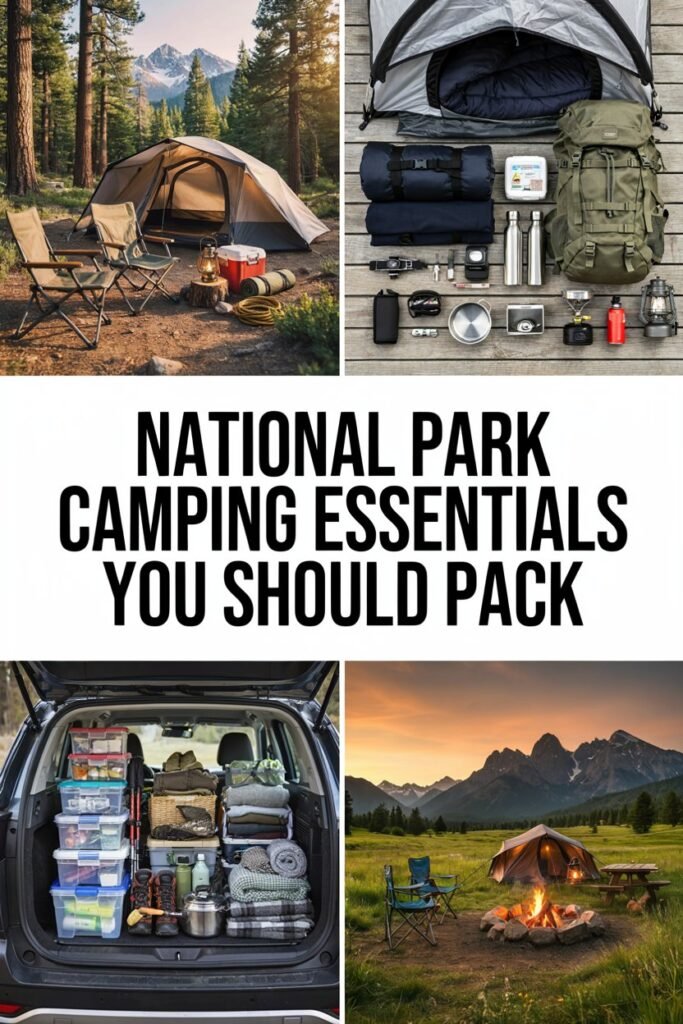
National park camping also requires a little more preparation than a quick weekend at a campground close to town. You may have limited cell service, changing weather, long distances between facilities, and fewer opportunities to run out for something you forgot.
I put together this national park camping checklist based on the things I actually find useful when preparing for outdoor trips. Some items are absolute essentials, while others are simple comforts that can make your campsite feel much easier to manage.
Disclaimer
This post may contain affiliate links. As an Amazon Associate, I earn from qualifying purchases at no additional cost to you. I only recommend camping gear that I genuinely find useful for national park trips. Weather, campsite conditions, fire restrictions, park rules, and road conditions can change, so always check current park information before your trip.
Amazon Shopping List You Need
- Coleman Sundome Camping Tent – I use a dependable tent to stay comfortable and protected while camping outdoors.
- TETON Sports Sleeping Bag – I always pack a warm sleeping bag for chilly nights at the campground.
- Therm-a-Rest Sleeping Pad – I use this for extra comfort and insulation when sleeping outdoors.
- Black Diamond Headlamp – I always keep one handy for setting up camp and walking around after dark.
- Jetboil Camping Cooking System – I love using this for quickly preparing hot drinks and simple meals.
- Hydro Flask Insulated Water Bottle – I always carry one for staying hydrated during hikes and long days in the park.
- Osprey Daylite Daypack – I use this for carrying water, snacks, layers, and other essentials on day hikes.
Before You Start Packing for National Park Camping
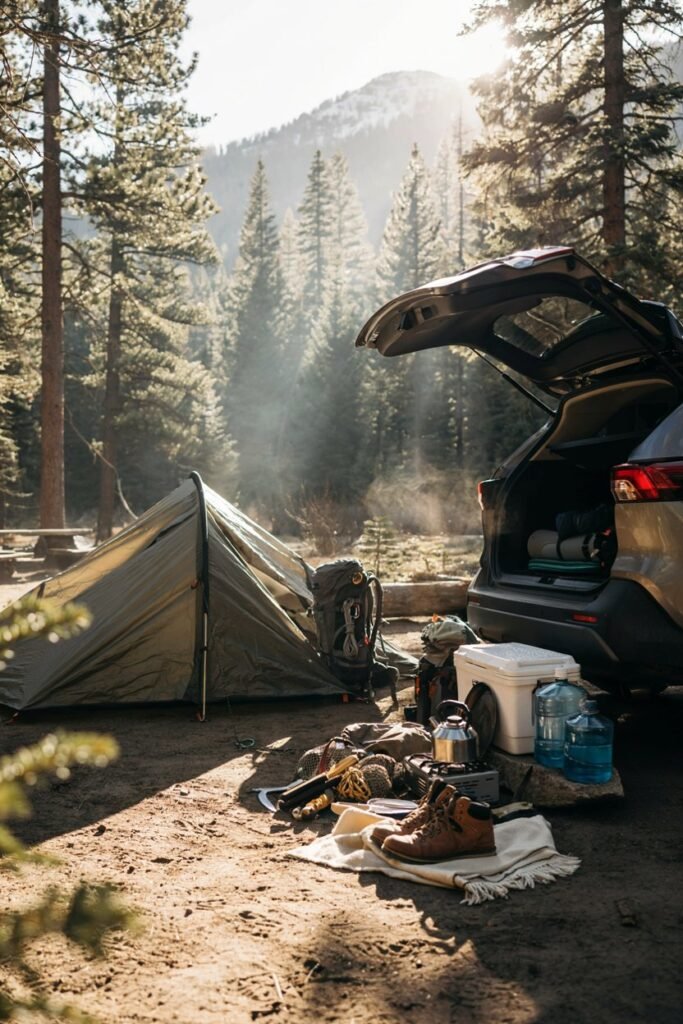
Before I start putting camping gear into the car, I like to think about the actual trip rather than simply working through a generic camping checklist. Where you are camping, how many nights you are staying, the weather, and the activities you have planned can all change what you need to bring.
A weekend at an established campground with picnic tables, restrooms, and nearby water will require a very different packing list from a more remote campsite with limited facilities.
I also check the campground information before deciding what to pack. I want to know whether drinking water is available, whether campfires are allowed, what food storage rules apply, and whether there are any current road or trail closures.
Weather is another thing I check before loading the car. I have learned that preparing for only the daytime temperature can leave you uncomfortable once the sun goes down.
Finally, I try to separate my essentials from my comfort items. The basics should always come first. Once those are packed, I can decide which extra items are actually worth the space they take up.
With that in mind, these are the national park camping essentials I recommend packing.
1. A Reliable Tent
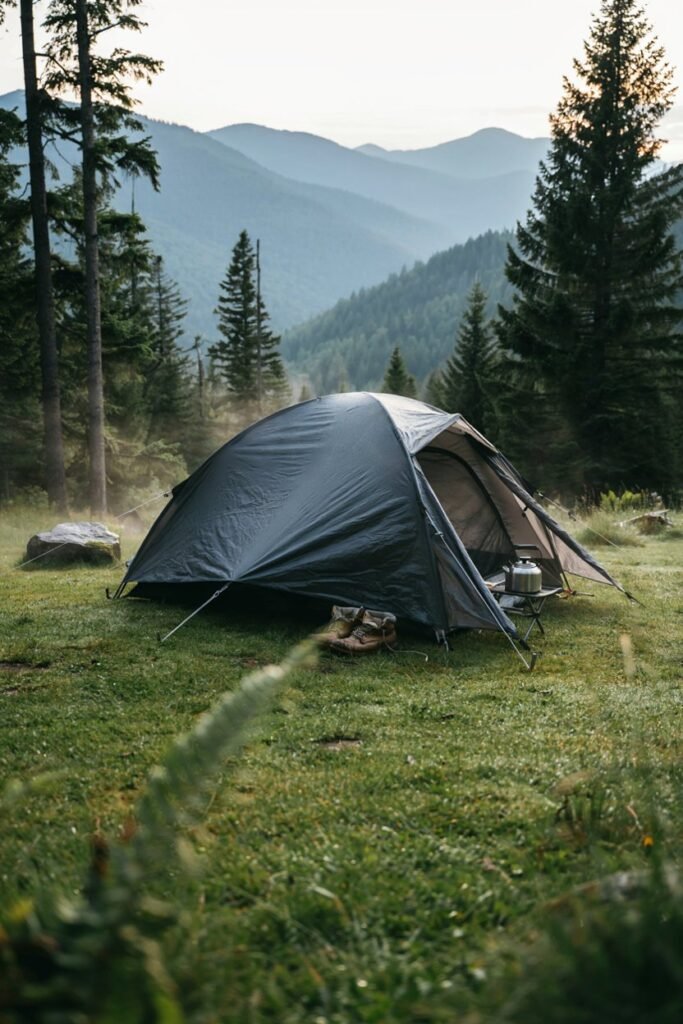
Your tent is one of the most important things you will pack, so I would never treat it as an afterthought. I prefer choosing a tent based on the weather and the number of people using it rather than simply buying the lightest option available.
For national park camping, I like having enough interior space to keep our sleeping bags, shoes, and a few small belongings organized. A tent that feels cramped can become frustrating when you are spending several nights in the same campsite.
Before leaving home, I always check the tent, poles, rainfly, stakes, and guy lines. It is much better to discover a missing pole or damaged zipper at home than after arriving at camp.
If rain is possible, make sure the rainfly is properly fitted and that the tent is suitable for the conditions you expect. I also recommend practicing setup at home if the tent is unfamiliar.
2. Sleeping Bag or Warm Bedding
A good sleeping bag can make the difference between getting a proper night’s sleep and spending the night wishing you had brought another blanket.
I pay close attention to the expected nighttime temperature when deciding what bedding to bring. Temperatures can feel very different after the sun goes down, especially when you are camping at higher elevations.
For warmer trips, a lightweight sleeping bag may be enough. For colder weather, I prefer having an insulated sleeping bag and an extra blanket available rather than trying to make one thin layer work.
I also keep my sleeping bag dry and protected while packing. Moisture can quickly turn comfortable bedding into something much less useful.
If you are camping with children, bring extra blankets and warm sleepwear. Kids can become uncomfortable much faster when temperatures drop at night.
3. A Comfortable Sleeping Pad
A sleeping bag keeps you warm, but your sleeping pad is just as important for comfort.
I used to think of a sleeping pad as something optional, but sleeping directly on the tent floor can make a camping trip much harder on your back and shoulders. The ground can also feel surprisingly cold during the night.
A sleeping pad gives you cushioning while also creating insulation between your body and the ground. When choosing one, consider its thickness, insulation, packed size, and how easy it is to inflate.
For car camping, I usually prefer comfort over having the smallest possible sleeping pad. Since I do not have to carry everything deep into the backcountry, there is little reason to sacrifice a good night’s sleep just to save a little space.
4. Extra Clothing and Layers
I never pack clothing based only on the daytime forecast. National park weather can change quickly, and evenings can feel much colder than expected.
Instead of bringing one heavy outfit, I find it more useful to pack several layers. A comfortable base layer, warm sweater or fleece, waterproof jacket, hiking pants, extra socks, and a warm hat can cover many different conditions.
Extra socks are especially worth packing. There is something about damp socks at a campsite that can make an otherwise comfortable day miserable. I always keep at least one dry pair somewhere protected from rain and moisture.
I also recommend bringing comfortable clothes for relaxing around camp. Hiking clothes are useful during the day, but changing into something dry and comfortable can make the evening much more enjoyable.
If rain is expected, keep your waterproof layer easy to reach instead of burying it at the bottom of your bag.
5. Sturdy Hiking Shoes
Your footwear deserves more attention than it usually gets on a camping checklist.
National parks can have rocky trails, uneven ground, muddy sections, steep climbs, and loose gravel. The right shoes can make walking around the campsite and exploring nearby trails much easier.
I prefer comfortable shoes that I have already worn and know will not cause problems. I would never make a long national park trip the occasion to test completely new hiking shoes.
Look for good traction, comfortable support, and footwear appropriate for the terrain you expect to encounter. If rain is possible, consider how well the shoes handle wet conditions.
I also like bringing a second pair of comfortable shoes or sandals for the campsite. After spending hours walking or hiking, being able to change into something comfortable feels like a small luxury.
6. Headlamp and Reliable Lighting
A flashlight is useful, but I strongly prefer a headlamp for camping because it keeps both hands free.
You may need to walk to the bathroom after dark, prepare dinner, organize something inside the tent, or find an item in the car. Having both hands available makes these simple tasks much easier.
I keep a headlamp somewhere that I can reach quickly rather than leaving it buried inside my camping bag. I also pack spare batteries or make sure rechargeable lights are fully charged before leaving home.
A lantern can be useful around the campsite as well. It gives you a wider area of light when cooking, eating, or organizing your things after sunset.
Do not depend entirely on your phone flashlight. Your phone battery is much more valuable when you are camping somewhere with limited access to electricity or unreliable cell service.
7. Plenty of Drinking Water
Water is one of the things I would rather have too much of than too little.
Before a national park camping trip, check whether drinking water is available at your specific campground. Do not assume every campsite will have an easy source of potable water nearby.
I usually think about water in separate categories. There is the water we need for drinking, water for cooking, and water for basic cleaning. Having enough stored in the vehicle makes the whole trip easier.
Reusable water bottles are convenient during the day, while a larger water container can be useful at the campsite. If you will be hiking, a hydration bladder can also make it easier to drink regularly without stopping.
For more remote trips, a suitable water filtration or purification method can be an important backup. Always check the park’s current guidance before relying on a natural water source.
8. A Simple Camping Kitchen
You do not need to bring your entire kitchen to make good meals at a campsite.
I have found that a simple setup is usually easier to organize and clean. Depending on the campground rules and the type of trip, this can include a camping stove, appropriate fuel, lighter, pot or pan, cooking utensils, plates, bowls, cups, and a small cooler.
I also like packing meals that do not require complicated preparation. After a long drive or several hours on a trail, I would rather make something simple than spend an hour washing dishes and preparing ingredients.
Easy options include oatmeal, eggs, sandwiches, wraps, pasta, chili, rice dishes, fruit, trail mix, and other foods that can be prepared with minimal equipment.
Pack your kitchen according to what you will actually cook. Bringing fewer items makes the campsite easier to organize and gives you less to clean.
9. Food Storage Supplies
Food storage deserves special attention when camping in a national park.
The rules can vary depending on the park and the wildlife in the area, so always check the specific requirements before your trip. Some locations may require particular food storage methods.
I keep food, trash, toiletries, and other scented items organized rather than leaving them scattered around the campsite. This makes the campsite easier to manage and helps prevent accidentally leaving something outside overnight.
Use secure containers when appropriate and follow all park instructions regarding wildlife and food storage. Never feed wildlife, even if an animal appears harmless.
A few extra trash bags are also worth packing. Keeping waste contained makes cleanup easier and helps you leave the campsite in good condition.
10. First Aid Kit
A small first aid kit belongs in every camping setup.
You do not need to bring a full medical cabinet, but I like having supplies for minor problems such as small cuts, blisters, scrapes, headaches, and other everyday issues.
My basic kit includes adhesive bandages, gauze, antiseptic supplies, blister care, pain relief medication, tweezers, and any personal medications that are needed.
I also keep the first aid kit somewhere easy to reach. There is no benefit to having something useful if you have to unpack half the car to find it.
Before leaving, check the contents and replace anything that has been used or expired. For longer trips or more remote areas, consider whether you need additional emergency supplies based on the activities and location.
11. Navigation and Offline Maps
I never like relying completely on cell service when exploring unfamiliar outdoor areas.
Download maps before leaving home and keep important campground and trail information available offline. A physical park map can also be useful, particularly when traveling through areas where your phone may have no signal.
If you are planning longer or more remote hikes, consider bringing a compass and learning how to use it rather than carrying one simply as an emergency item.
I also save important information before leaving, including campground details, reservation information, trail information, and directions to the next destination.
A little preparation before losing cell service can save a lot of frustration later.
12. Portable Power Bank
Your phone can be useful for navigation, photos, reservations, weather updates, emergency communication, and other important tasks, so I try not to let the battery run completely flat.
A portable power bank is an easy backup, especially when you are staying somewhere without convenient electrical outlets.
Charge the power bank before leaving and bring the appropriate charging cables for your devices. If you are traveling with family, consider how many devices may need charging during the trip.
I also try not to spend the entire camping trip on my phone. Having enough backup power is mainly about keeping important functions available when you actually need them.
13. Rain Jacket and Weather Protection
One thing I have learned from camping is that the weather does not always follow the forecast perfectly. A sunny morning can turn into a cool, rainy afternoon, and being prepared makes those changes much easier to handle.
A lightweight waterproof jacket is one of the easiest things to keep in your camping bag. It does not take up much space, but it can be extremely useful when rain or wind arrives unexpectedly.
I also recommend having a waterproof cover or dry bags for things that need to stay dry. Your phone, maps, extra clothing, sleeping gear, and important documents should not be left exposed if rain starts coming down.
For longer trips, I like to think about where everything will go if the campsite becomes wet. Having a simple plan for keeping dry items separate from wet clothing saves a lot of frustration.
Do not forget about your shoes either. If you expect wet conditions, bring footwear that can handle the terrain and an extra pair of socks so you are not stuck wearing damp ones.
14. Sun Protection
Camping often means spending much more time outside than you normally would, so sun protection should be part of your everyday camping routine.
I always keep sunscreen somewhere easy to reach rather than packing it underneath everything else. It is especially important when hiking, sitting around the campsite, or spending several hours exploring.
A wide brimmed hat and sunglasses are also useful, particularly during long hikes or when there is little shade.
I prefer bringing sunscreen that is comfortable enough to reapply throughout the day. There is not much benefit to carrying it if you avoid using it because you do not like how it feels.
Remember to protect areas that are easy to overlook, including your ears, neck, hands, and the tops of your feet if you are wearing open footwear.
15. Comfortable Camp Chairs
A camping chair is not essential for surviving a camping trip, but it can make the campsite much more comfortable.
After hiking or driving for several hours, I like having somewhere comfortable to sit while preparing dinner, drinking coffee, reading, or simply relaxing outside the tent.
For car camping, I would rather bring a sturdy and comfortable chair than choose one simply because it folds into the smallest possible size. You have more room in the vehicle, so there is no reason to make every comfort item unnecessarily tiny.
If you are camping with family, remember to count the number of people who will need a seat. It is surprisingly easy to pack one or two chairs and assume everyone will figure out the rest.
A small folding table can also be useful for cooking and organizing food, although it is not necessary if the campground already provides a picnic table.
16. Camp Towel and Personal Hygiene Supplies
Staying clean while camping does not need to be complicated, but having the right basics makes the experience much more comfortable.
I pack a small toiletry bag with a toothbrush, toothpaste, deodorant, soap, hair supplies, sunscreen, lip balm, and any personal care products I need.
A quick drying towel is another item I find useful. It takes up less space than a regular bath towel and can be used for washing, drying your hands, or dealing with unexpected moisture.
I also bring hand sanitizer and wet wipes for situations where running water is not immediately available.
Before packing, check what facilities your campground actually provides. Some campgrounds have restrooms and running water, while others may have more limited facilities.
This is one of those areas where checking the specific campground beforehand can prevent you from either overpacking or arriving without something important.
17. Toilet Paper and Bathroom Supplies
Toilet paper is one of those simple things that can be easy to overlook when you are focused on tents, food, and hiking equipment.
Even when a campground has restrooms, I prefer having a small personal supply packed away in a waterproof bag. You never know when supplies may run low or when you may need to use a different facility.
For camping in areas without regular restroom facilities, make sure you understand the park’s current rules before your trip. Some locations have specific requirements for waste disposal and personal hygiene.
I do not recommend assuming that the same rules apply everywhere. National parks can have very different environments, facilities, and regulations.
A small zippered bag for keeping bathroom supplies together also makes everything easier to find.
18. Extra Batteries and Backup Lighting
I always consider lighting twice when preparing for a camping trip.
The first light should be the one you use every day around the campsite. The second should be your backup in case the main light stops working.
A headlamp, lantern, or flashlight can become particularly important if you arrive at the campsite later than planned. Setting up a tent in complete darkness is much harder than doing it during daylight.
Keep spare batteries in a dry place if your lights use them. If you use rechargeable lights, charge them fully before leaving and consider bringing a power bank that can recharge them.
This is a small preparation step, but it can make a big difference when the sun goes down.
19. Emergency Blanket and Whistle
These are small items that take up almost no space, which is exactly why I think they are worth carrying.
An emergency blanket can provide additional warmth in an unexpected situation, while a whistle can help attract attention if someone becomes separated from the group or needs assistance.
I keep small emergency items together instead of scattering them throughout different bags. That way, I know where to look when something unexpected happens.
These items are not meant to replace proper preparation. They are simply inexpensive backups that can be useful when plans do not go exactly as expected.
20. Multi Tool and Basic Repair Supplies
A small multi tool can be surprisingly useful around a campsite.
You may need to tighten something, cut cord, open packaging, make a small adjustment, or handle an unexpected repair. I would rather have a compact tool available than discover that I need one after everything is already packed.
I also like carrying a small amount of strong tape and extra cord. These can be useful for temporary repairs involving camping equipment.
You do not need to bring a large toolbox. The goal is simply to have a few basic items that can solve small problems without taking up much room.
For car camping, you can keep additional tools in the vehicle rather than carrying them to the campsite.
21. Trash Bags
Trash bags are one of the simplest camping essentials, but I never like running out of them.
I usually bring more than I think I will need because they can be used for food waste, packaging, wet clothing, dirty shoes, and keeping the vehicle organized.
I like separating campsite trash from other belongings rather than allowing wrappers and food packaging to accumulate around the picnic table.
Always follow the park’s waste disposal rules and use the appropriate facilities when they are available.
One of the most important parts of camping is leaving the campsite clean. Pack out what you bring in and avoid leaving food scraps behind.
22. Insect Protection
Depending on the season and location, insects can quickly become one of the most annoying parts of camping.
I consider insect protection before leaving home rather than waiting until I am already at the campsite.
Pack insect repellent that works for your needs and consider wearing lightweight clothing that provides additional coverage when appropriate.
A small amount of preparation can make evenings outside much more enjoyable, especially when you are sitting around camp after sunset.
If you are camping with children, make sure any insect protection products you use are appropriate for them and follow the product directions carefully.
23. Hiking Daypack
If you plan to explore trails during your national park trip, bring a comfortable daypack rather than trying to carry everything in your hands or pockets.
I like a daypack with enough room for water, snacks, an extra layer, sunscreen, a map, a small first aid kit, and other essentials without becoming unnecessarily bulky.
The right size depends on the length of your hikes. For a short trail close to camp, you may only need a small pack. Longer hikes require more room for water, food, clothing, and emergency supplies.
Before heading out, I check the weather and trail conditions and adjust what goes into the pack accordingly.
A comfortable backpack can make a noticeable difference on a long trail, especially when you are carrying water and extra layers.
24. Trail Snacks
Food is not only important at the campsite. I also make sure there are easy snacks available for hiking days.
I prefer foods that are easy to carry and do not require preparation. Trail mix, nuts, dried fruit, granola bars, crackers, jerky, and other portable snacks can work well.
I usually pack a little more than I expect to eat, especially for longer hikes. You may end up spending more time on the trail than planned, or simply become hungrier after several hours of walking.
Keep snacks properly stored and follow the park’s wildlife and food storage rules.
One of my favorite camping habits is preparing hiking snacks before leaving the campsite. It saves time in the morning and means we can start exploring without searching through several bags.
25. Hiking Water and Electrolytes
Carrying enough water is especially important when you are hiking away from the campground.
I never like assuming that a trail will have a reliable water source. If water is available naturally, it may still require treatment, and conditions can change.
A reusable bottle or hydration bladder makes it easier to carry enough water without constantly stopping.
For longer hikes or hot weather, electrolyte products can also be useful for replacing fluids and minerals lost through sweating. They should complement regular hydration rather than replace drinking enough water.
The amount you need depends on the weather, trail length, elevation, and your own needs, so plan ahead instead of guessing once you are already on the trail.
26. Physical Park Map
Even if you have a smartphone with offline maps, I still like having a physical map available.
Phones are incredibly useful, but batteries can die, devices can malfunction, and digital maps do not always provide the information you need.
A physical map gives you another way to understand the area and can be especially useful when traveling through places with limited service.
Keep it somewhere protected from rain and make sure you know how to read the basic information before heading out.
I also recommend saving important locations before starting your trip, including your campground, nearby roads, trailheads, visitor centers, and other useful facilities.
27. Power Bank and Charging Cables
A power bank becomes particularly useful when you are camping without reliable access to electricity.
I make sure mine is charged before leaving and pack the cables needed for the devices I am taking.
Your phone may be used for navigation, photographs, reservations, weather information, communication, and emergencies, so I do not like depending entirely on the vehicle’s charging system.
If you are traveling with several people, think about how many devices will need charging and whether one power bank will realistically be enough.
I also recommend keeping charging cables organized in one small pouch. It saves time when you need them and prevents them from disappearing into different bags.
28. Car Emergency Supplies
For national park camping, your car can be more than transportation. It can also serve as an important backup during the trip.
I like keeping basic emergency supplies in the vehicle, including jumper cables, a tire pressure gauge, a flashlight, a spare tire if the vehicle is equipped with one, and basic tools.
Extra drinking water and a few emergency food items can also be helpful when traveling through areas where services are far apart.
Before leaving home, check your tire pressure, fuel level, oil, and other basic vehicle requirements.
It is easy to focus so much on the campsite that the vehicle gets forgotten. A few minutes of preparation before a long drive can prevent a minor car problem from becoming a much bigger problem in a remote area.
29. Campground Reservation Information
I always keep my campground information easy to access.
Save the reservation details on your phone, but consider keeping a screenshot or printed copy as a backup. You may need the campground name, reservation number, campsite number, check in information, or other details when you arrive.
I also recommend checking the campground rules before leaving home. Some locations have restrictions on fires, generators, pets, food storage, quiet hours, or the number of people allowed at a site.
These details can vary considerably, so do not assume that a campground will operate exactly like one you visited previously.
Knowing the rules ahead of time makes arrival much smoother and helps you avoid unnecessary problems.
30. A Small Organization System
One of the best things I have done for camping is to stop throwing everything into one large bag.
I prefer separating equipment into simple categories. Cooking supplies go together, sleeping equipment stays together, personal items have their own bag, and emergency supplies are kept somewhere easy to reach.
This becomes especially helpful when camping for several nights.
I do not want to unpack the entire vehicle just to find a spoon, flashlight, or clean pair of socks. Keeping similar items together means I can find what I need without turning the campsite upside down.
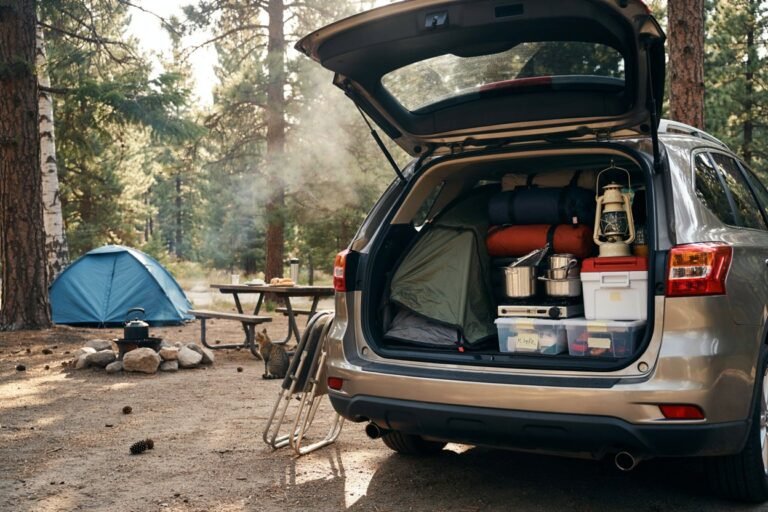
Clear storage containers or labeled bags can be useful for car camping because you can see what is inside without opening everything.
The goal is not to make camping overly organized or complicated. It is simply to make the things you use most often easy to find.
31. A Few Comfort Items
There are certain things that are not technically essential but make camping much more enjoyable for me.
A comfortable chair, a warm blanket, a good book, coffee supplies, a small camp table, or a simple game can make the campsite feel more inviting after a long day outside.
I have also found that comfort items are especially useful when camping with family. Not everyone wants to spend every moment hiking, so having something relaxing to do around camp gives everyone a chance to slow down.
The key is knowing when to stop packing.
Camping becomes less enjoyable when the vehicle is packed so tightly that you cannot find anything. I would rather bring a few useful comfort items than fill every available space with things that may never leave the car.
32. Binoculars and a Small Camera
National parks are wonderful places to slow down and pay attention to what is around you.
Binoculars can be useful for watching birds and observing wildlife from a safe distance. A camera can also help you capture moments without constantly relying on your phone.
I particularly like having binoculars available around the campsite because wildlife may appear when you least expect it.
The important thing is to observe animals responsibly. Keep your distance, never approach wildlife for a photograph, and follow the park’s wildlife guidance.
Some of the best camping memories do not involve a major hike or complicated activity. Sometimes it is simply sitting outside in the morning and watching the landscape wake up.
33. Extra Food for Unexpected Delays
I like having a small amount of additional food available in case plans change.
A road may take longer than expected, a trail may take more time, or bad weather may keep you at the campsite longer than planned.
Extra food does not need to mean bringing another full meal. A few shelf stable snacks can provide a useful backup without taking much space.
I also keep emergency food separate from the food we plan to eat during the trip. That way, I know exactly what is available if something unexpected happens.
Again, make sure any food is stored according to the requirements of the park you are visiting.
34. Extra Water for the Car
Even when I have enough water for the campsite, I like keeping additional drinking water in the vehicle when practical.
Long drives through national park areas can take you farther from stores and services than expected. Having extra water gives you another layer of preparation if your plans change.
This is especially useful during hot weather or when traveling with children.
Keep water secured so containers do not move around while driving, and rotate stored water when necessary rather than leaving it forgotten in the vehicle for long periods.
35. A Simple Pre Trip Check
Packing is only one part of preparing for national park camping.
Before leaving, I like doing a quick check of the things that could affect the entire trip.
I check the weather, campground reservation, park alerts, road conditions, water availability, fire restrictions, food storage requirements, and any permits that may be needed.
I also make sure maps are downloaded, phones and power banks are charged, the car is ready for the drive, and everyone knows where important supplies are stored.
This small routine takes very little time but gives me much more confidence before starting a trip.
The more remote the destination, the more important this preparation becomes.
A few minutes spent checking details at home can save hours of frustration once you are several miles from the nearest store or service station.
36. Things Campers Often Forget
Some of the most frustrating camping problems come from small items that do not seem important when you are packing at home.
I have found that people usually remember the obvious things such as the tent, sleeping bags, and food, but smaller essentials can easily be forgotten.
A few things I recommend checking before leaving include extra socks, a headlamp, toilet paper, charging cables, sunscreen, insect repellent, trash bags, a first aid kit, and enough drinking water.
I also like checking the simple kitchen items. It is easy to pack the food and forget the lighter, cooking utensils, cups, or something to clean the dishes.
Another item people often overlook is an extra layer for nighttime. Even when the daytime weather is warm, sitting outside after sunset can feel completely different.
Before loading the car, I like going through the trip from beginning to end in my head. Think about arriving, setting up camp, cooking dinner, sleeping, getting ready the next morning, hiking, and packing up. This usually helps reveal something that would otherwise be forgotten.
37. What You Do Not Need to Pack
One of the biggest mistakes I see with camping is trying to bring everything.
It is tempting to buy several camping gadgets because they look useful, but many of them end up staying inside the car throughout the entire trip.
I prefer asking myself one simple question before packing something: Will I realistically use this?
You probably do not need multiple cooking pans if you are only preparing simple meals. You may not need a large collection of camping lights if you have a reliable headlamp and lantern. You may also be able to leave bulky furniture at home if the campground already provides a picnic table.
Packing less can make the trip easier. You have fewer things to organize, fewer items to clean, and less equipment to worry about when it is time to leave.
The goal is not to own every piece of camping gear. It is to have the equipment that makes your particular trip safer and more comfortable.
38. How I Organize the Car
When I am preparing for a camping trip, I try to organize the car according to when I will need things.
Items needed immediately at the campsite should be easy to reach. That includes the tent, sleeping equipment, lighting, and basic cooking supplies.
Things that I may not need until later can go deeper into the vehicle.
I also keep emergency supplies somewhere accessible rather than placing them underneath several bags.
A small cooler should be easy to reach during the drive, especially when you have drinks and snacks that you want without unpacking the entire vehicle.
I like keeping personal bags separate from camping equipment as well. This prevents clothes and toiletries from getting mixed up with cooking supplies or dirty outdoor gear.
A little organization before leaving home can make arrival much more relaxing. When you reach camp after a long drive, the last thing you want is to empty the entire vehicle just to find the tent.
39. Packing for a Two Night Camping Trip
You do not need the same amount of equipment for every camping trip.
For a two night stay, I keep things relatively simple.
I would focus on:
- Tent and sleeping equipment
- Clothing layers
- Hiking shoes
- Food and snacks
- Drinking water
- Basic cooking equipment
- Headlamp
- First aid kit
- Navigation supplies
- Personal hygiene items
- Weather protection
- Camping chairs
- Power bank
- Trash bags
For a short trip, I avoid bringing too many comfort items. There is usually little reason to pack a large amount of equipment when you will only be at the campsite for a couple of nights.
Planning meals ahead also helps. If I know exactly what we are eating each day, I can avoid bringing excessive food and unnecessary cooking supplies.
40. Packing for a Longer Camping Trip
Longer trips require more planning because you have to think about food, water, clothing, hygiene, and waste for additional days.
I like breaking the trip into categories rather than simply adding more of everything.
For food, plan meals before leaving and choose ingredients that can be stored safely and prepared without complicated equipment.
For clothing, pack enough changes for the expected conditions but remember that layers are often more useful than bringing completely different outfits.
For longer trips, I also pay more attention to laundry possibilities, water access, battery charging, trash disposal, and food storage.
The longer you stay, the more important organization becomes.
A messy car may not bother you much during a short weekend, but after several days it can become difficult to find anything.
41. National Park Camping With Kids
Camping with children requires a little extra preparation, especially when it comes to clothing, food, comfort, and entertainment.
I like bringing extra clothes because children can get dirty or wet much faster than adults. Extra socks and an additional warm layer are particularly useful.
Easy snacks are also important. I prefer having several options available rather than depending on one type of food.
For evenings around the campsite, bring a few simple activities that do not require electronics. Books, cards, small games, drawing supplies, or nature journals can give children something to do while everyone relaxes.
I also make sure children understand basic campsite safety. They should know where the tent is, where the adults will be, and why they should never approach wildlife.
National park camping can be a wonderful family experience, but children often enjoy it more when they are comfortable and have realistic expectations about the amount of walking and outdoor time involved.
42. National Park Camping in Cold Weather
Cold weather camping requires more attention to clothing and sleeping equipment.
I focus on layers rather than relying on one extremely heavy piece of clothing. A warm base layer, insulating layer, and weather resistant outer layer give you more flexibility as conditions change.
Your sleeping system is equally important. A suitable sleeping bag and insulated sleeping pad can make a major difference during cold nights.
I also like having a warm hat, gloves, extra socks, and dry clothing reserved specifically for sleeping.
Before a cold weather trip, check the forecast carefully and understand the expected overnight temperatures rather than focusing only on daytime conditions.
Cold weather also affects batteries and vehicle performance, so it is worth thinking about your power banks, electronics, and car before leaving.
If conditions are expected to be severe, consider whether the trip is appropriate for your experience level and equipment.
43. National Park Camping in Warm Weather
Warm weather camping creates a different set of challenges.
Water becomes even more important, especially if you are hiking during the hottest part of the day.
I like starting outdoor activities earlier when temperatures are expected to rise. It can be much more comfortable to hike in the morning and return to camp before the hottest part of the afternoon.
Lightweight clothing, sunscreen, sunglasses, a hat, and insect protection are useful during warmer trips.
Food also needs careful handling. Keep perishable items properly cooled and follow the park’s food storage requirements.
At night, ventilation can make the tent much more comfortable. If your tent allows it, use the appropriate ventilation features while still protecting yourself from insects and weather.
44. Check the Park Rules Before Packing
One of the most important pieces of advice I can give is to check the rules for the specific national park and campground you are visiting.
Camping regulations are not identical everywhere.
The rules may cover food storage, fires, firewood, pets, generators, wildlife, waste disposal, permits, parking, and quiet hours.
I do this before packing because the rules can actually change what I need to bring.
For example, a park may have specific requirements for storing food or restrictions on collecting natural materials for a campfire.
Do not rely only on advice from an old camping article or something a friend did at another park. Check the current information provided by the park before your trip.
That small step can help you avoid unnecessary problems and protect the environment you came to enjoy.
45. Check the Weather More Than Once
I like checking the weather before packing, but I also check it again shortly before leaving.
Weather can influence almost every part of a camping trip. It can determine what clothing you need, which activities are practical, how you organize the tent, and whether certain roads or trails may become difficult.
If rain is expected, make sure waterproof gear is easy to reach.
If temperatures are dropping, add warmer layers.
If strong heat is expected, make water and sun protection a bigger priority.
I also pay attention to wind because it can make otherwise comfortable temperatures feel much colder and can affect how you set up your campsite.
A weather forecast is useful, but it should be treated as part of your preparation rather than a guarantee.
46. Prepare for Limited Cell Service
This is something I think about before visiting any remote outdoor area.
Your phone may work perfectly during the drive and then suddenly have little or no service once you enter the park.
That is why I prefer downloading maps, saving reservations, taking screenshots of important information, and keeping a physical map available.
I also let someone outside the trip know where we are going when heading into a more remote area.
You do not need to be overly worried about losing cell service. You simply need to avoid making it your only source of information.
A little preparation gives you alternatives if your phone cannot connect.
47. Keep Wildlife Wild
One of the most important responsibilities when camping in a national park is respecting wildlife.
Seeing animals in their natural environment can be one of the most memorable parts of the trip, but that does not mean getting close to them.
Never feed wildlife or leave food and scented items unsecured.
I also avoid approaching animals for photographs. A camera is never worth creating a dangerous situation for yourself, your family, or the animal.
Follow the park’s guidance about safe distances and food storage, and teach children the same rules.
The best wildlife encounter is one where you can watch from a safe distance and leave without disturbing the animal.
48. Leave the Campsite Clean
When it is time to leave, I like doing one final walk around the campsite before getting into the car.
Look underneath the picnic table, around the tent area, near the fire ring, and anywhere food or packaging may have been used.
Check for small items such as tent stakes, wrappers, bottle caps, charging cables, and pieces of trash.
I also make sure food and waste are properly handled according to the park’s rules.
Leaving a clean campsite is not just about avoiding a fine. It is part of being considerate to the next camper and helping protect the natural environment.
I find that taking five extra minutes at the end of the trip is usually enough to catch the things that would otherwise be left behind.
49. My Simple National Park Camping Checklist
If you want to keep the entire packing process simple, this is the basic checklist I would work through before leaving home.
Shelter and Sleeping
- Tent
- Tent footprint
- Sleeping bag
- Sleeping pad
- Pillow
- Extra blanket
- Tent stakes
- Rainfly
Clothing
- Hiking shoes
- Comfortable camp shoes
- Hiking clothes
- Base layers
- Warm layer
- Rain jacket
- Extra socks
- Hat
- Gloves when appropriate
Food and Cooking
- Food
- Snacks
- Drinking water
- Water containers
- Cooler
- Camping stove
- Fuel
- Lighter
- Pot or pan
- Cooking utensils
- Plates
- Bowls
- Cups
- Trash bags
Hiking
- Daypack
- Water
- Snacks
- Map
- Offline maps
- Compass
- Headlamp
- Sunscreen
- Sunglasses
- Hat
- First aid supplies
Safety
- First aid kit
- Emergency blanket
- Whistle
- Flashlight
- Extra batteries
- Power bank
- Basic repair supplies
- Personal medications
Personal Care
- Toothbrush
- Toothpaste
- Soap
- Deodorant
- Towel
- Toilet paper
- Hand sanitizer
- Wet wipes
- Insect repellent
- Sunscreen
Campsite Comfort
- Camping chairs
- Lantern
- Small table if needed
- Blanket
- Book
- Simple games
- Coffee supplies
Car
- Jumper cables
- Spare tire
- Tire pressure gauge
- Basic tools
- Car charger
- Extra water
- Emergency food
- Flashlight
50. My Best Tip for Packing for National Park Camping
If I had to simplify this entire list into one piece of advice, I would say to pack for the conditions rather than packing for an imaginary perfect camping trip.
Think about where you are going, how long you will stay, what the weather may do, how far you will be from services, what activities you plan to enjoy, and what the campground actually provides.
You do not need to bring every camping product available. You need reliable basics that you know how to use.
I also recommend doing a trial setup before an important trip. Put the tent up, check your sleeping equipment, test the stove, charge your lights, organize the cooking supplies, and make sure you know where everything is.
That little bit of preparation can make the actual trip feel much easier.
Frequently Asked Questions About National Park Camping Essentials
What should I pack for camping in a national park?
Start with the basics: a suitable tent, sleeping bag, sleeping pad, appropriate clothing, sturdy shoes, food, drinking water, cooking supplies, lighting, first aid supplies, navigation tools, and personal hygiene items. After packing the essentials, add comfort items based on the length of your trip and the facilities available at your campground.
How much water should I bring camping?
The amount of water you need depends on the weather, number of people, activities, and whether your campground has a reliable source of potable water. I always check the specific campground information before leaving and bring enough drinking water for the trip, with additional water available when practical.
Do I need a first aid kit for national park camping?
Yes. Even for a short camping trip, I recommend carrying a basic first aid kit. Small cuts, blisters, scrapes, headaches, and other minor problems can happen easily while hiking or setting up camp. For longer or more remote trips, your emergency supplies may need to be more comprehensive.
What should I bring for changing weather?
Pack layers rather than relying on one heavy item. Extra socks, a warm layer, a waterproof jacket, comfortable hiking clothes, and suitable footwear can help you adjust when temperatures or conditions change. I also recommend checking the weather shortly before leaving because conditions can change quickly.
Do I need a camping stove?
Not necessarily. Your cooking setup depends on the meals you plan to prepare and the facilities available at your campground. A camping stove can be convenient, but you should always check the current park rules regarding cooking equipment, fires, and fuel before your trip.
How should I store food while camping in a national park?
Follow the specific food storage requirements for the national park and campground you are visiting. Keep food, trash, and scented items secured according to local rules, and never feed wildlife. Some parks may have additional requirements because of bears or other wildlife.
Should I bring a physical map if I have GPS on my phone?
I recommend having one as a backup. Download offline maps before leaving because cell service can be limited in some national park areas. A physical map can also be useful if your phone battery dies or your device stops working.
What should I pack for a two night national park camping trip?
For a short trip, focus on the essentials rather than bringing excessive equipment. You will generally need shelter, sleeping gear, clothing layers, food, water, cooking supplies, lighting, hiking supplies, first aid items, personal care products, and basic emergency equipment. Plan your meals before leaving so you do not pack unnecessary food or cooking equipment.
What should I pack for national park camping with kids?
Bring extra clothing, warm layers, comfortable shoes, easy snacks, plenty of water, personal care supplies, and simple activities for the campsite. I also recommend having extra socks and clothing available because children can get wet or dirty quickly. Teach kids basic campsite and wildlife safety before the trip.
What camping items do beginners often forget?
Some of the most commonly forgotten items are extra socks, toilet paper, headlamps, charging cables, sunscreen, insect repellent, trash bags, cooking utensils, lighters, and enough drinking water. I like doing a final checklist based on the entire trip, from arriving at the campground to packing up to go home.
Do I need to bring camping chairs?
Camping chairs are optional, but I find them worthwhile for car camping. They give you a comfortable place to sit while eating, drinking coffee, reading, or relaxing after a hike. If your campground already provides suitable seating, however, you may decide they are not worth the extra space.
What should I check before leaving for a national park camping trip?
Check your campground reservation, weather forecast, park alerts, road conditions, water availability, fire restrictions, food storage requirements, permits, and current campground rules. I also download maps, charge my devices and power banks, check the vehicle, and make sure important emergency supplies are easy to reach.
Final Thoughts
A good national park camping trip is not necessarily the one where you bring the most equipment. For me, it is the one where the important things are prepared, easy to find, and suited to the conditions.
A reliable shelter, comfortable sleeping setup, enough food and water, suitable clothing, dependable lighting, navigation supplies, and basic emergency gear should always come before optional camping gadgets.
I also think it is worth leaving some room in your packing plan for the unexpected. Weather can change, hikes can take longer than expected, and plans sometimes need to be adjusted once you arrive.
Before heading out, check the current park information, campground rules, weather, road conditions, and any food storage requirements. Then pack according to the actual trip rather than simply following a generic camping list.
Once the practical details are handled, you can spend less time worrying about what you forgot and more time enjoying the trails, scenery, quiet mornings, and evenings around the campsite.
That is what I want from national park camping. I want the gear to support the experience rather than become the experience itself.