
I used to walk into my living room after a long day and feel… tense.
Not because there was dirt or anything obviously messy, but because my space never felt calm.
Counters were wiped, floors were vacuumed, and the couch was straightened, yet somehow the room still felt chaotic.
At first, I blamed the big things — the furniture wasn’t new, the decor felt mismatched, my shelves were overcrowded.
But over time, I realized the problem wasn’t the big stuff.
It was the little things — the everyday items that quietly pile up and make your home feel cluttered without you even noticing.
Mail scattered on the kitchen counter. Random shoes left by the door. A stack of magazines you haven’t touched in months.
Chargers, keys, and loose papers that seem harmless on their own, but together create visual noise.

These small items don’t just make your home look messy — they steal your sense of calm and make every space feel heavier than it is.
Once I started noticing them, I realized that decluttering isn’t just about deep cleaning or major renovations.
It’s about identifying these sneaky clutter culprits, understanding why they accumulate, and creating simple, repeatable habits to keep them under control.
In this post, I’m sharing the 10 everyday items that secretly make your home look cluttered — and practical, realistic ways to deal with each one. No expensive decor.
No overwhelming projects. Just smart, intentional strategies to reclaim your space and make your home feel peaceful, organized, and truly welcoming.
1. Mail Piles and Paperwork
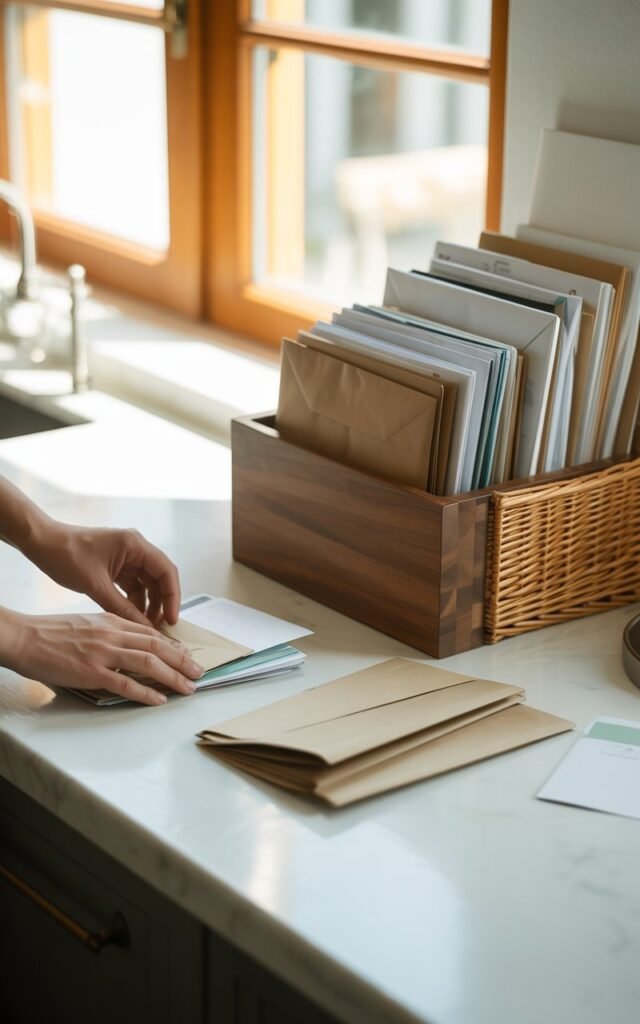
There’s something about a stack of mail that instantly makes a room feel chaotic.
Bills, school forms, receipts, and random flyers quietly multiply on the kitchen counter until they feel overwhelming.
Even when everything else is tidy, those paper piles have a way of stealing the calm from a space.
How I fixed it:
I started by setting up a small inbox for anything that needed attention and recycling everything else immediately.
A small basket became the home for ongoing projects — school forms, letters, or notes — keeping them off counters and out of sight.
Checking mail and sorting paperwork became a daily habit.
The change was almost immediate: the kitchen felt lighter, calmer, and more intentional, and I could actually breathe when walking into the room.
2. Random Kitchen Gadgets
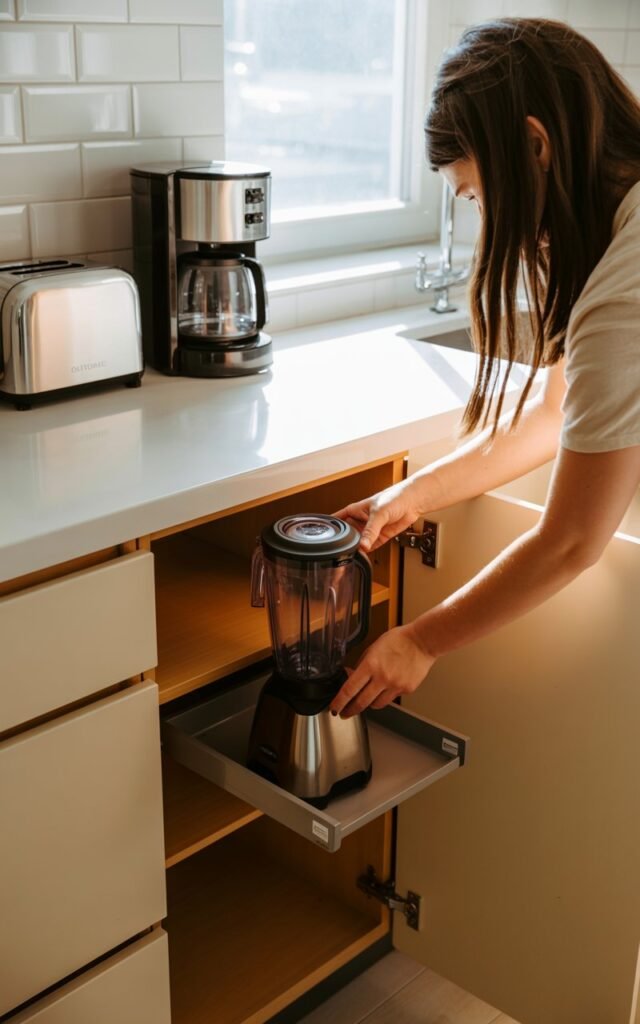
Countertops can feel crowded faster than expected.
Even gadgets meant to make life easier — a waffle maker used once, a juicer gathering dust — can take over visual space and make a kitchen feel cramped.
How I fixed it:
I moved anything not used daily into cabinets or pantry shelves, and seasonal appliances got labeled boxes for storage.
Anything that hadn’t been touched in over a year was donated or stored away.
The shift was subtle but powerful: the kitchen felt brighter, cleaner, and more open.
Cooking suddenly felt easier and even enjoyable, because the space itself stopped competing for my attention.
3. Excess Decor
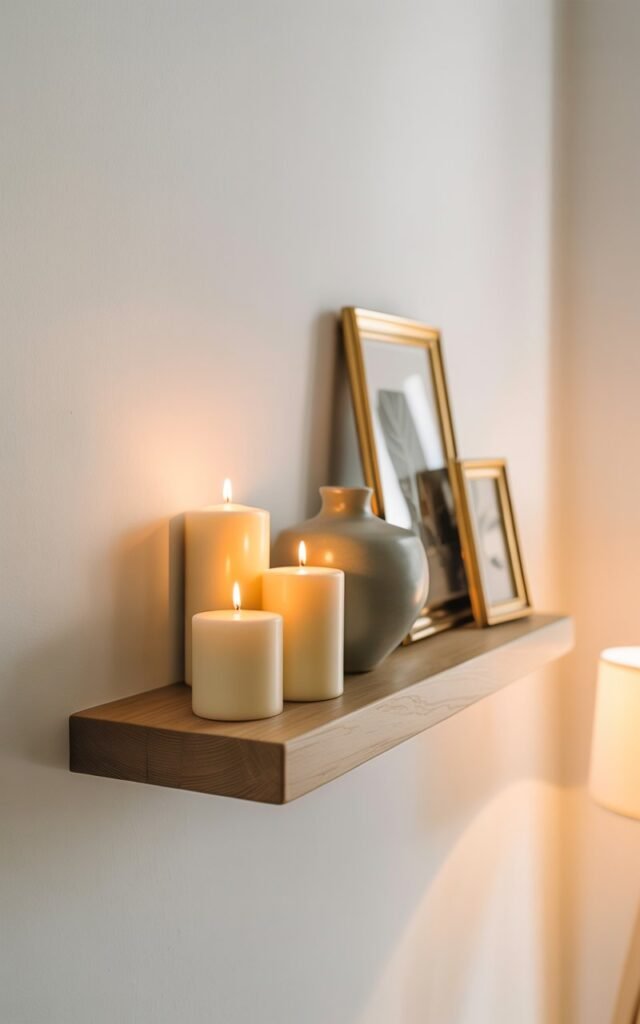
It’s easy to think that more decor makes a home feel cozy or stylish, but too many candles, picture frames, or small figurines can make shelves and surfaces look overcrowded.
I noticed that even though every piece was beautiful, together they created visual chaos that made the room feel heavy.
How I fixed it:
I started editing each surface with intention, leaving only a few favorites on display.
I followed the “odd number” rule — grouping decor in 3s or 5s — which created balance and a more curated look.
Quarterly, I reassessed everything and donated or stored items that no longer sparked joy.
The effect was immediate: shelves felt airy, surfaces looked clean, and the room finally felt harmonious without spending a single dollar.
4. Out-of-Place Shoes
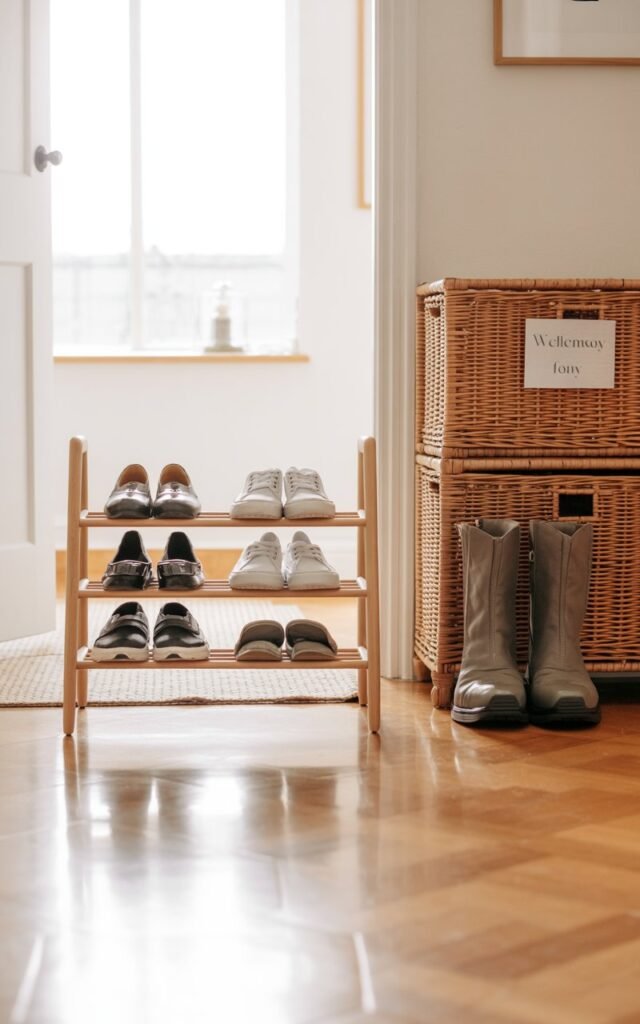
Shoes might seem harmless, but even one or two left near the door or in the living room can make a space feel messy.
I used to walk past a pair of sneakers on the floor and feel a small, nagging sense of disorder every time.
How I fixed it:
I added a simple shoe rack near the entryway and encouraged everyone in the household to put shoes away immediately.
Off-season shoes found homes in storage bins or closets, keeping only daily-use pairs visible.
That small change made a huge difference: the entryway looked neat, the living areas felt uncluttered, and it added an unexpected sense of calm when walking through the door.
5. Overstuffed Cabinets and Drawers
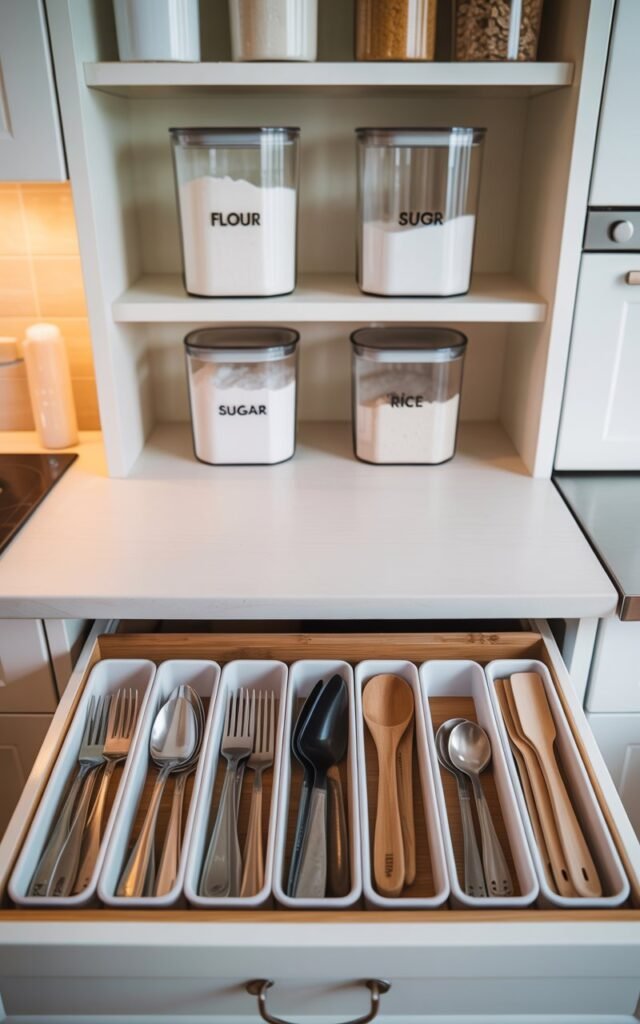
Cabinets and drawers can quietly create clutter even when counters are spotless.
I realized that every time I opened a drawer packed with utensils or a cabinet overflowing with pantry items, it added a small layer of stress.
Clutter hides in storage, and when it’s out of control, the whole home feels chaotic.
How I fixed it:
I pulled everything out and went through it piece by piece. Items I rarely used were stored elsewhere or donated.
I added small bins and drawer organizers to separate things and keep everything in order.
After a week of maintaining this system, opening a drawer felt calming rather than stressful, and cabinets finally looked tidy — making the entire kitchen feel lighter.
6. Cords and Chargers
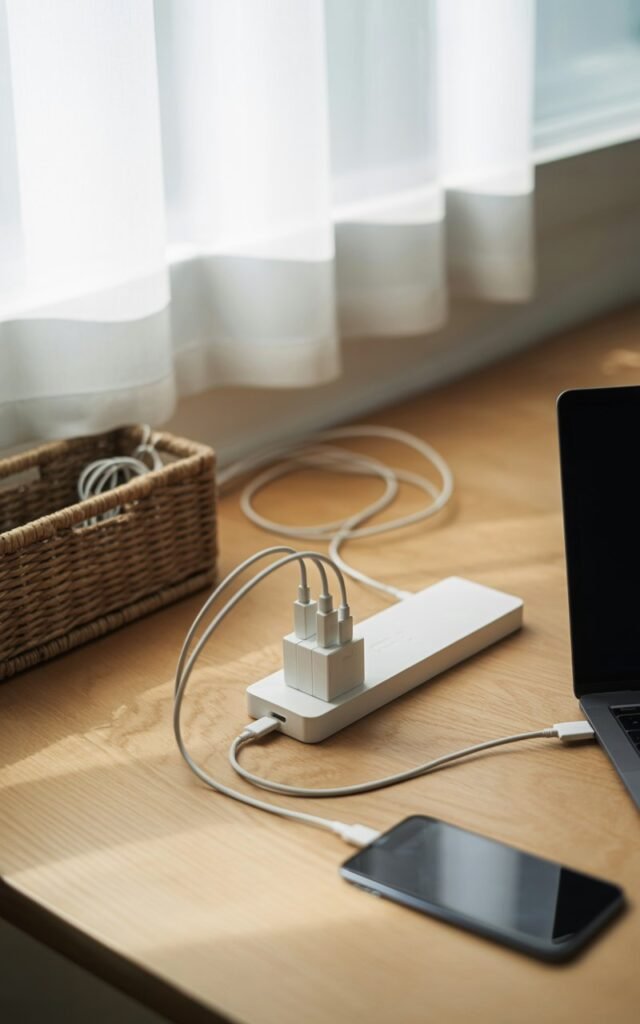
Tech cords, phone chargers, and miscellaneous wires seem harmless, but when left scattered around, they silently make spaces look messy.
I used to step over tangled chargers or dig under piles of papers to find one cord, and it added unnecessary frustration to my day.
How I fixed it:
I invested in a few simple cord organizers and boxes to contain them. Each cord got a label, so I always knew where it was.
I also created a single charging station instead of leaving devices scattered around.
The result? My counters looked cleaner, my desk felt organized, and I no longer wasted time untangling or hunting for chargers.
It was a small adjustment that made a big visual and mental impact.
7. Old Magazines and Books
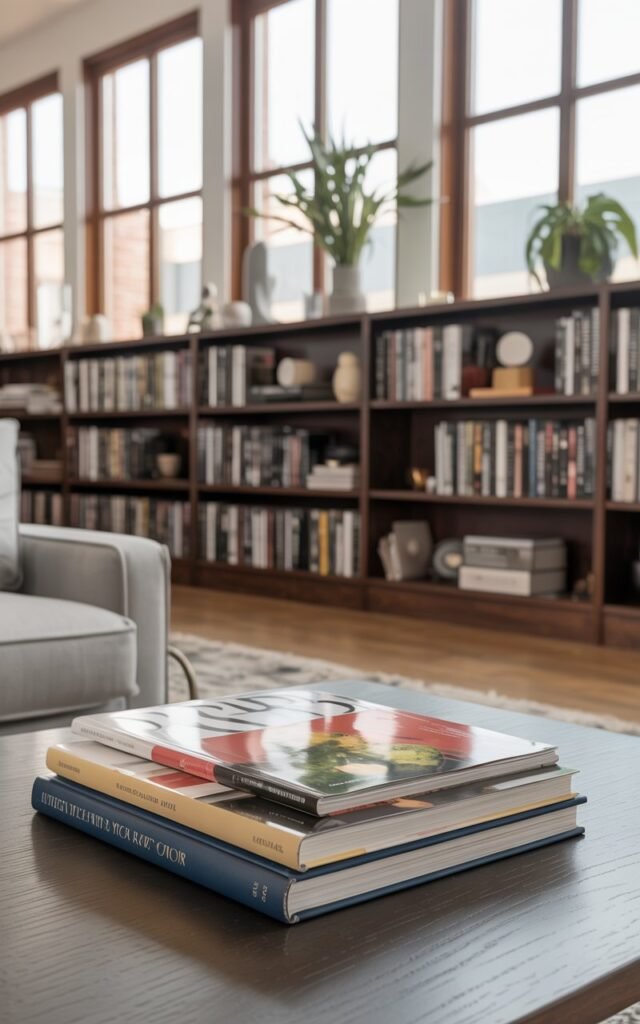
Magazines and books can make a space feel heavy even when they’re neatly stacked.
I noticed that piles of unread magazines and coffee table books were creating visual clutter in my living room, making the space feel cramped and distracting.
How I fixed it:
I started curating what stayed out. Only a few favorite books and current magazines remained on display, while the rest were stored on shelves or donated.
Rotating magazines regularly also helped — anything older than a few months was recycled.
With fewer stacks in sight, the room instantly felt more open, and I actually found myself enjoying the books I did leave out rather than feeling overwhelmed by choices.
8. Kids’ Toys Everywhere
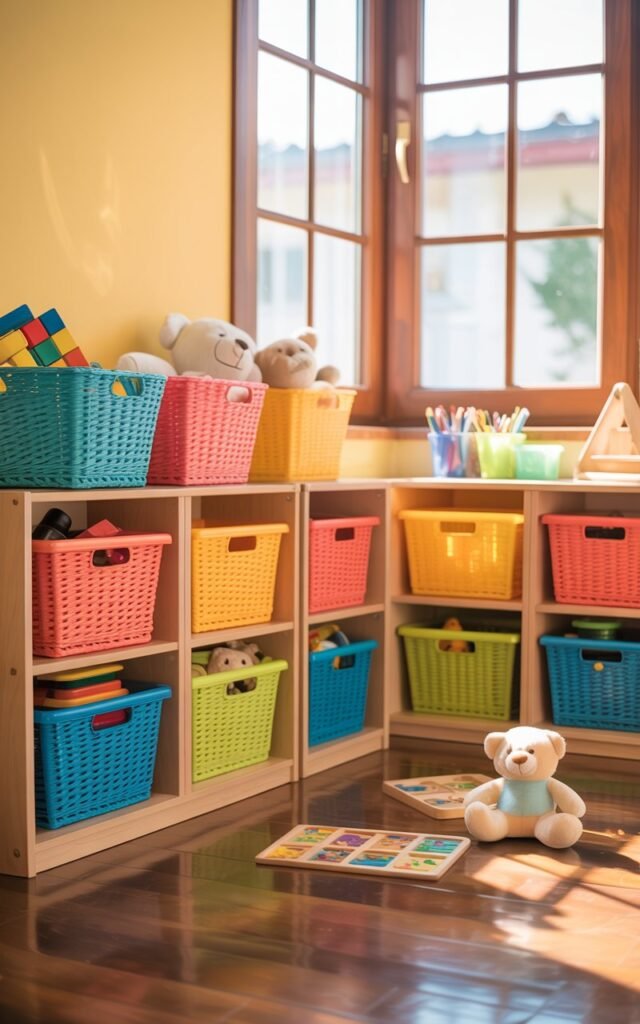
Even a few toys left out can make a home feel messy in seconds.
I realized that the living room often looked chaotic after a day of play, and it added a constant background stress I hadn’t noticed before.
How I fixed it:
I invested in a few baskets and bins, creating designated spots for each type of toy.
I also started rotating toys weekly — a smaller selection was out at a time, which made cleanup easier and the room look neater.
Finally, we made a habit of tidying up before bedtime, turning it into a quick family routine rather than a stressful chore.
With these small adjustments, playtime stayed fun, but the home stayed visually calm.
9. Miscellaneous Personal Items
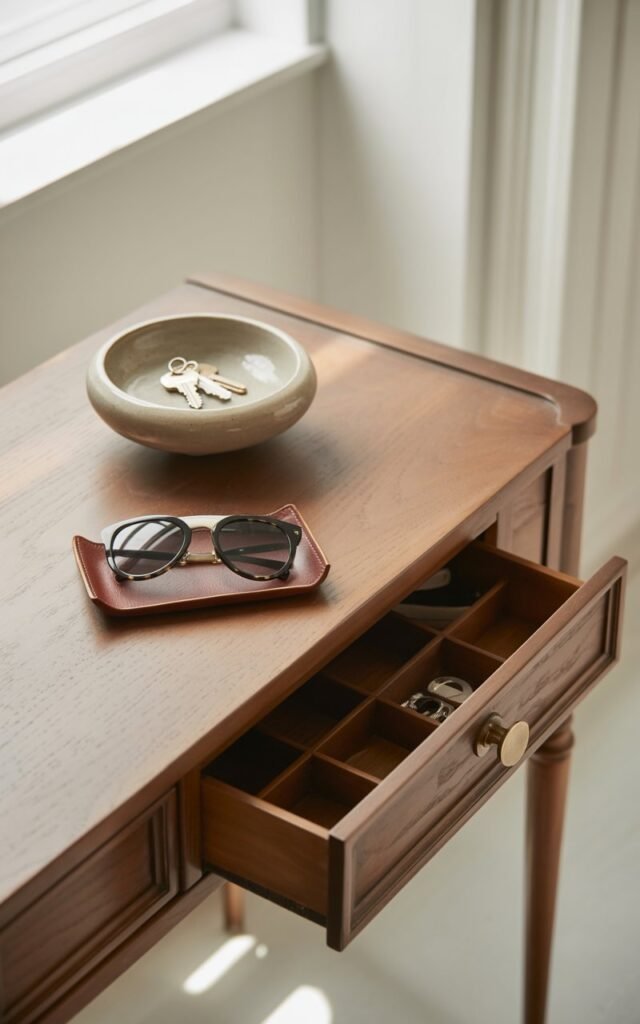
Keys, sunglasses, wallets, and random little trinkets often end up scattered on tables and counters.
Individually, they seem harmless, but together they create a sense of chaos that makes even a tidy home feel cluttered.
How I fixed it:
I set up dedicated spots for daily essentials — a key bowl by the door, a small tray for sunglasses and wallets, and a drawer for other miscellaneous items.
Making it a habit to put everything back immediately after use kept surfaces clear.
The home instantly felt more organized, and walking through each room became calmer because there were no tiny piles to subconsciously stress over.
10. Excess Clothing
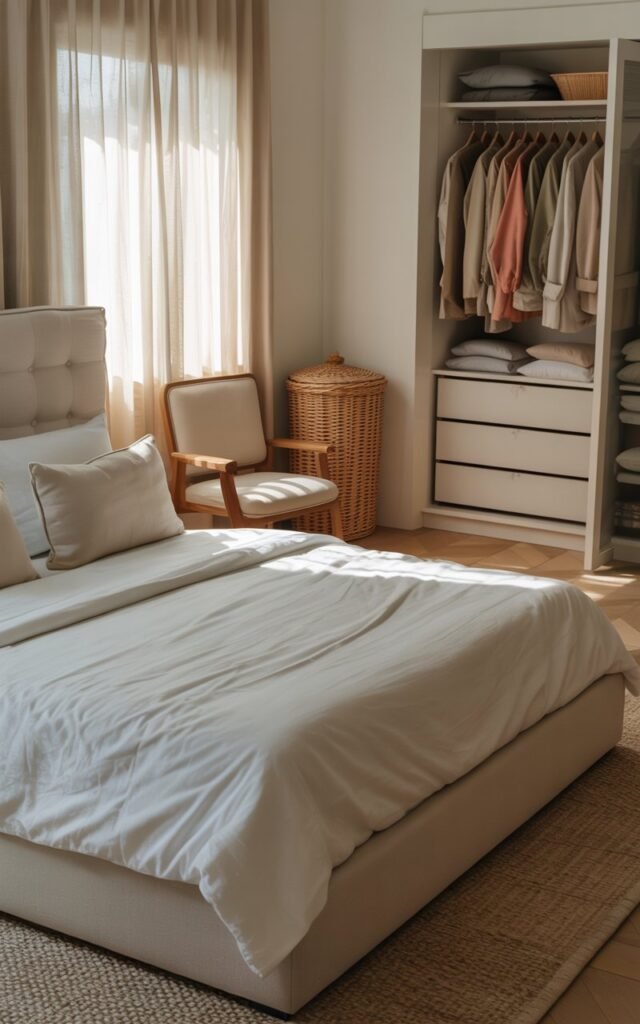
Clothes left on chairs, beds, or couches can quickly make a space feel messy, even when the rest of the home is clean.
I noticed that small piles of worn-but-not-dirty clothes were subtly adding to the clutter in my bedroom and living areas.
How I fixed it:
I adopted a “one-day rule”: nothing stays out overnight.
Hampers were made accessible, laundry became part of a consistent routine, and clothes that weren’t regularly worn were donated or stored.
The change was immediate — bedrooms and living spaces felt airy, organized, and intentional, without the stress of constantly picking up after yourself.
Conclusion
Clutter isn’t just physical — it affects mood, focus, and the overall feeling of your home.
By identifying the everyday items that quietly pile up, you can reclaim your space without major renovations or expensive purchases.
Small, intentional habits — sorting mail daily, storing gadgets, curating decor, and creating designated spots for essentials — make a huge difference.
Each step may seem minor on its own, but together they transform a home from chaotic to calm, from stressful to welcoming.
Living beautifully isn’t about perfection or spending more; it’s about creating a space that supports your peace, your focus, and your life.
Once you address these ten sneaky clutter culprits, your home will feel lighter, cleaner, and truly yours.