How to Make Worry Stones That Soothe and Sell: DIY Projects for Therapists & Creative Makers
Some DIY projects are fun to make, but others actually feel meaningful — and that’s exactly why I became so interested in worry stones.
They’re simple, calming, affordable to create, and surprisingly comforting to hold during stressful moments.
What started as a small creative project quickly turned into one of those handmade ideas that feels both therapeutic and practical at the same time.
Over time, worry stones have become popular with therapists, teachers, mindfulness creators, gift shoppers, and even small handmade business owners because they combine relaxation, creativity, and emotional comfort in such a simple object.
Whether you want to make them for self-care, therapy spaces, gifts, craft fairs, or online shops, handmade worry stones are one of the easiest calming DIY projects to personalize and sell.
In this guide, I’m sharing everything from beginner-friendly materials and step-by-step tutorials to creative design ideas, packaging tips, selling advice, and ways to make your worry stones feel more soothing and professional.
Disclaimer: This post may contain affiliate links, which means I may earn a small commission at no extra cost to you. Always follow product instructions and use crafting materials safely, especially when working with sealers, paints, or tools.
Amazon Shopping List: How to Make Worry Stones That Soothe and Sell
- Air Dry Clay or Polymer Clay Set
- Acrylic Paint Pens for Detail Work
- Smooth River Stones for Crafting
- Clear Gloss Sealer Spray
- Craft Sandpaper Set (Fine Grit)
- Silicone Craft Mat for Workspace Protection
- Small Gift Bags or Display Boxes for Packaging
Why Worry Stones Feel So Comforting
There’s a reason people naturally rub smooth objects during stressful moments.
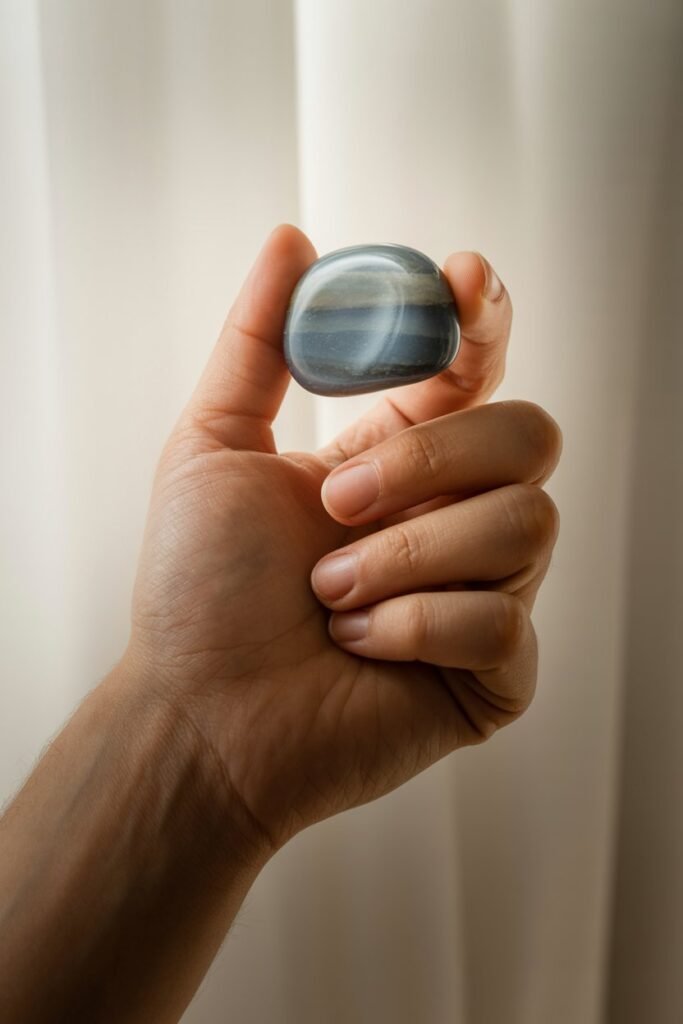
The repetitive thumb movement used with worry stones can feel grounding and calming because it helps redirect nervous energy into a simple physical action.
Many therapists and mindfulness creators use worry stones because they encourage:
- Relaxation
- Grounding exercises
- Mindfulness
- Sensory comfort
- Focus during stressful situations
One thing I personally noticed while researching calming handmade products is that texture makes a huge difference.
A smooth rounded stone with a soft thumb groove instantly feels more comforting than rough or sharp materials.
That’s why simple designs often work best.
The History Behind Worry Stones
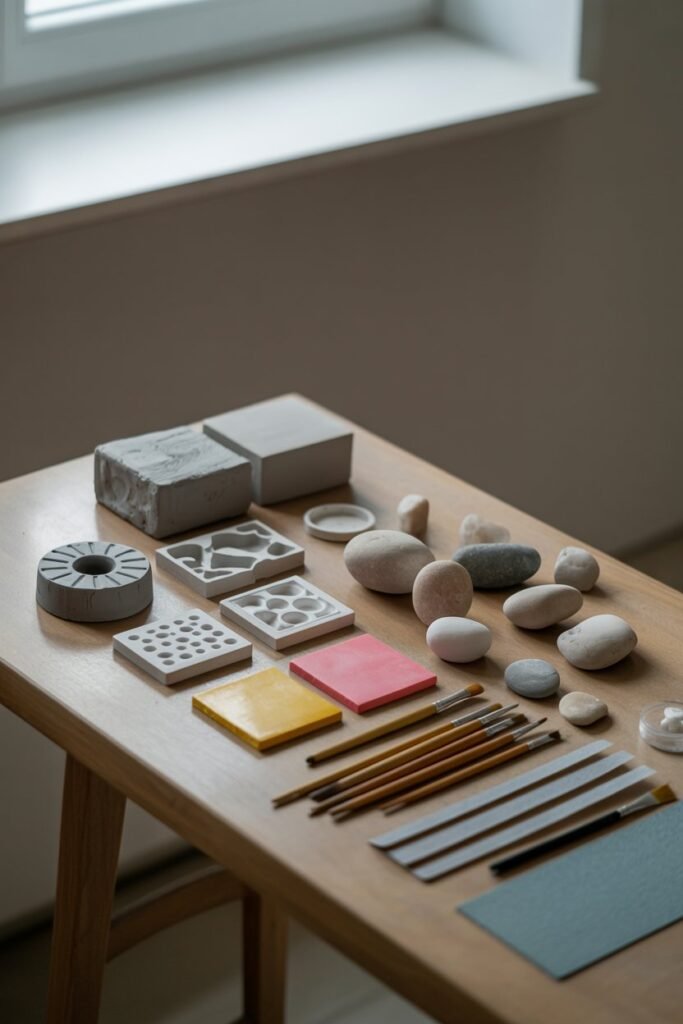
Worry stones have existed for centuries in different forms. Ancient cultures often carried smooth stones in pockets for comfort, meditation, or focus.
Greek worry stones are especially well known because people would rub polished stones between their fingers to help reduce stress and anxious thoughts.
Today, worry stones are still used for:
- Anxiety support
- Meditation practices
- Sensory grounding
- Classroom calming corners
- Therapy offices
- Relaxation routines
What makes them so timeless is their simplicity. They don’t require batteries, screens, or complicated instructions. They’re simply small comforting objects people can carry anywhere.
Choosing the Best Materials for DIY Worry Stones
The material you choose changes both the appearance and feel of the final product. Some materials feel earthy and natural, while others create a more polished luxury look.
Air Dry Clay
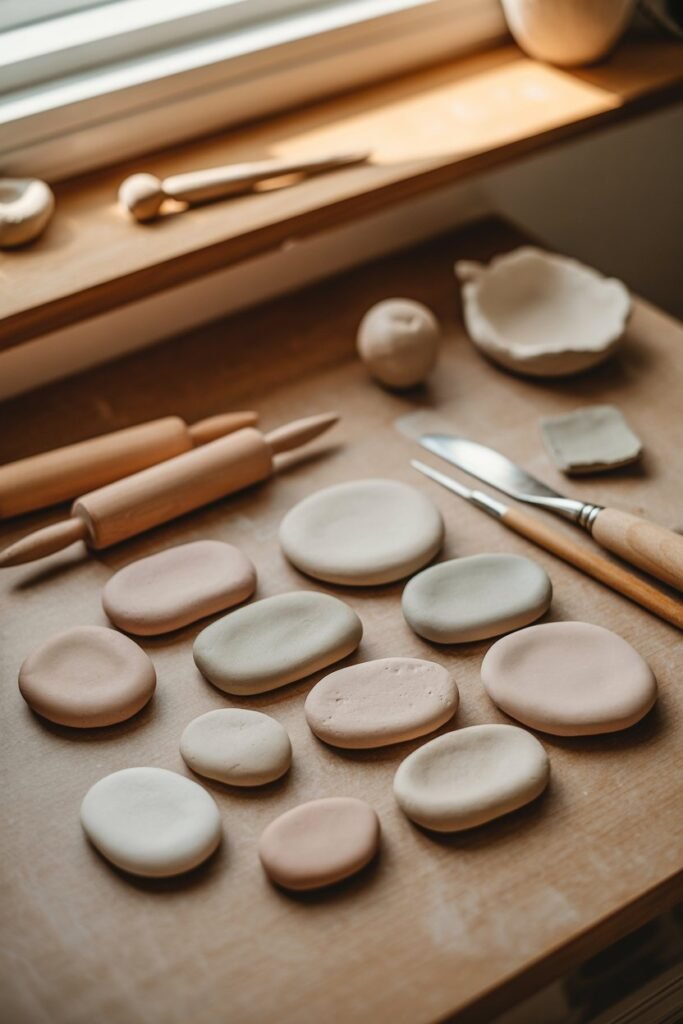
Air dry clay is one of the easiest beginner options because it’s affordable and doesn’t require baking equipment.
Pros
- Beginner-friendly
- Affordable
- Lightweight
- Easy to shape
Cons
- Less durable than resin
- Can crack if dried improperly
Best for:
- Beginners
- Kids crafts
- Minimalist matte worry stones
Polymer Clay
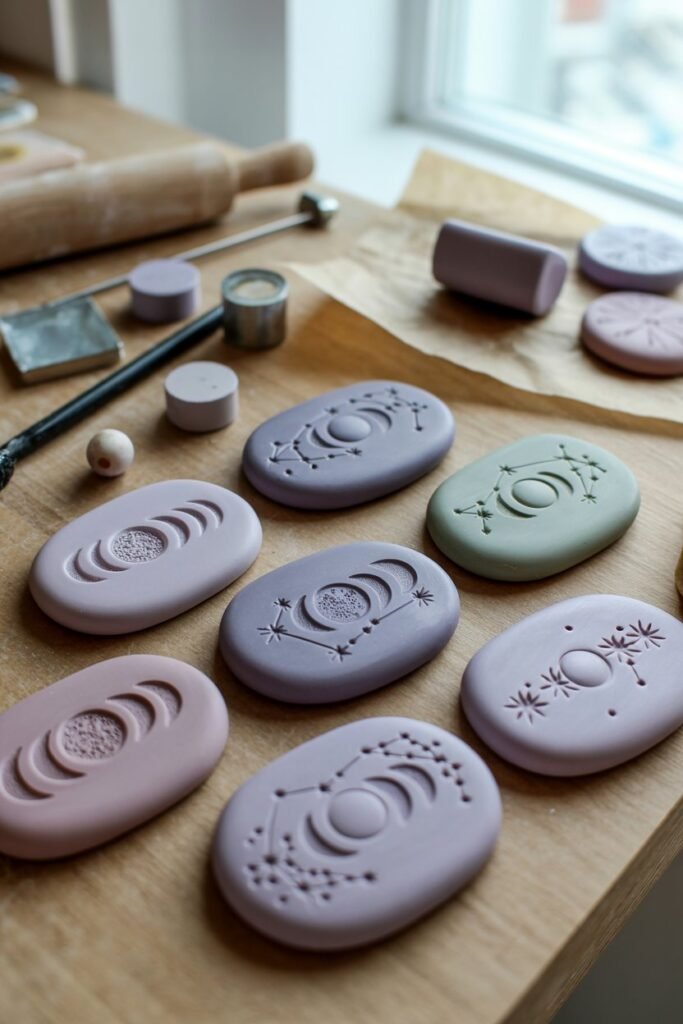
Polymer clay creates smoother and stronger worry stones with more professional-looking finishes.
Pros
- Durable
- Smooth texture
- Easy to paint
- Professional appearance
Cons
- Requires baking
- Slightly more expensive
Best for:
- Etsy shops
- Craft fairs
- Decorative worry stones
Resin
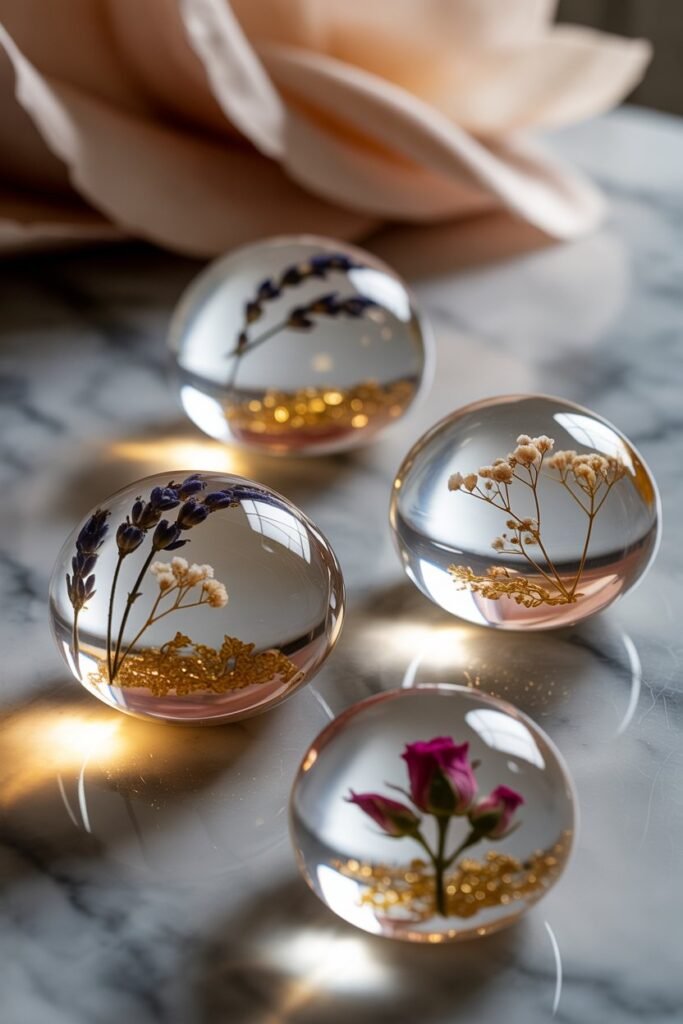
Resin worry stones often look glossy, luxurious, and artistic.
Pros
- Beautiful glossy finish
- Endless design options
- Durable
- Great for embedding flowers or glitter
Cons
- Longer curing time
- Requires ventilation
- More advanced process
Best for:
- Premium handmade shops
- Artistic calming gifts
- Decorative collections
Natural River Stones
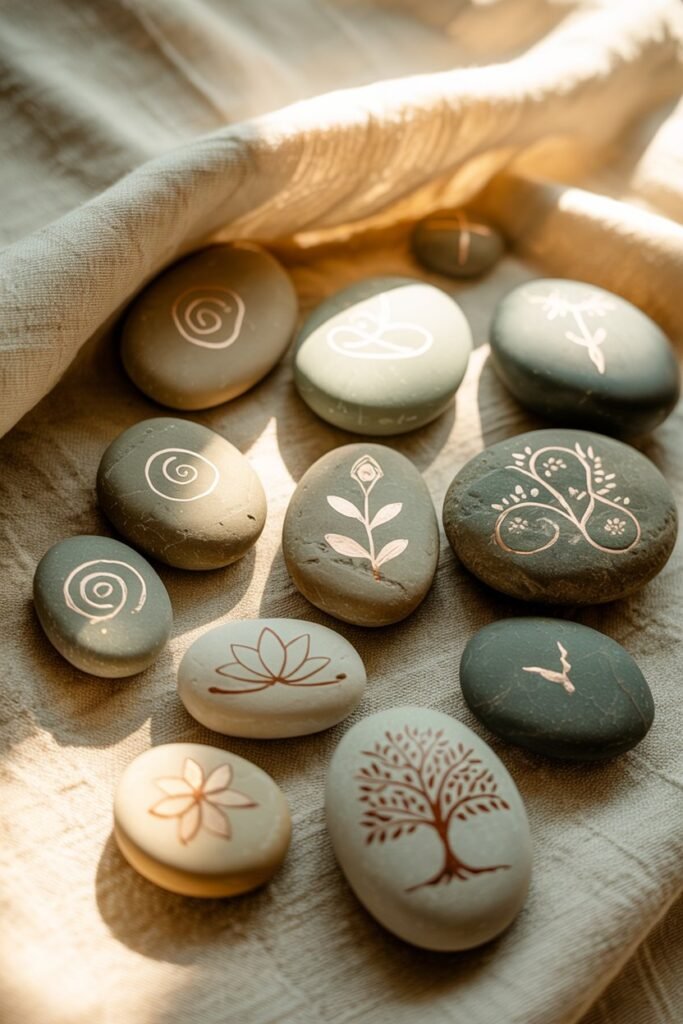
Natural stones give the most grounding and earthy feel.
Pros
- Authentic texture
- Naturally soothing
- Budget-friendly
- Minimal work required
Cons
- Limited customization
- Requires smooth stone sourcing
Best for:
- Therapists
- Meditation tools
- Nature-inspired aesthetics
Step-by-Step Beginner Tutorial
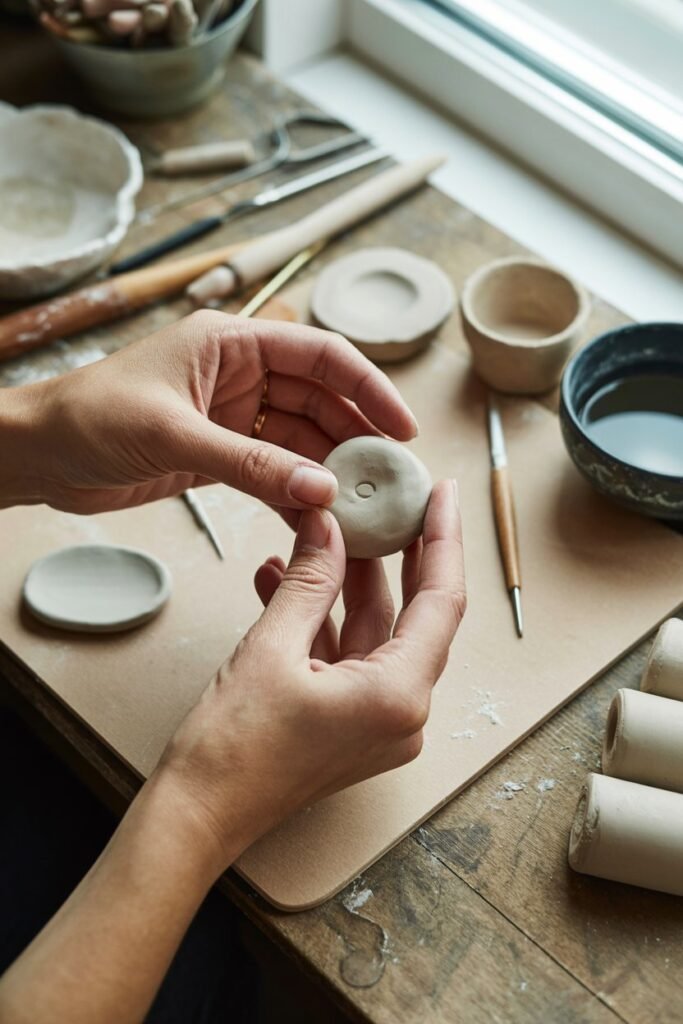
Supplies You’ll Need
- Clay, resin, or smooth stones
- Sandpaper
- Acrylic paint or paint pens
- Soft cloth
- Sealant
- Small shaping tools
- Gloves for resin projects
Step 1: Shape the Stone
Roll or shape the material into a small oval that fits comfortably in your hand. Worry stones should feel smooth and pocket-sized.
The most important detail is creating a soft thumb indentation in the center.
Step 2: Smooth the Edges
Use your fingers or sandpaper to remove sharp edges. Rounded edges make the stone feel much more calming and professional.
Step 3: Dry or Cure
- Air dry clay should dry slowly
- Polymer clay needs baking
- Resin requires curing time
Avoid rushing this process because cracks or uneven textures can ruin the final result.
Step 4: Decorate the Stone
This is where creativity comes in.
You can add:
- Minimal line art
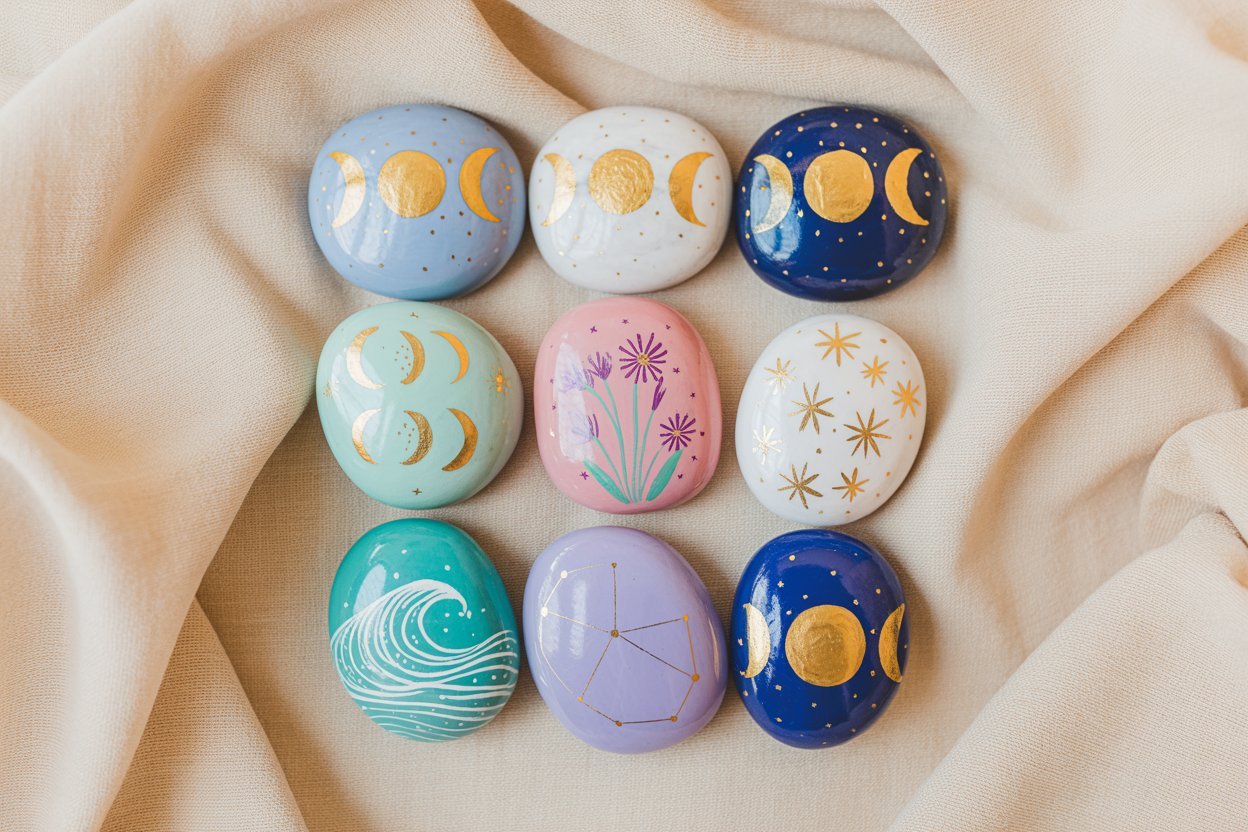
- Stars and moons
- Floral patterns
- Ocean waves
- Positive affirmations
- Marble effects
- Celestial themes
Soft calming colors usually work best.
Step 5: Seal for Durability
A protective sealant helps:
- Prevent scratches
- Protect paint
- Improve longevity
- Create smoother textures
Matte finishes usually feel more calming than overly glossy finishes.
Color Meanings for Worry Stones
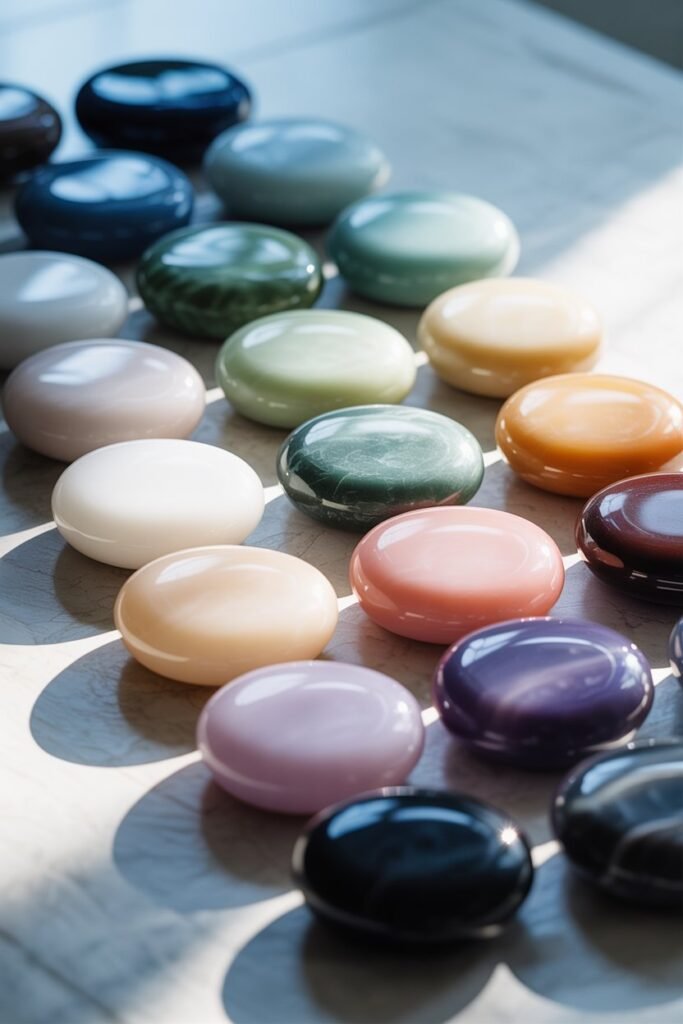
Color symbolism can make handmade worry stones feel more meaningful.
Blue
Represents calmness, peace, and relaxation.
Green
Associated with healing, balance, and nature.
Pink
Feels soft, comforting, and nurturing.
White
Represents clarity and peace.
Purple
Linked to creativity and mindfulness.
Black
Often used for grounding and emotional strength.
Neutral earthy tones also perform extremely well for minimalist handmade aesthetics.
Creative Worry Stone Design Ideas
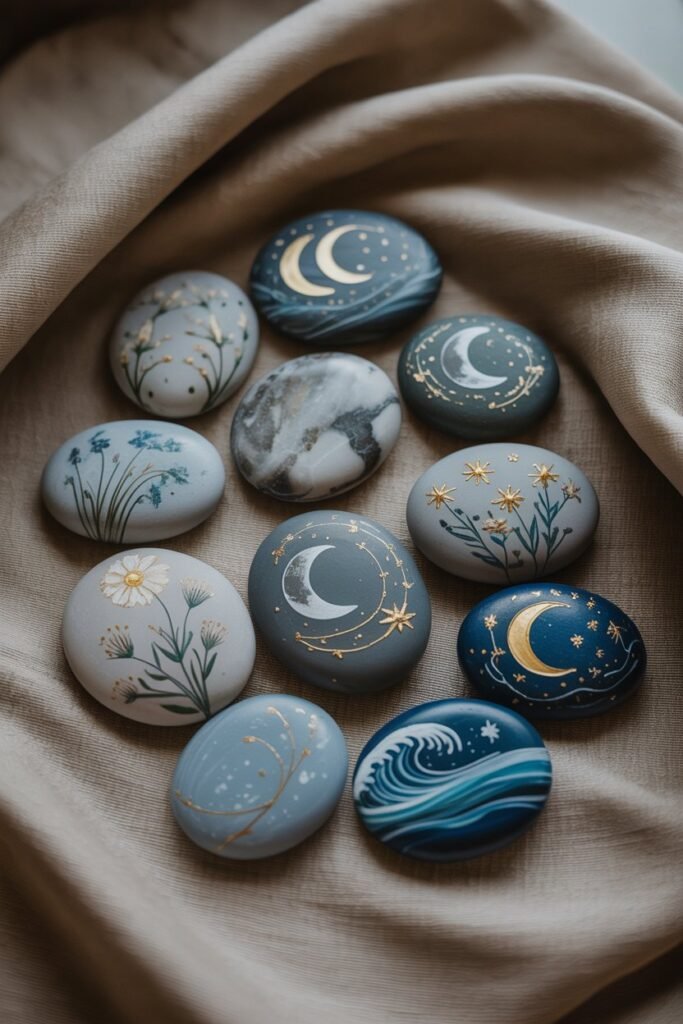
If you want your designs to stand out, simple themed collections work really well.
Popular ideas include:
- Moon phases
- Ocean waves
- Mushrooms
- Constellations
- Minimal flowers
- Crystals
- Botanical patterns
- Celestial art
- Marble textures
- Sun and stars
- Zodiac symbols
- Abstract calming patterns
I personally think softer, simpler designs usually feel more timeless and relaxing than overly busy artwork.
How Therapists Use Worry Stones
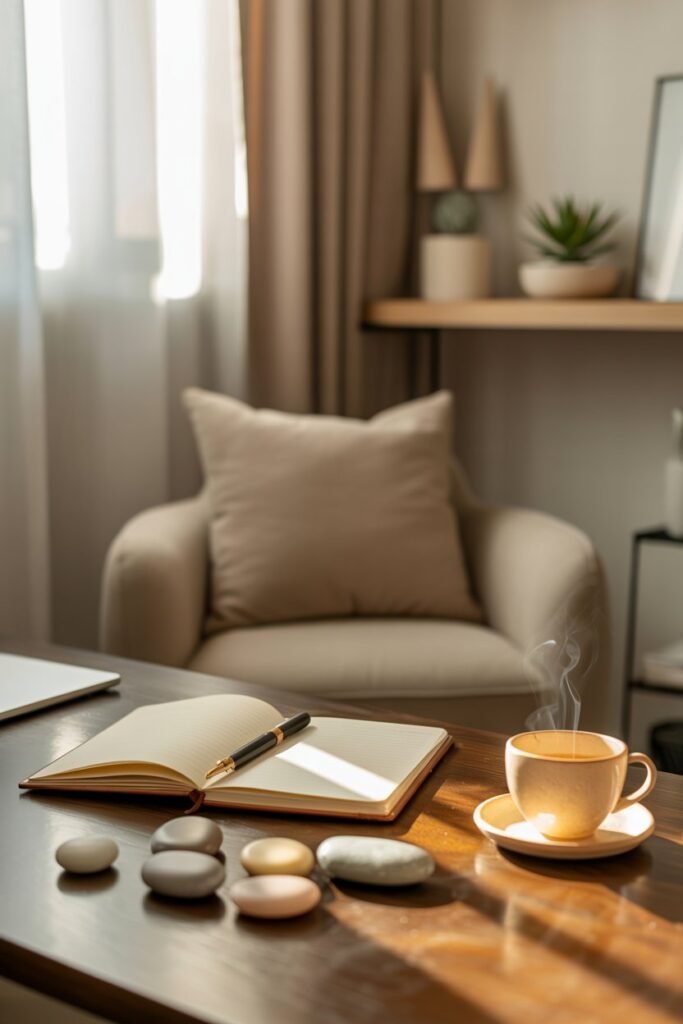
Many therapists and counselors use worry stones as calming sensory tools during sessions.
They can help with:
- Anxiety grounding
- Emotional regulation
- Mindfulness exercises
- Focus support
- Stress management
Some therapy offices even keep bowls of calming objects like worry stones in waiting rooms because repetitive tactile movement can feel soothing during stressful situations.
Teachers also use them in classroom calming corners for children who benefit from sensory grounding tools.
Why Handmade Worry Stones Sell So Well
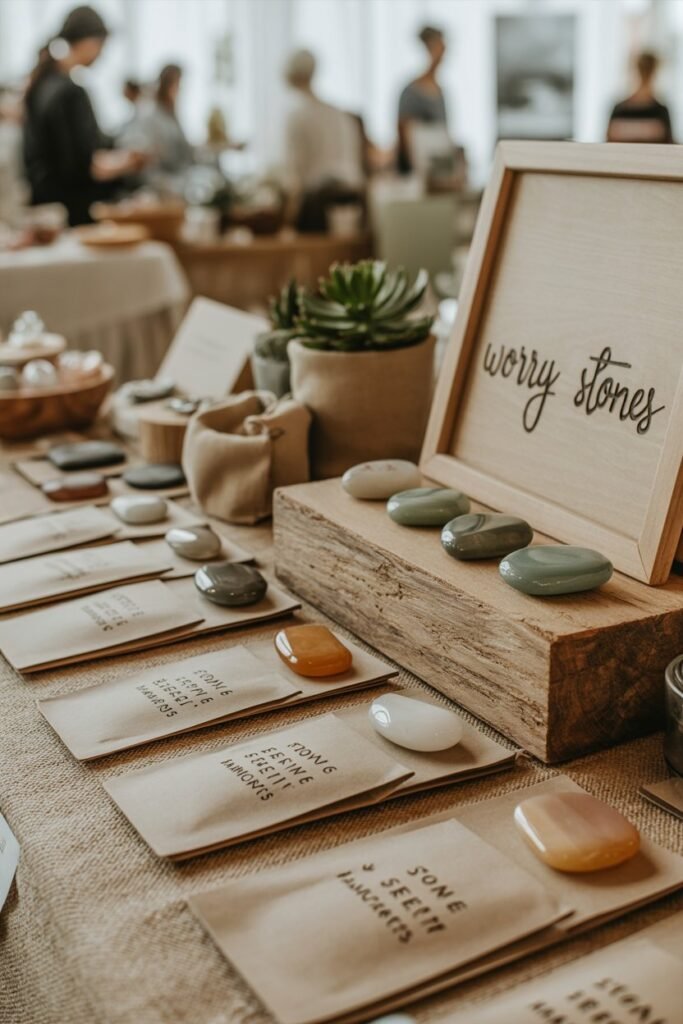
Worry stones fit perfectly into several growing trends:
- Self-care products
- Mindfulness gifts
- Anxiety relief tools
- Handmade wellness items
- Sensory support products
People often buy them as:
- Gifts
- Therapy tools
- Desk accessories
- Meditation aids
- Pocket comfort items
Because they’re small and lightweight, they’re also affordable to ship and easy to package beautifully.
Packaging Ideas That Make Them Feel Premium
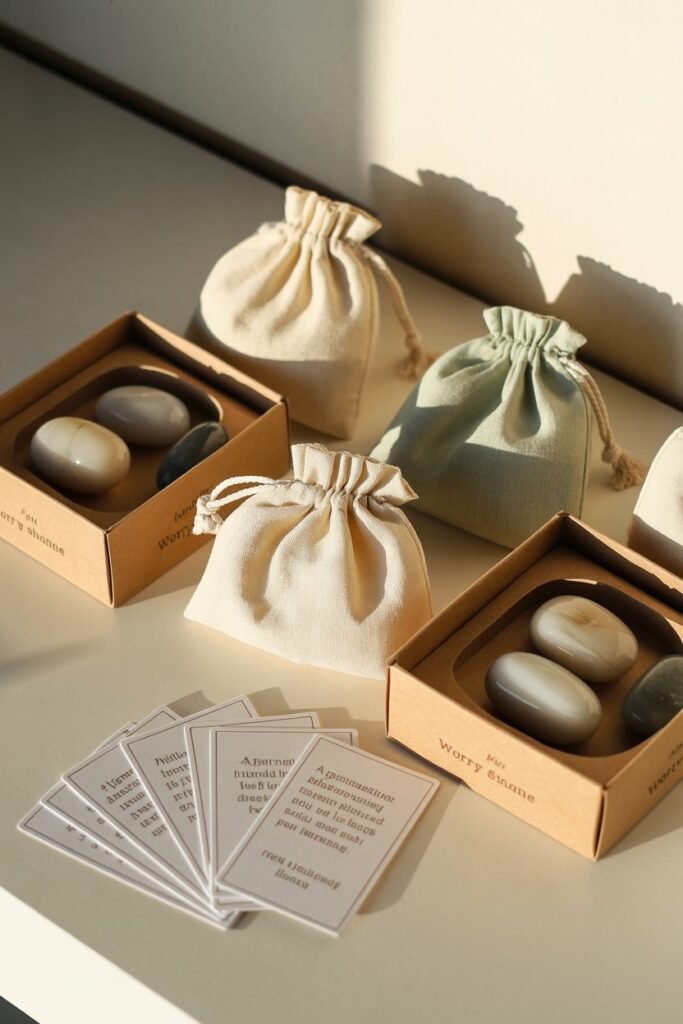
One thing I noticed while browsing handmade calming products is that packaging makes a huge difference.
Simple upgrades can instantly make products look more expensive.
Packaging Ideas
- Linen drawstring bags
- Kraft paper boxes
- Handmade tags
- Affirmation cards
- Eco-friendly wrapping
- Soft neutral branding
Minimal packaging often feels more calming and luxurious than bright overly busy designs.
Best Places to Sell Handmade Worry Stones
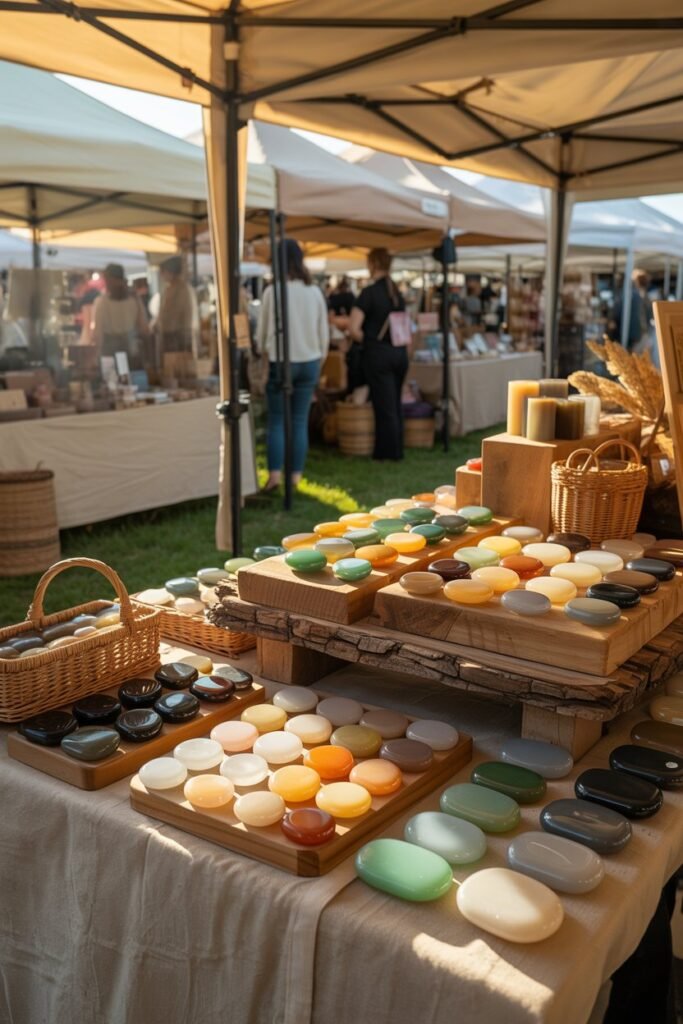
If you want to turn this into a small business idea, there are several good places to start.
Online Shops
- Etsy
- Shopify
- TikTok Shop
- Instagram handmade pages
In-Person Selling
- Craft fairs
- Farmer’s markets
- Wellness events
- Therapy office gift sections
Pinterest also works surprisingly well for calming DIY products because aesthetic self-care content performs strongly there.
Pricing Guide for Beginners
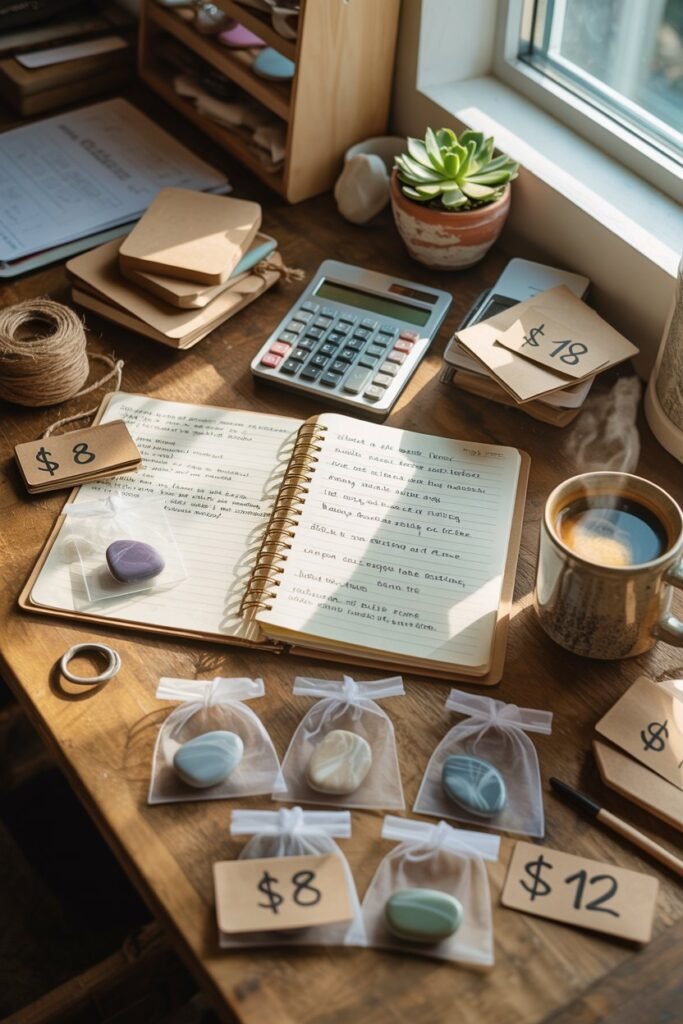
Pricing handmade products can feel difficult at first, but it’s important not to undervalue your time.
Things to include in pricing:
- Materials
- Packaging
- Labor
- Shipping supplies
- Platform fees
Simple beginner worry stones might sell for lower prices, while premium resin or artistic collections can sell for much more.
Gift bundles and themed sets usually increase sales value.
Common Mistakes to Avoid
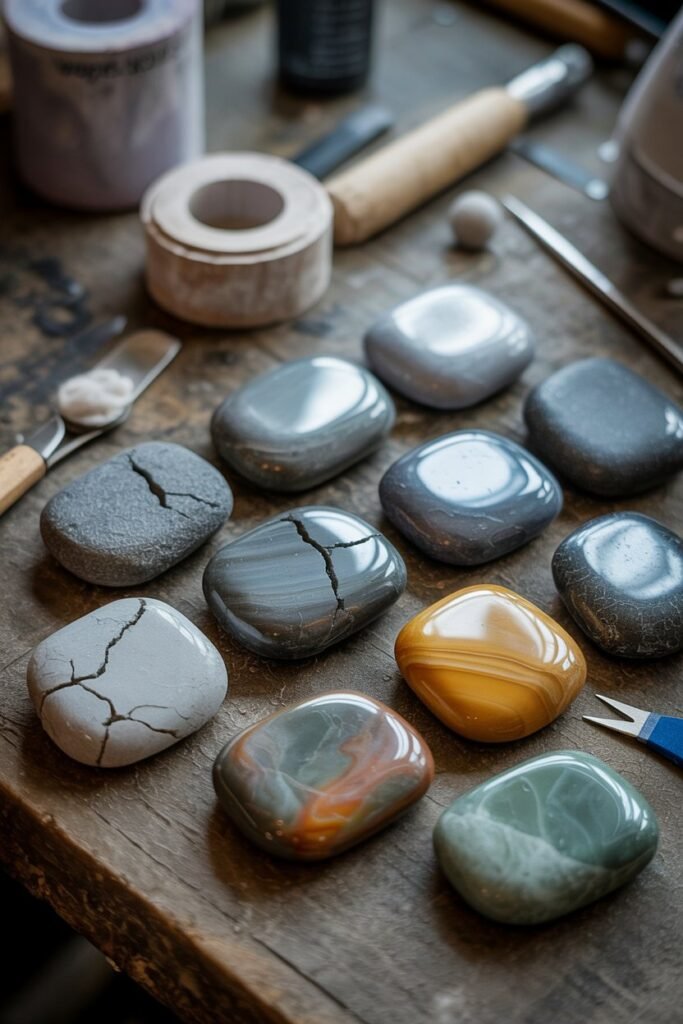
Making Stones Too Large
Worry stones should fit naturally in the palm or pocket.
Using Rough Textures
Sharp edges reduce the soothing effect.
Overcomplicated Designs
Minimal calming aesthetics usually perform better.
Ignoring Packaging
Presentation strongly affects handmade product sales.
Poor Product Photos
Natural lighting and soft backgrounds make handmade products look far more professional.
Seasonal Worry Stone Ideas
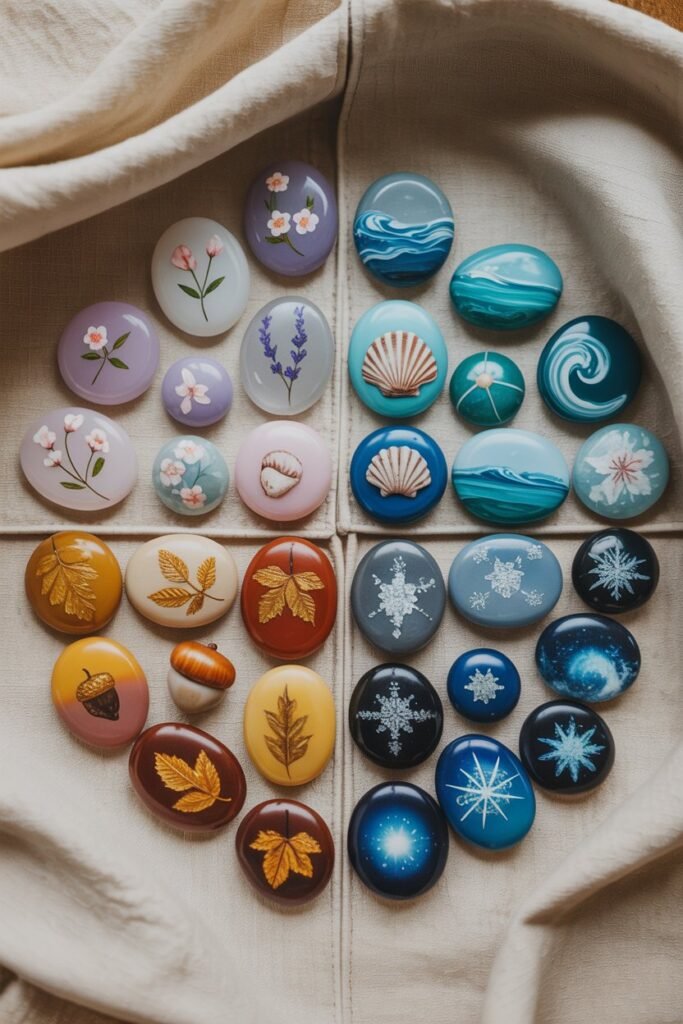
Seasonal collections can help handmade shops feel fresh year-round.
Spring
Floral pastel stones
Summer
Ocean-inspired designs
Fall
Earth tones and leaf patterns
Winter
Celestial and snowy themes
Holiday gift sets also sell especially well during colder months.
Creative Ways People Use Worry Stones
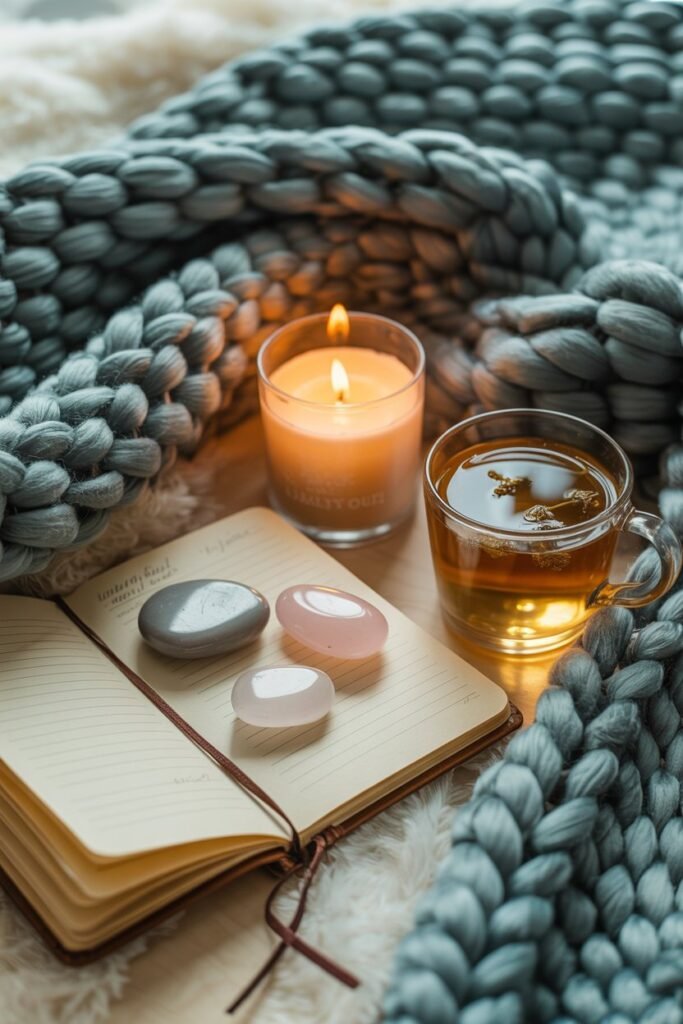
Worry stones are more versatile than many people realize.
People use them for:
- Meditation
- Anxiety support
- Desk décor
- Sleep routines
- Gift baskets
- Classroom calming tools
- Pocket reminders
- Self-care kits
Some people even pair them with journaling or breathing exercises.
Helpful Tips That Make Worry Stones Feel More Soothing
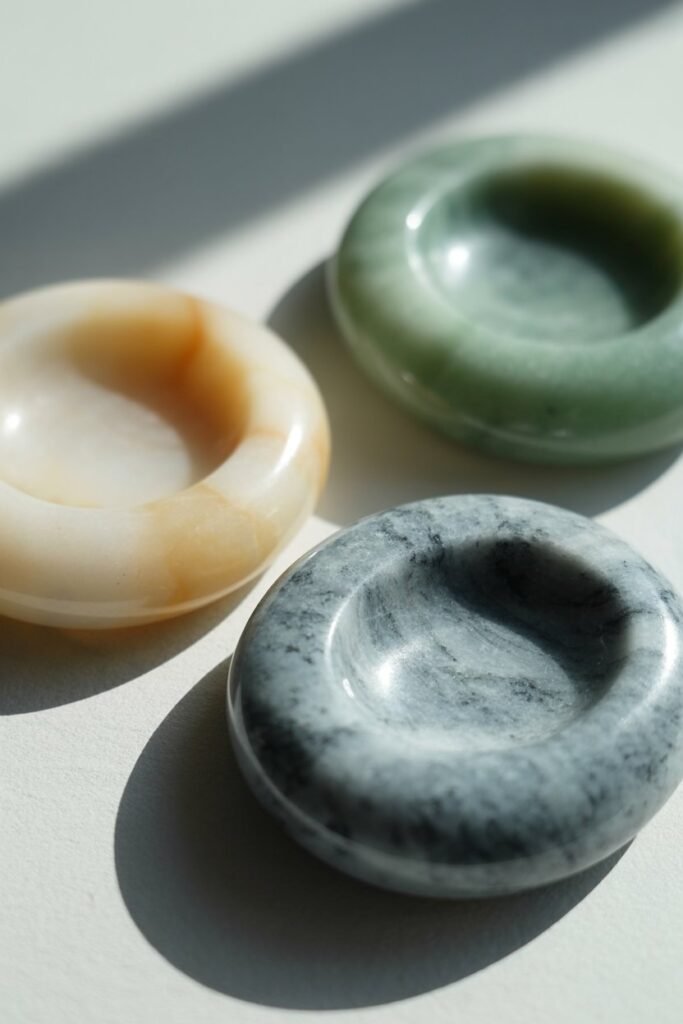
A few small details can completely change how calming a worry stone feels.
What helps most:
- Rounded edges
- Soft textures
- Lightweight feel
- Matte finishes
- Comfortable thumb grooves
- Neutral calming colors
The goal is comfort, not perfection.
Frequently Asked Questions
What are worry stones used for?
Worry stones are often used for relaxation, grounding exercises, mindfulness routines, and stress relief.
What material is best for DIY worry stones?
Clay, resin, and smooth river stones are the most popular beginner-friendly options.
Can therapists use worry stones?
Yes. Many therapists use them as calming sensory tools during mindfulness or grounding exercises.
Do handmade worry stones sell well?
Yes, especially when paired with calming aesthetics, thoughtful packaging, and handmade personalization.
Final Thoughts
Worry stones are one of those rare DIY projects that combine creativity, mindfulness, and practicality all in one. They’re affordable to make, relaxing to customize, and meaningful for the people who use them.
Whether you’re creating them for therapy spaces, self-care routines, gifts, or small business ideas, handmade worry stones have a timeless comforting quality that people genuinely connect with.
Sometimes the simplest handmade creations end up being the most meaningful.