
Simple Apartment Homesteading Ideas for Beginners
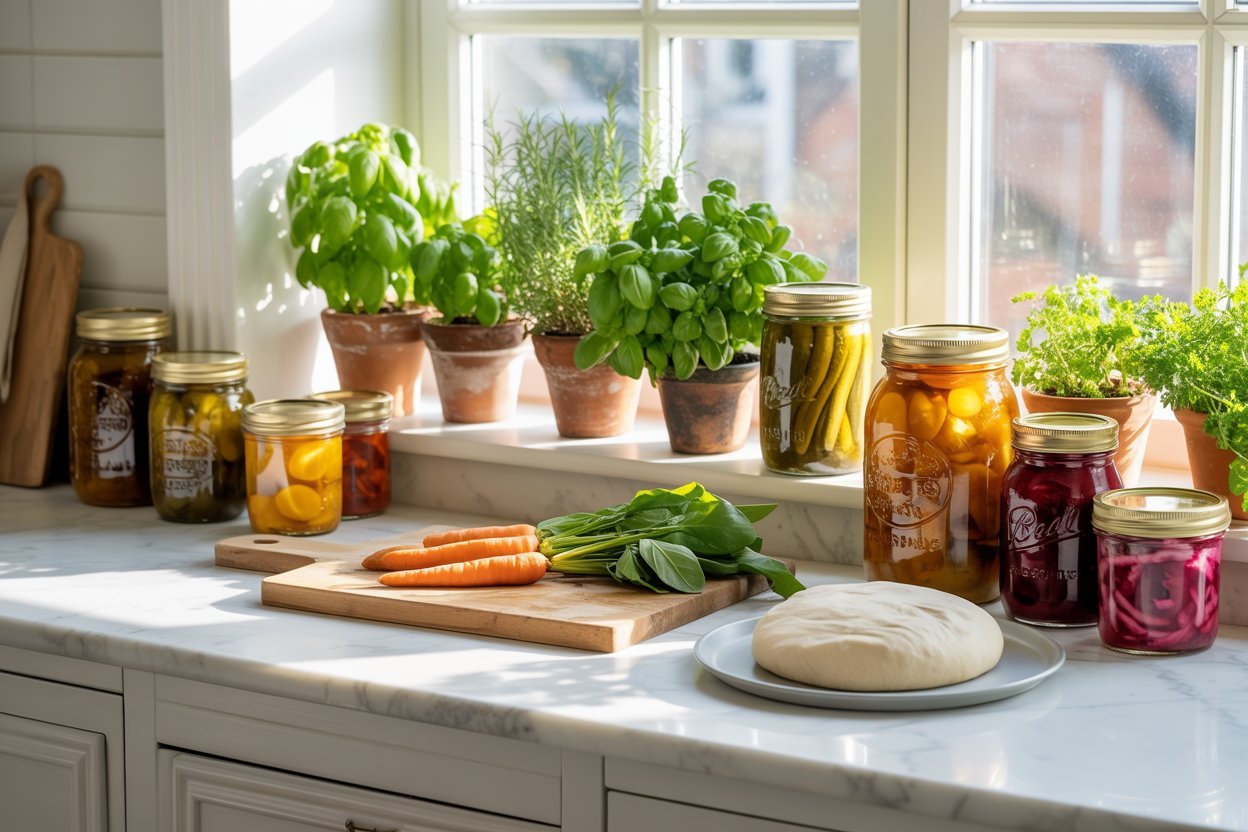
Living in a small apartment used to make me feel like self-sufficiency was something only people with land, chickens, and huge gardens could enjoy.
Every time I saw traditional homesteading content online, it always seemed tied to large backyards, barns, and rural living.
But over time, I realized something important: homesteading is less about where you live and more about how you live.
You do not need acres of land to start becoming more self-sufficient.
Apartment homesteading is simply about learning practical skills, wasting less, growing what you can, making things yourself, and becoming a little less dependent on convenience culture.
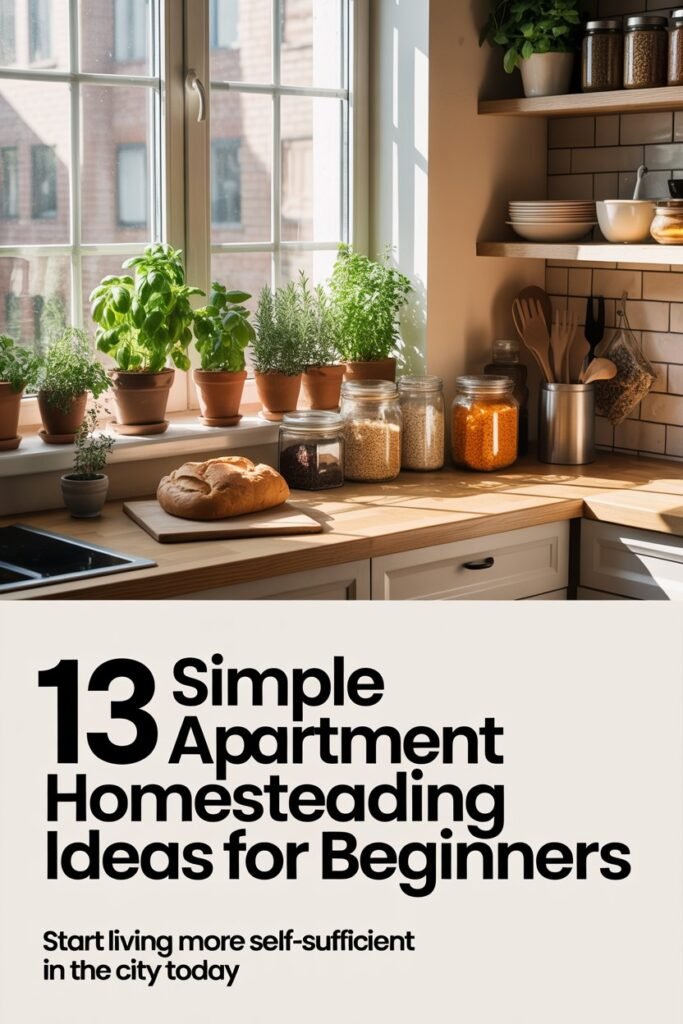
Even in a city apartment, you can grow herbs, preserve food, reduce grocery costs, cook from scratch, make homemade cleaners, and create a calmer, more intentional lifestyle.
I started small myself. A few herbs near the kitchen window. Homemade bread on weekends.
Learning how to store pantry staples properly instead of constantly buying takeout or wasting groceries. Little by little, those habits changed the way I lived.
If you’ve been wanting a slower, more sustainable lifestyle without leaving the city, this guide will help you get started realistically.
Disclaimer: This post may contain affiliate links, which means I may earn a small commission at no extra cost to you. Always choose apartment-friendly homesteading methods that suit your space, ventilation, and local building guidelines.
Amazon Shopping List: Apartment Homesteading Ideas for Beginners
- Indoor Herb Garden Starter Kit (Basil, Mint, Parsley)
- Stackable Vertical Planter Pots for Small Spaces
- LED Grow Light for Indoor Plants
- Mason Jar Set for Fermenting & Storage
- Compost Bin for Kitchen Countertop
- Glass Meal Prep Containers with Lids
- Watering Can with Long Spout for Indoor Plants
What Is Apartment Homesteading?
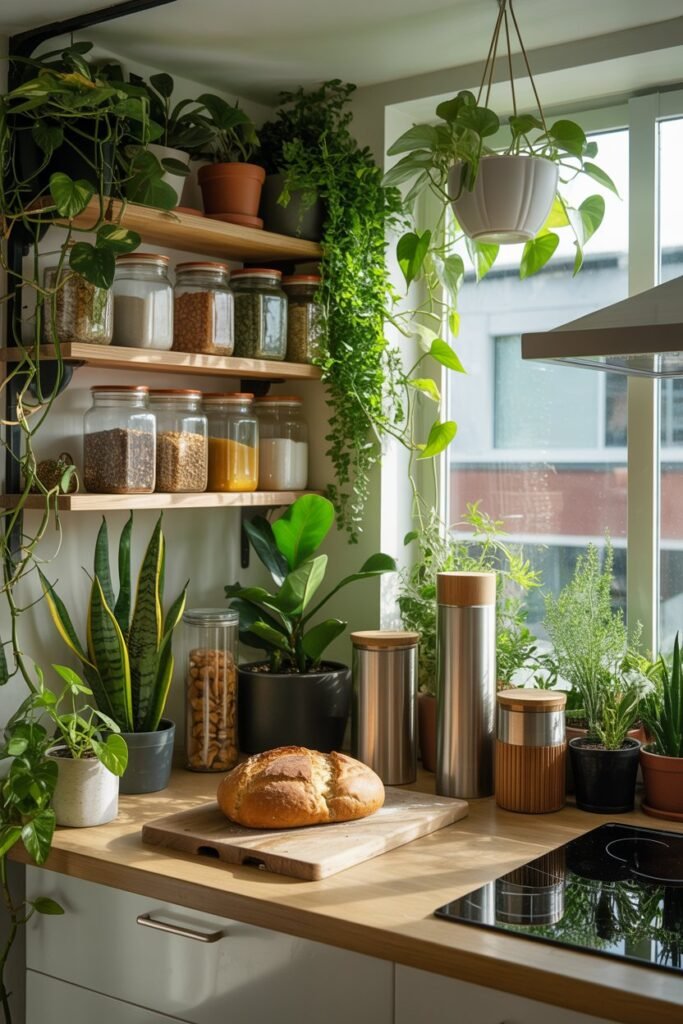
Apartment homesteading is the practice of applying simple homesteading and self-sufficiency habits while living in a small urban space.
Instead of focusing on large farms or livestock, apartment homesteading focuses on:
- Growing small amounts of food indoors
- Cooking more meals from scratch
- Reducing waste
- Learning practical life skills
- Saving money
- Becoming less dependent on stores
- Living more intentionally
- Creating sustainable daily habits
It is not about perfection.
You do not need to make everything yourself overnight. You also do not need a perfectly aesthetic apartment filled with expensive tools. Most people start with one small habit and slowly build from there.
Why More People Are Turning to Apartment Homesteading
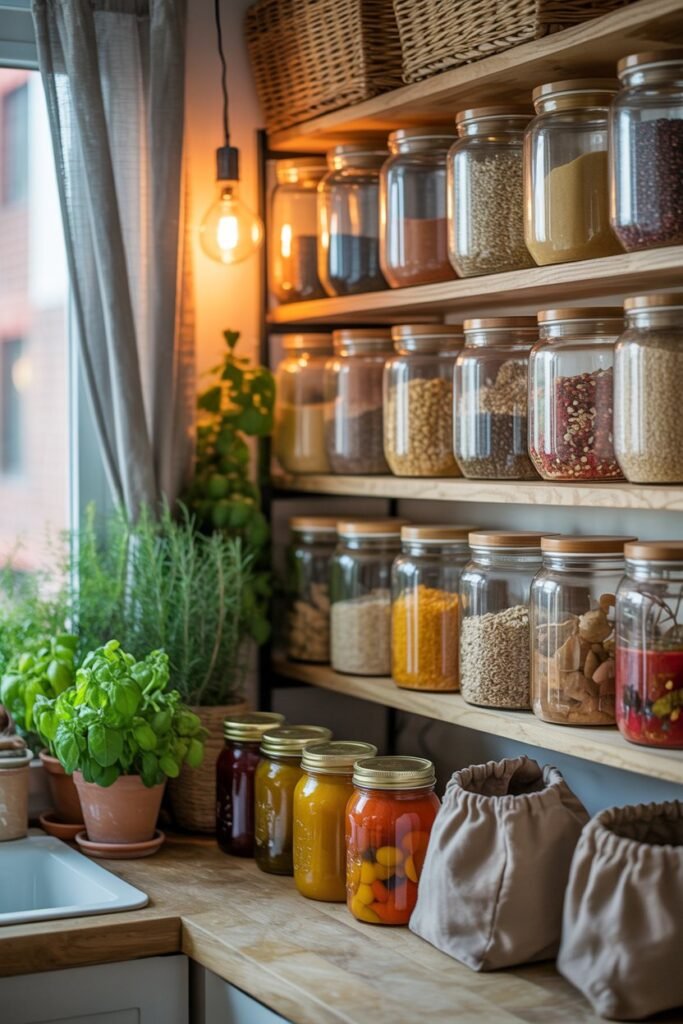
Over the last few years, many people have started looking for simpler ways to live. Grocery prices continue to rise, food quality has become more concerning, and many people feel overwhelmed by constant consumerism.
Apartment homesteading offers a practical alternative.
Some of the biggest benefits include:
- Lower grocery bills
- Less food waste
- Healthier eating habits
- Better emergency preparedness
- Reduced dependence on convenience foods
- More control over ingredients
- A calmer home environment
- Greater appreciation for simple living
- Useful long-term life skills
For me, one of the biggest benefits was feeling more capable. Even simple things like growing fresh herbs or learning how to bake bread made everyday life feel more grounded and rewarding.
The Biggest Mindset Shift Beginners Need
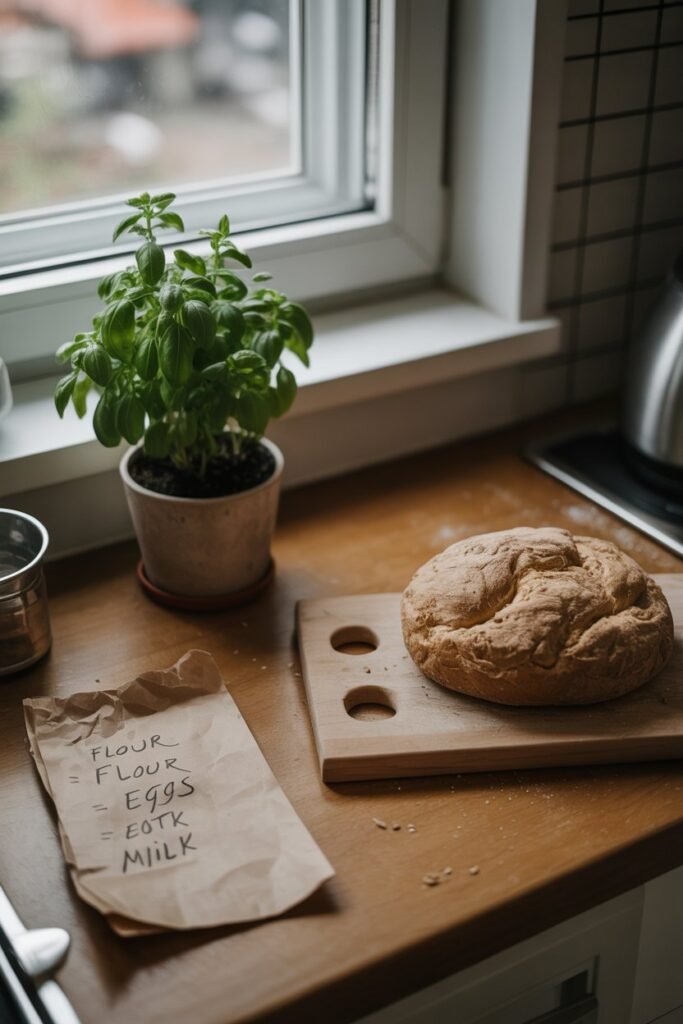
One mistake many beginners make is assuming homesteading has to be extreme.
It does not.
You do not need:
- A farm
- Animals
- A backyard
- Fancy equipment
- Huge amounts of money
- Hours of free time
Apartment homesteading works best when you focus on progress instead of perfection.
Small consistent habits matter more than dramatic lifestyle changes.
Start by asking:
“What is one thing I can make, grow, reduce, or learn this month?”
That simple question changes everything.
Simple Apartment Homesteading Ideas for Beginners
Apartment homesteading may look different from traditional country homesteading, but it can still help you live a more self-sufficient and intentional lifestyle.
From growing herbs indoors to cooking from scratch and reducing waste, there are many realistic ways to practice simple homesteading habits even in a small city apartment.
If you want to save money, rely less on convenience culture, and create a calmer home environment, these beginner-friendly apartment homesteading ideas are a great place to start.
1. Start Growing Herbs Indoors
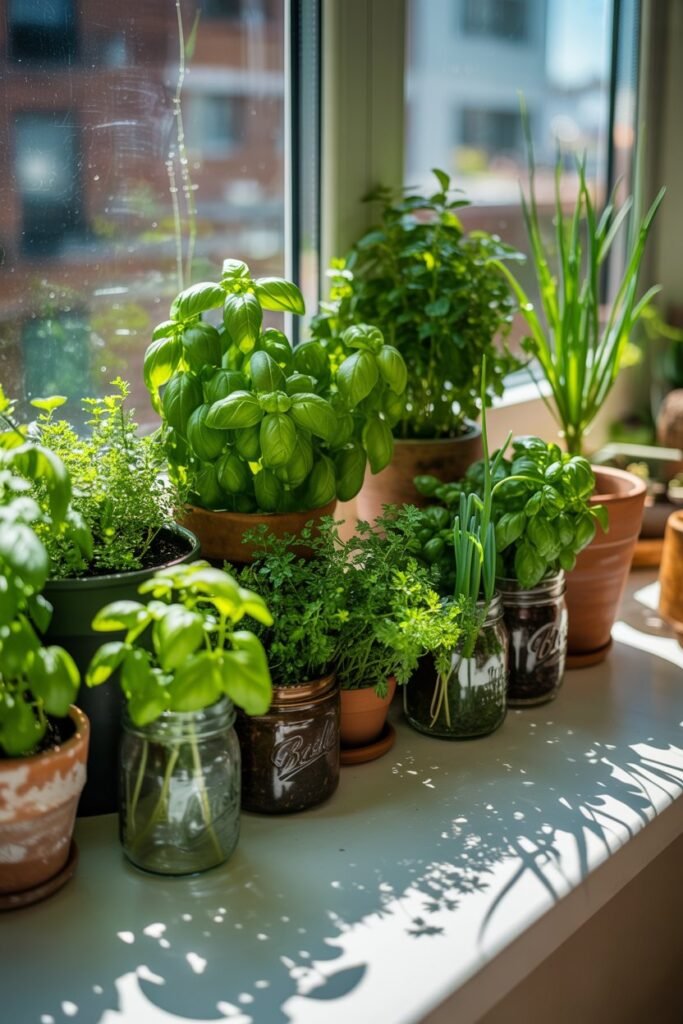
One of the easiest ways to begin apartment homesteading is by growing herbs indoors.
Herbs take up very little space, are beginner-friendly, and save money surprisingly fast. Fresh herbs also make homemade meals taste better instantly.
Some easy herbs for beginners include:
- Basil
- Mint
- Green onions
- Parsley
- Chives
- Thyme
- Cilantro
- Oregano
You can grow many herbs:
- On kitchen windowsills
- In small containers
- On floating shelves
- In hanging planters
- Under inexpensive grow lights
One of my favorite beginner tricks is regrowing green onions in water. Instead of throwing away the roots, place them in a jar with shallow water near sunlight. They regrow quickly and can be reused multiple times.
Small wins like this make apartment homesteading feel achievable.
2. Create a Small Emergency Pantry
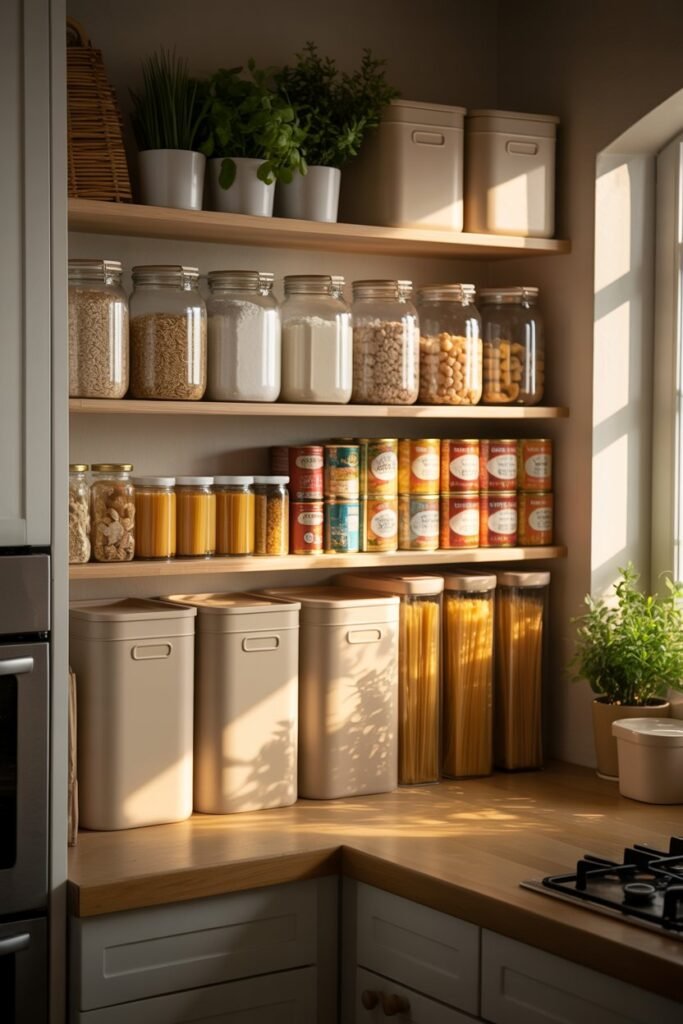
A self-sufficient lifestyle starts with learning how to store food intentionally.
You do not need an extreme survival pantry. Even a small emergency food setup can reduce stress, save money, and prevent unnecessary grocery runs.
Start by stocking:
- Rice
- Pasta
- Beans
- Oats
- Flour
- Salt
- Canned vegetables
- Canned tomatoes
- Broth
- Peanut butter
- Shelf-stable milk
- Dried lentils
Use airtight containers or glass jars to keep food fresh longer.
A small organized pantry also helps reduce waste because you can clearly see what you already have before shopping again.
3. Learn to Cook More Meals From Scratch
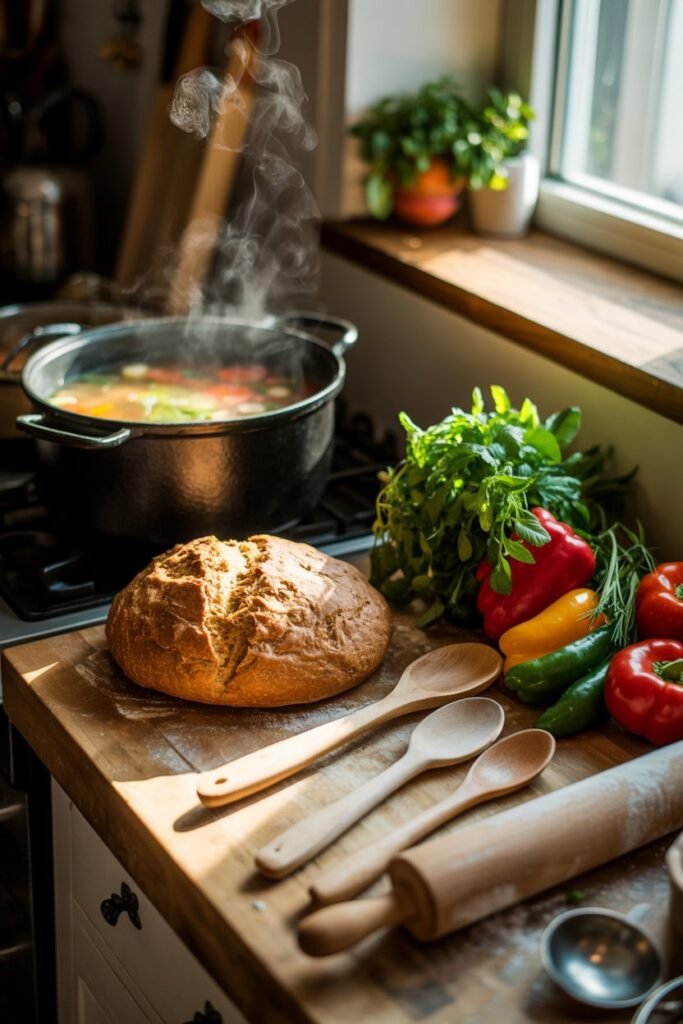
Cooking from scratch is one of the biggest parts of modern homesteading.
Many convenience foods are expensive, overly processed, and less filling than homemade meals.
You do not need complicated recipes to start.
Simple homemade basics include:
- Bread
- Soups
- Pasta sauces
- Pancakes
- Salad dressings
- Granola
- Yogurt
- Broth
- Smoothies
One thing I noticed after cooking more at home was how much less food we wasted. Leftovers became easier to reuse, and grocery shopping became more intentional.
Homemade meals also stretch ingredients further, especially when feeding a family.
4. Start Composting in a Small Apartment
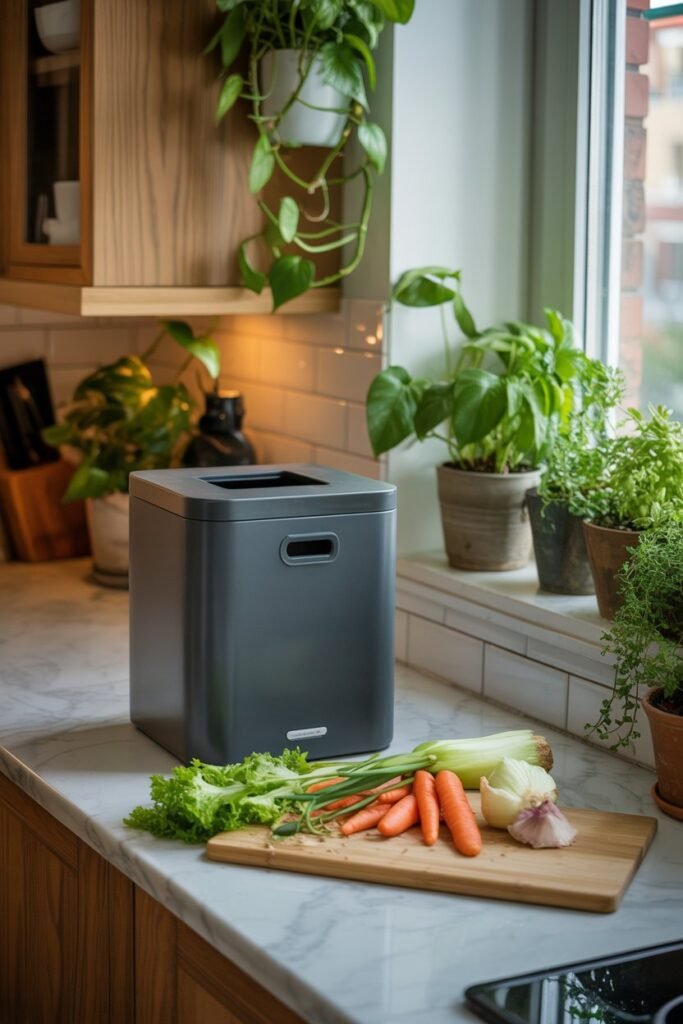
Many people assume composting only works outdoors, but small apartment composting systems are becoming much more common.
Composting helps reduce food waste while creating nutrient-rich soil for indoor plants.
Small-space composting options include:
- Countertop compost bins
- Bokashi composting
- Vermicomposting (worm bins)
- Freezer scrap storage
Even storing vegetable scraps for broth is a form of reducing waste.
If full composting feels overwhelming, simply focus on wasting less food first.
5. Reduce Reliance on Disposable Products
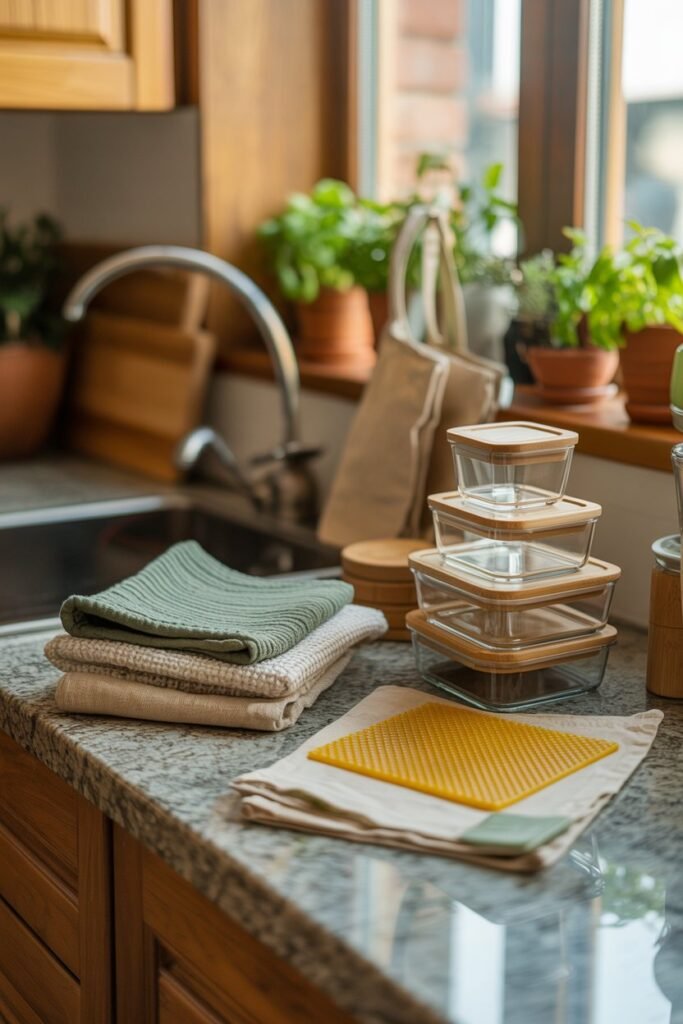
One major goal of apartment homesteading is reducing unnecessary consumption.
Small swaps can save money over time while creating less waste.
Simple reusable swaps include:
- Cloth napkins
- Reusable paper towels
- Glass food containers
- Refillable cleaning bottles
- Reusable grocery bags
- Beeswax wraps
- Reusable mop pads
You do not need to replace everything at once. Slowly replacing disposable products as they run out feels far more manageable.
6. Learn Basic Food Preservation Skills
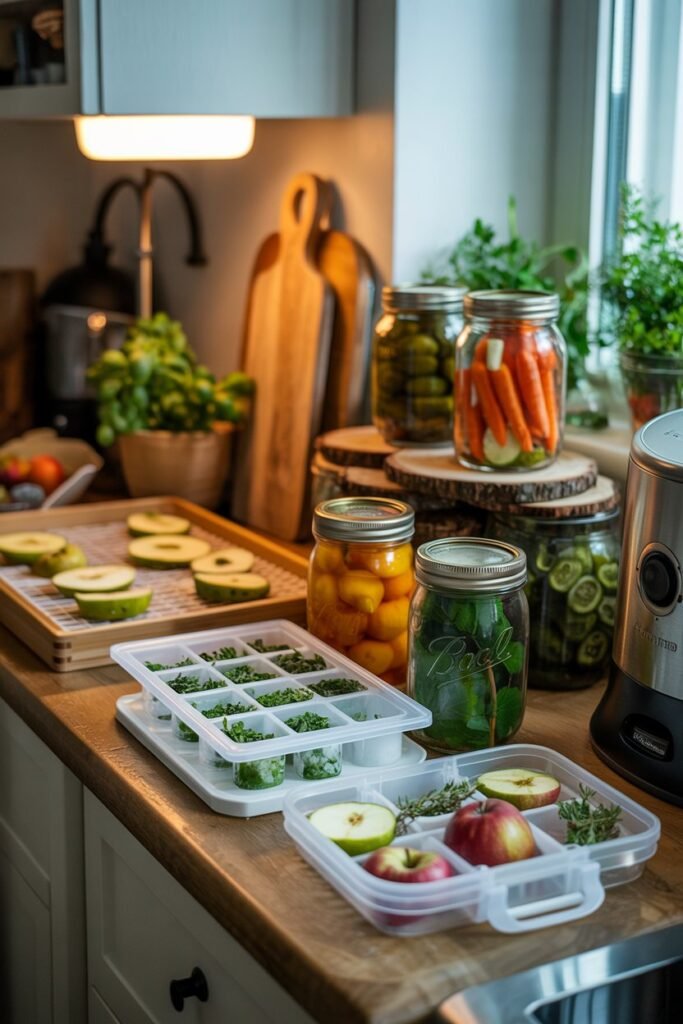
Food preservation is an important self-sufficiency skill, even in small apartments.
You may not have space for large-scale canning, but there are still many beginner-friendly preservation methods.
Easy options include:
- Freezing herbs in olive oil
- Dehydrating fruit
- Pickling vegetables
- Freezing soup portions
- Making freezer jam
- Storing dry goods properly
Preserving food reduces waste while helping groceries last longer.
It also helps during busy weeks when cooking from scratch every day feels difficult.
7. Build a Small Balcony Garden
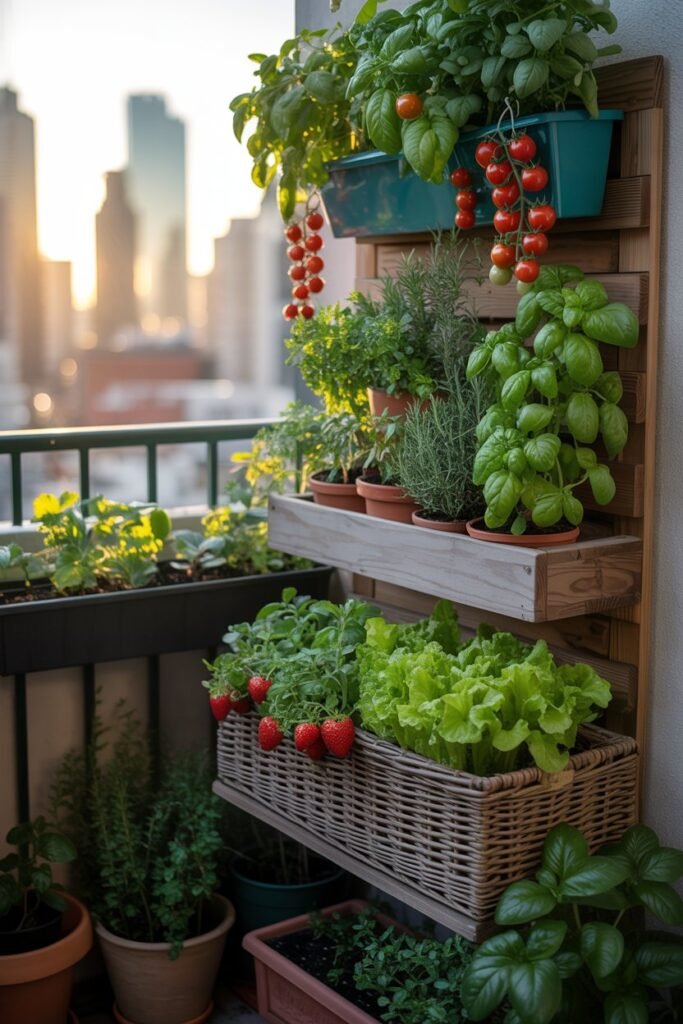
If your apartment has a balcony, even a tiny one, you have more growing space than you think.
Small balcony gardens can grow:
- Tomatoes
- Lettuce
- Peppers
- Strawberries
- Spinach
- Kale
- Cucumbers
- Herbs
Vertical planters and railing containers work especially well for apartments.
You do not need perfect gardening skills either. Most beginner gardeners learn through trial and error.
Even harvesting a few tomatoes yourself feels incredibly rewarding.
8. Make Homemade Cleaning Products
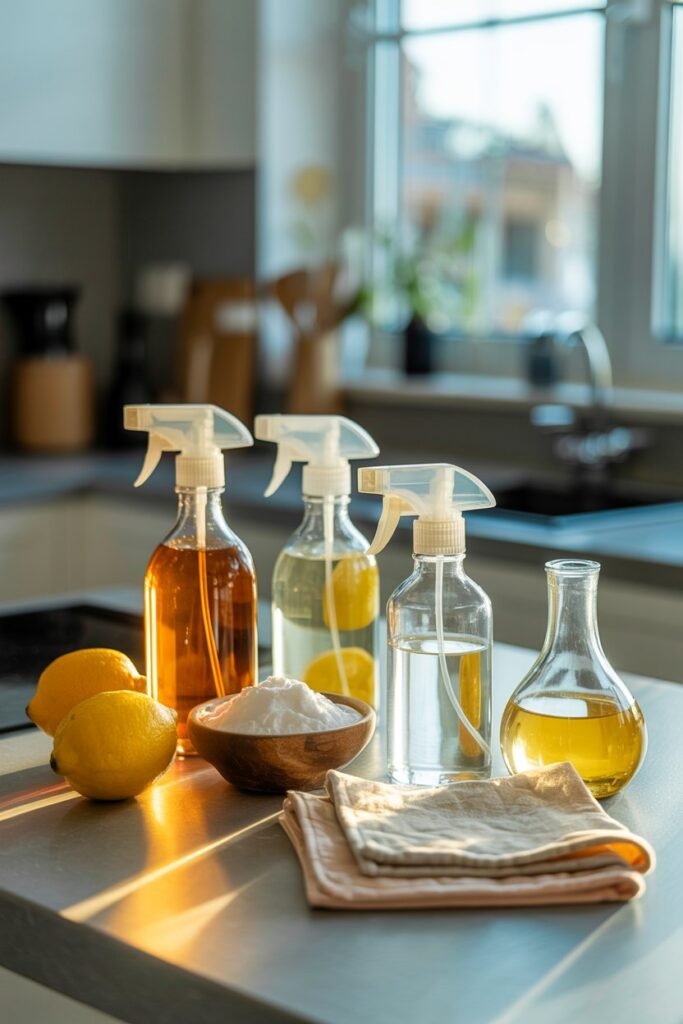
Homemade cleaning products are affordable, simple, and reduce exposure to harsh chemicals.
Some easy DIY cleaners include:
- Vinegar glass spray
- Baking soda scrub
- Lemon sink cleaner
- Essential oil room spray
Many homemade cleaners require only a few ingredients:
- White vinegar
- Baking soda
- Castile soap
- Lemon
- Essential oils
This was one of the easiest apartment homesteading habits for me because it simplified what I needed to buy constantly.
9. Practice Mindful Grocery Shopping
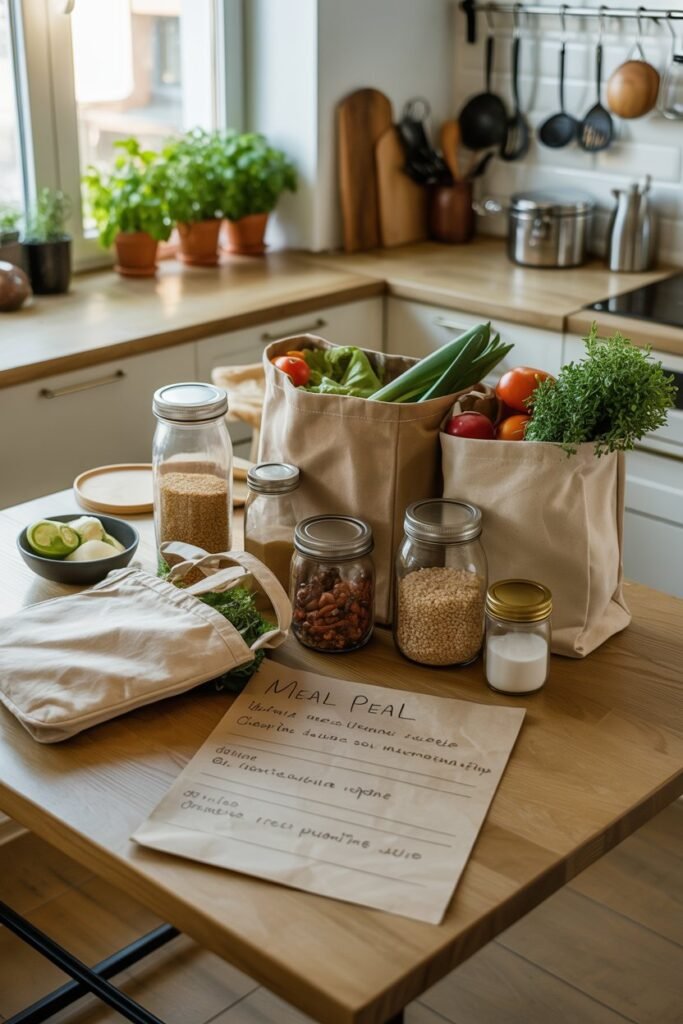
Self-sufficiency also means learning how to shop intentionally.
Many households waste money because they buy food without a clear plan.
Simple grocery habits that help:
- Meal planning
- Shopping with a list
- Buying versatile ingredients
- Using leftovers creatively
- Rotating pantry items
- Avoiding impulse purchases
One habit that helped me most was creating meals around what we already had instead of constantly buying more ingredients.
That single change reduced grocery waste dramatically.
10. Learn One New Practical Skill Every Month
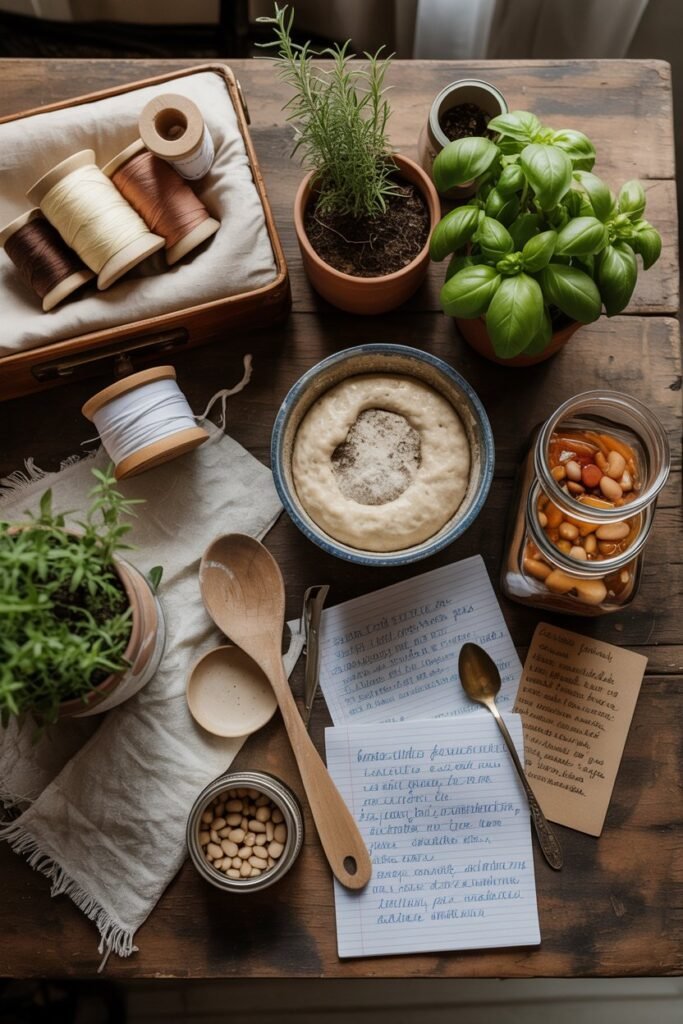
Apartment homesteading is really about building useful life skills slowly over time.
You do not need to master everything immediately.
Choose one skill each month, such as:
- Bread baking
- Sewing
- Herb gardening
- Fermenting
- Food storage
- DIY cleaners
- Basic repairs
- Candle making
- Indoor plant care
- Budgeting
These small skills build confidence and independence over time.
11. Create a Cozy and Functional Home
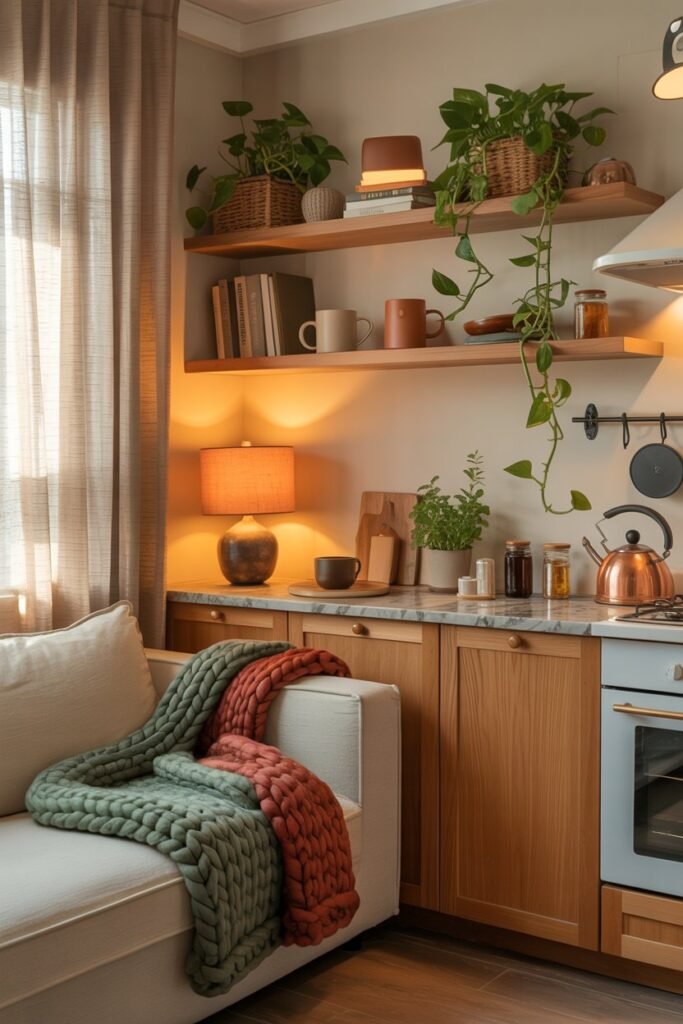
Homesteading is not just about food.
A peaceful home environment matters too.
Simple apartment homesteading often overlaps with:
- Minimalism
- Slow living
- Cozy homemaking
- Frugal living
- Sustainable habits
A calmer, organized apartment makes daily life easier and more enjoyable.
Some simple ideas:
- Declutter regularly
- Use multifunctional storage
- Keep frequently used tools accessible
- Create cozy cooking spaces
- Use natural light when possible
Small routines can make a tiny apartment feel far more comforting.
12. Save Seeds and Regrow Foods
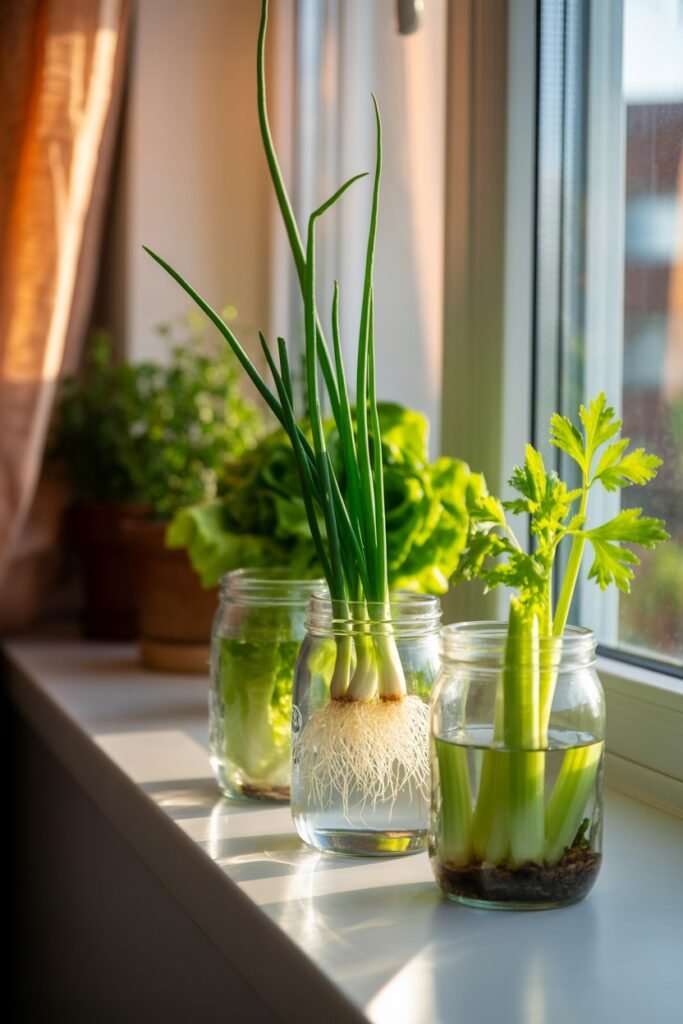
Regrowing food scraps is one of the easiest beginner homesteading skills.
You can regrow:
- Green onions
- Lettuce
- Celery
- Garlic greens
- Basil
- Leeks
Seed saving is another great habit.
Even learning how plants grow helps build a deeper appreciation for food.
13. Focus on Financial Self-Sufficiency Too
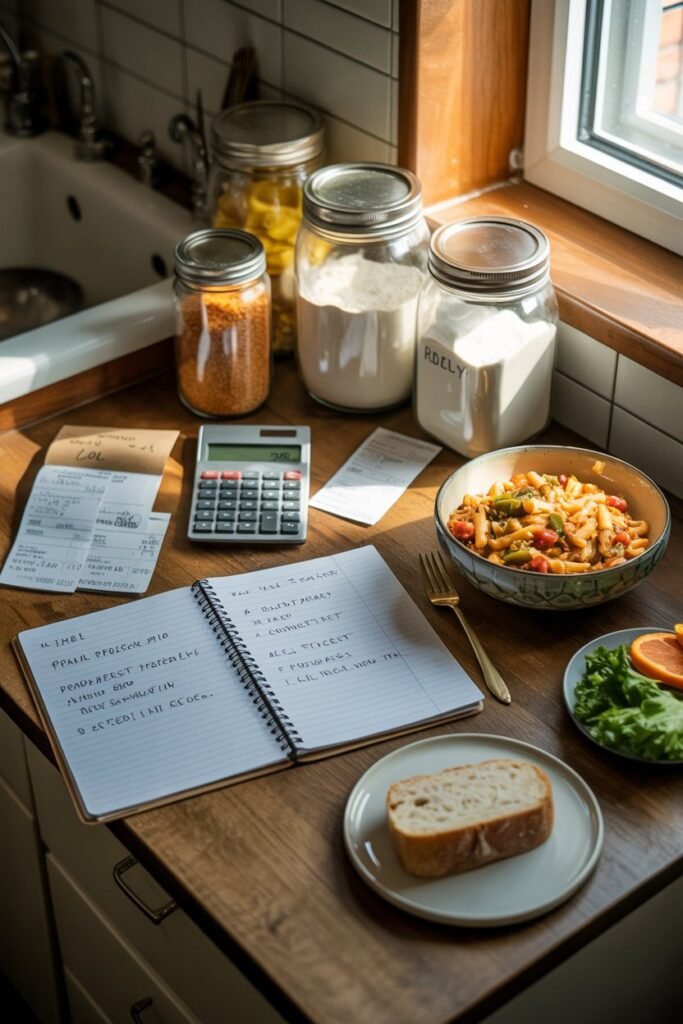
A large part of self-sufficient living is reducing unnecessary spending.
Apartment homesteading naturally supports financial goals because it encourages:
- Cooking at home
- Reducing waste
- Buying less
- Reusing items
- Repairing instead of replacing
You do not need to become fully off-grid to experience meaningful savings.
Small daily habits add up over time.
Common Mistakes Beginners Should Avoid
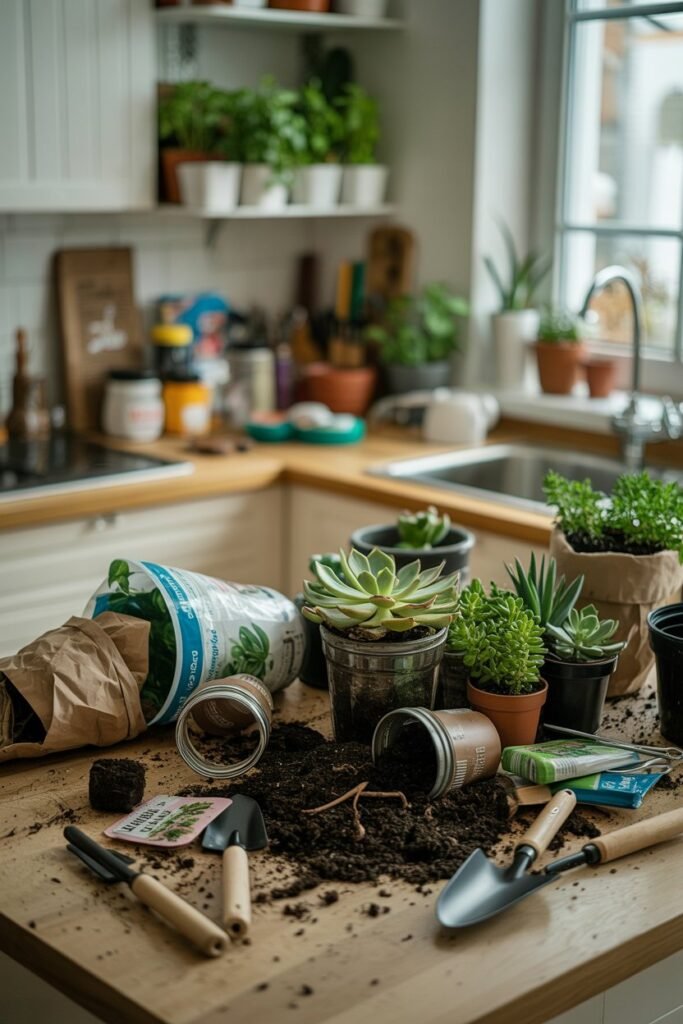
Trying to Do Everything at Once
This is the biggest mistake.
Many beginners get excited and attempt:
- Gardening
- Bread making
- Composting
- DIY products
- Decluttering
- Food preservation
…all at the same time.
That usually leads to burnout.
Start with one or two habits first.
Buying Too Much Equipment
You do not need expensive homesteading supplies immediately.
Start simple before investing heavily.
Many apartment homesteading skills require:
- Basic jars
- Containers
- Pots
- Simple kitchen tools
Use what you already have first.
Expecting Perfection
Plants die sometimes.
Bread fails sometimes.
Recipes flop sometimes.
That is normal.
Apartment homesteading is a learning process, not a performance.
Essential Apartment Homesteading Supplies for Beginners
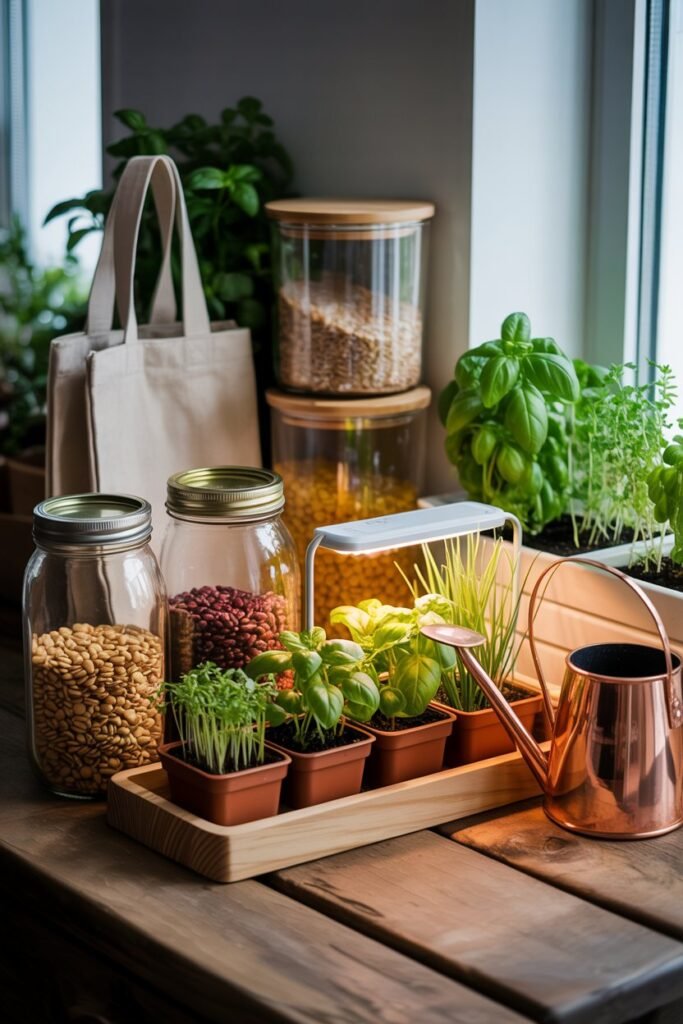
Helpful beginner tools include:
- Mason jars
- Herb planters
- Grow lights
- Airtight pantry containers
- Reusable storage bags
- Small compost bin
- Cast iron skillet
- Watering can
- Food storage baskets
- Seed starter trays
You can slowly build your setup over time instead of buying everything at once.
Apartment Homesteading FAQ
Can you really homestead in an apartment?
Yes. Apartment homesteading focuses on practical self-sufficiency habits adapted for small urban spaces.
What is the easiest apartment homesteading skill to start with?
Indoor herb gardening is usually the easiest and most beginner-friendly option.
Do I need a balcony for apartment homesteading?
No. Many apartment homesteading activities can be done completely indoors.
Is apartment homesteading expensive?
It can actually save money over time because it encourages cooking from scratch, reducing waste, and buying less.
How do I start apartment homesteading with no experience?
Start with one simple habit:
- Grow herbs
- Learn homemade bread
- Build a pantry
- Reduce food waste
Small steps work best.
Final Thoughts
Apartment homesteading taught me that self-sufficiency is not about perfection or living off-grid. It is about becoming more intentional with everyday life.
You do not need a farmhouse or acres of land to start creating a slower, more sustainable lifestyle.
Even in a small city apartment, you can:
- Grow food
- Learn useful skills
- Waste less
- Cook more
- Save money
- Build healthier habits
- Create a calmer home
The most important thing is simply starting.
One herb plant.
One homemade meal.
One new skill.
Those little habits slowly build a lifestyle that feels more grounded, capable, and fulfilling over time.