How to Live Beautifully on a Tight Budget.

If money felt tight, I felt tight. I walked through Target with anxiety instead of enjoyment.
I avoided dinner invitations because I didn’t want to overspend.
Even at home, I felt this quiet pressure — like I was failing because I couldn’t “upgrade” my life the way everyone else seemed to.
But here’s what I eventually realized:
I didn’t actually want more stuff.
I wanted to feel calm.
I wanted my home to feel peaceful.
I wanted to look put together.
I wanted to enjoy my days without financial guilt.
And none of those things require being rich.

Living beautifully on a tight budget isn’t about pretending money doesn’t matter.
It’s about learning how to create comfort, order, and intention with what you already have.
It’s about shifting from consumption to curation — from chasing trends to building a life that feels steady and aligned.
If you’re in a season where every dollar counts, this isn’t about restriction. It’s about strategy.
It’s about redefining what beautiful living truly means — and building it in a way that protects your peace and your finances at the same time.
1. Redefine What “Living Beautifully” Actually Means

For a long time, I confused beautiful living with expensive living.
I thought it meant:
New furniture.
Frequent vacations.
Aesthetic kitchen appliances.
Closets that looked like influencer reels.
But when I stepped back, I realized something uncomfortable — most of what I wanted wasn’t about ownership. It was about how I wanted to feel.
Calm.
Put together.
In control.
Proud of my space.
Beautiful living is emotional, not financial.
When you define beauty as:
- Clean instead of new
- Organized instead of upgraded
- Intentional instead of trendy
You immediately remove pressure from your budget.
The first shift is mental. Everything else builds from there.
2. Create a Home That Feels Peaceful (Not Expensive)

When money is tight, it’s easy to feel like your home reflects your limitations.
I used to walk into my living room and immediately see what I didn’t have — the outdated couch, the scratched table, the decor I couldn’t afford to replace.
I thought if I could just “upgrade” the space, I would feel better.
But what I actually needed wasn’t new furniture.
I needed order.
There’s something powerful about realizing that peace is not purchased — it’s maintained.
The first thing that changed everything for me was a deep reset. I decluttered aggressively. If I didn’t use it, love it, or need it, it left.
Visual clutter creates mental clutter. And when finances already feel stressful, the last thing your nervous system needs is chaos at home.
Then I focused on five simple upgrades that cost little to nothing:
1. Clean like it’s non-negotiable.
Clean floors, wiped counters, fresh-smelling rooms — this alone elevates a space more than decor ever could. Clean feels intentional.
2. Improve lighting.
Harsh overhead lights make everything look colder and cheaper. Warm lamps create softness instantly. Lighting changes mood faster than any furniture swap.
3. Make the bed every morning.
It sounds basic, but walking into a neatly made bed at night feels grounding. It signals stability.
4. Keep surfaces clear.
Clear kitchen counters. Organized entryway. Minimal coffee table items. Simplicity looks expensive because it feels curated.
5. Rearrange before you replace.
I’ve moved furniture around more times than I can count. Sometimes a new layout makes the room feel completely refreshed — without spending a dollar.
Here’s something I learned the hard way:
When you’re constantly trying to upgrade your environment, you stay in a mindset of lack.
But when you care for what you already have, you shift into ownership and gratitude.
A peaceful home is less about square footage and more about atmosphere.
3. Audit Your Spending Without Shame (This Is Where Everything Changes)

This was the hardest step for me — not because it was complicated, but because it was confronting.
When money felt tight, I avoided looking at it closely. I told myself I was “being careful,” but I wasn’t being strategic. I was just reacting.
So one Sunday afternoon, I did something uncomfortable.
I printed my bank statements.
And instead of judging myself, I studied them.
Here’s what I noticed:
- I spent more on convenience than I realized.
- Small “treat” purchases were adding up quickly.
- Subscription charges were quietly draining money.
- I shopped most when I felt overwhelmed or stressed.
That’s when I understood something important:
Overspending is often emotional, not mathematical.
Most people don’t need a stricter budget.
They need emotional awareness.
If you want to live beautifully on a tight budget, you have to separate:
Needs
Habits
Emotional impulses
Ask yourself:
- Am I buying this because I need it?
- Am I buying this because I’m bored?
- Am I buying this because I saw someone else with it?
There is no shame in past spending. Only data.
When you treat your spending like information instead of failure, you gain power.
A practical method that helped me:
- Track spending for 30 days.
- Categorize it honestly.
- Highlight what genuinely improved your life.
- Circle what didn’t.
Then adjust.
Not drastically.
Not dramatically.
Just intentionally.
Financial peace doesn’t come from restriction.
It comes from awareness and alignment.
4. Build a Simple, Elevated Wardrobe (Without Buying More)

There was a time I believed I needed “more clothes” to look put together.
But what I really needed was clarity.
When money is tight, wardrobe spending can quietly become emotional spending. You want to feel new. Refreshed. Confident.
But confidence rarely comes from quantity.
It comes from cohesion.
So I stopped chasing trends and started asking better questions:
- Does this fit well?
- Does this match at least three other pieces I own?
- Will I wear this repeatedly?
- Does this reflect my actual lifestyle?
I built what’s often called a capsule wardrobe — but in practical terms, it just means fewer pieces that work together.
Here’s what made the biggest impact:
Neutral basics (black, white, beige, denim).
Clothing tailored to my real life, not my fantasy life.
Quality over quantity.
Keeping everything clean, ironed, and maintained.
I also stopped “replacing boredom” with shopping.
Instead of browsing online stores, I:
- Restyled pieces differently.
- Layered items creatively.
- Added simple accessories.
- Focused on grooming (hair, skincare, posture).
Looking polished is often about care, not cost.
A well-fitted, clean outfit always looks more elevated than a trendy but poorly styled one.
And here’s something no one talks about:
When your wardrobe is simplified, decision fatigue decreases.
You feel calmer.
You move faster.
You spend less.
That’s not just financial improvement — that’s mental clarity.
Living beautifully isn’t about owning more.
It’s about curating what you already have and wearing it with intention.
5. Treat Cooking Like a Financial Superpower

Food is one of the fastest ways to either stabilize your budget or quietly sabotage it.
There was a time when I told myself I “didn’t have time” to cook.
I was tired. Busy. Overstimulated. Ordering takeout felt easier than planning meals.
But when I finally added up what we were spending on convenience food, I realized something: I wasn’t paying for the meal — I was paying to avoid planning.
So I changed my approach.
Instead of seeing cooking as a chore, I started treating it like a life skill that protects my peace and my finances.
Here’s what made the biggest difference:
1. I created a small rotation of reliable meals.
Five to seven dinners that are affordable, simple, and repeatable. Decision fatigue disappeared. Grocery spending stabilized.
2. I batch-prepped basics.
Cooked protein. Washed vegetables. Prepped rice or potatoes. When the building blocks are ready, you’re less likely to overspend.
3. I grocery shopped with a strict list.
No wandering aisles. No emotional snack grabs. Structure saves money.
4. I elevated the experience at home.
Music while cooking. Candles at dinner. Plating food neatly. Sitting down instead of eating standing up.
That last one changed everything.
A home-cooked meal doesn’t feel “budget” when it’s intentional. It feels grounding.
The truth is, cooking is not just about saving money. It builds discipline, stability, and self-reliance.
And when you know you can feed yourself well — without relying on convenience — you feel powerful in a quiet, steady way.
That’s beautiful living.
6. Stop Performing Wealth for Other People

This one is subtle but transformative.
Many of us don’t overspend because we love things.
We overspend because we don’t want to look like we’re struggling.
Social media makes it worse. Constant vacations. New cars. Perfect kitchens. Weekly shopping hauls.
It creates pressure to “keep up” — even when keeping up means going into debt or draining savings.
I had to ask myself a hard question:
Who am I trying to impress?
Once I became honest about that, my spending shifted immediately.
Living beautifully on a tight budget requires emotional maturity. It means being willing to say:
“That’s not in my budget right now.”
“I’m prioritizing other goals.”
“I’m in a building season.”
There is nothing embarrassing about financial discipline.
In fact, there is something deeply confident about it.
When you stop performing success and start building it quietly, your energy changes. You make decisions from stability instead of comparison.
And here’s the irony:
The people who look the most “put together” financially are often the ones living within their means — not the ones broadcasting luxury.
Beautiful living isn’t about proving anything.
It’s about protecting your future while enjoying your present.
That balance — that calm, intentional restraint — is a form of wealth on its own.
7. Build Daily Rituals That Feel Luxurious (But Cost Nothing)

For a long time, I thought luxury meant upgrades.
Better couch.
Better car.
Better neighborhood.
But what I was actually craving was rhythm.
When your days feel chaotic, everything feels lacking — even if you buy something new.
But when your days feel structured and intentional, even ordinary moments feel elevated.
I started creating small daily rituals that cost nothing but changed everything.
Morning quiet before the house wakes up.
Opening the windows for fresh air.
Making coffee slowly instead of rushing it.
Wiping down counters before bed.
Showering without scrolling my phone.
Putting on real clothes, even when staying home.
None of these required money.
But they required presence.
There’s something powerful about treating your everyday life as worthy of care — not just special occasions.
Luxury is often consistency.
When your mornings begin calmly and your evenings close intentionally, you start feeling stable. And stability creates a sense of abundance that has nothing to do with income.
If you want to live beautifully on a tight budget, protect your routines. They shape your emotional experience more than purchases ever will.
8. Focus on Financial Progress, Not Financial Perfection

One mistake I made early on was thinking I had to “fix everything” at once.
Cut all unnecessary spending.
Save aggressively.
Never slip up.
Never indulge.
That mindset led to burnout.
Living beautifully on a tight budget isn’t about rigid restriction. It’s about steady progress.
Here’s what works better:
Small savings goals.
Gradual debt payoff.
Intentional spending categories.
Room for occasional joy.
When you track progress — even small progress — your confidence grows.
Saving $100 consistently feels better than promising to save $1,000 and quitting.
Paying off one small bill builds more momentum than obsessing over the total.
Financial growth is psychological as much as mathematical.
If you constantly feel behind, you’ll act from scarcity.
If you acknowledge progress, you’ll act from control.
And control is calming.
You don’t need to be perfect with money to live beautifully.
You just need direction.
A clear plan.
Steady habits.
And the patience to build slowly.
That’s how a tight budget turns into long-term stability — without sacrificing the quality of your daily life.
9. If You Want to Start Today, Do This
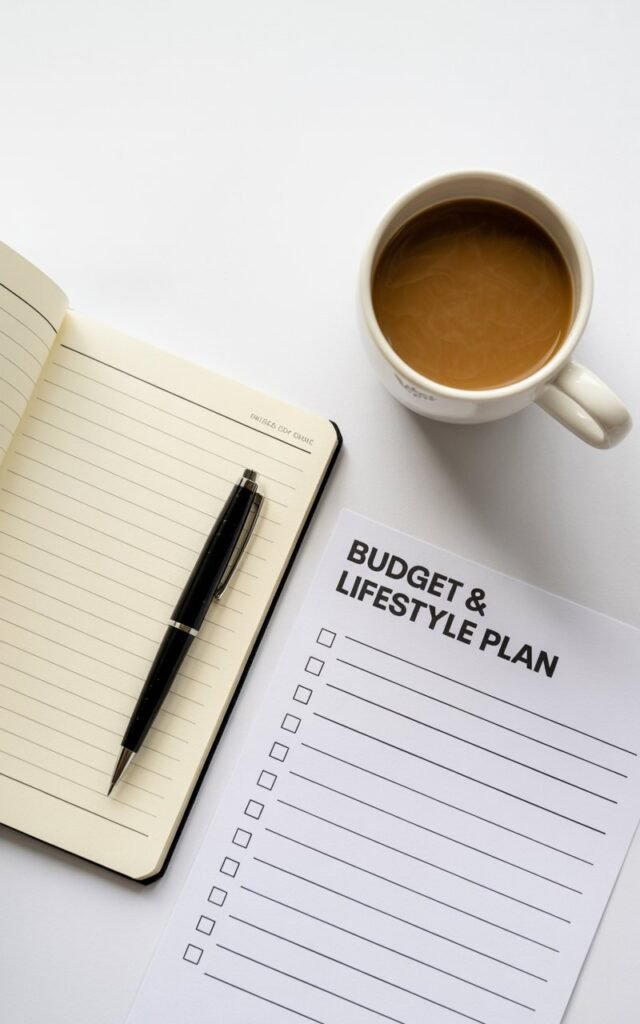
If your budget feels tight right now, don’t try to change everything at once.
Start small. Start steady.
This week:
- Deep clean one space in your home.
- Plan five affordable meals and shop with a list.
- Cancel one unnecessary subscription.
- Rearrange one room instead of buying something new.
- Create one small daily ritual you’ll keep.
That’s it.
Beautiful living is built through repetition — not dramatic resets.
Small, controlled changes compound faster than emotional overhauls.
10. A Strong Reflective Conclusion (Emotional + Empowering)
This is where you reinforce your authority and leave them inspired.
You could close with something like:
There is a quiet confidence that comes from living within your means.
From knowing your bills are handled.
From enjoying your home without debt attached to it.
From wearing clothes you own fully.
From cooking meals that nourish you without guilt.
Living beautifully on a tight budget is not about pretending money doesn’t matter.
It’s about refusing to let money control your joy.
You don’t need luxury to feel elevated.
You need clarity.
You need discipline.
You need intention.
And once you build those habits, your life starts to feel rich — even before your income increases.
That’s the real upgrade.