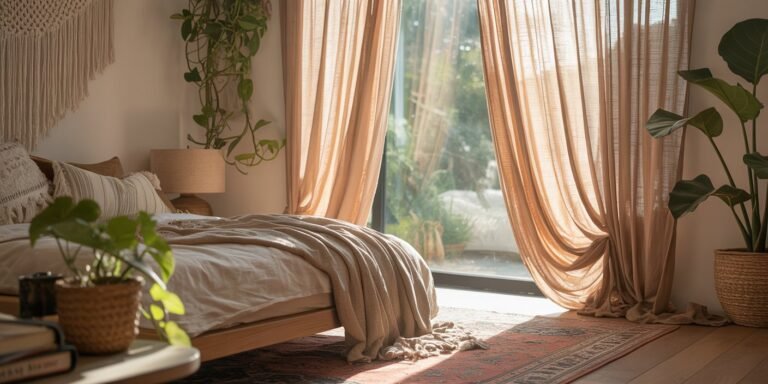
How I Transformed a Tiny Bedroom Corner into a Stylish Home Office
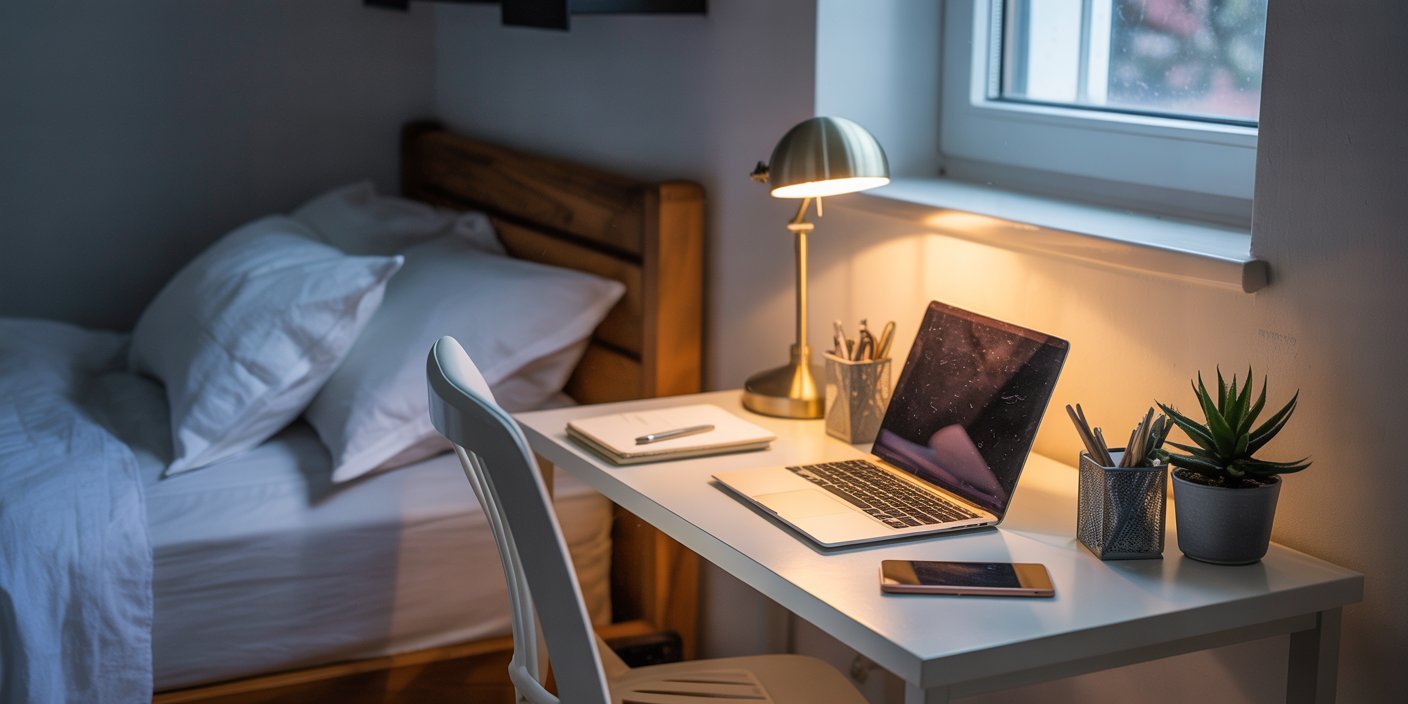
Working from home has become a part of our daily lives, and creating a workspace that’s functional, inspiring, and cozy can make a huge difference in productivity.
Recently, I decided to transform a tiny corner of my bedroom into a home office workstation.
I wanted it to feel like my own little sanctuary—a space where I could focus, work comfortably, and stay organized—without spending a fortune or making permanent changes.
In this post, I’m sharing exactly how I created a beautiful, budget-friendly, and practical home office corner using simple items I already had at home.
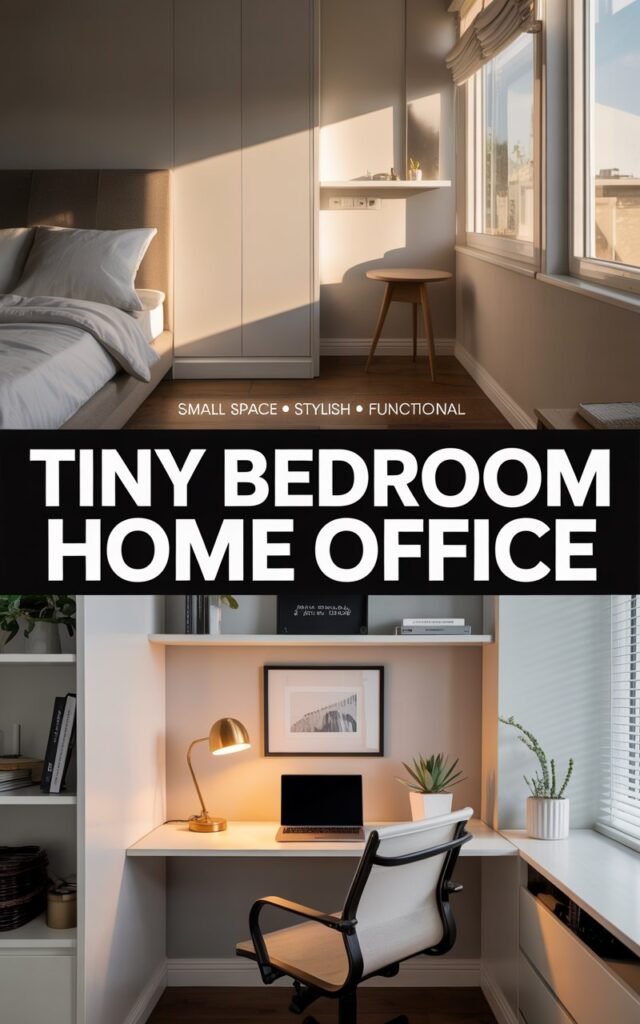
These tips will help you design a workspace that’s stylish, functional, and completely customized to your needs.
Step 1: Pick the Perfect Location
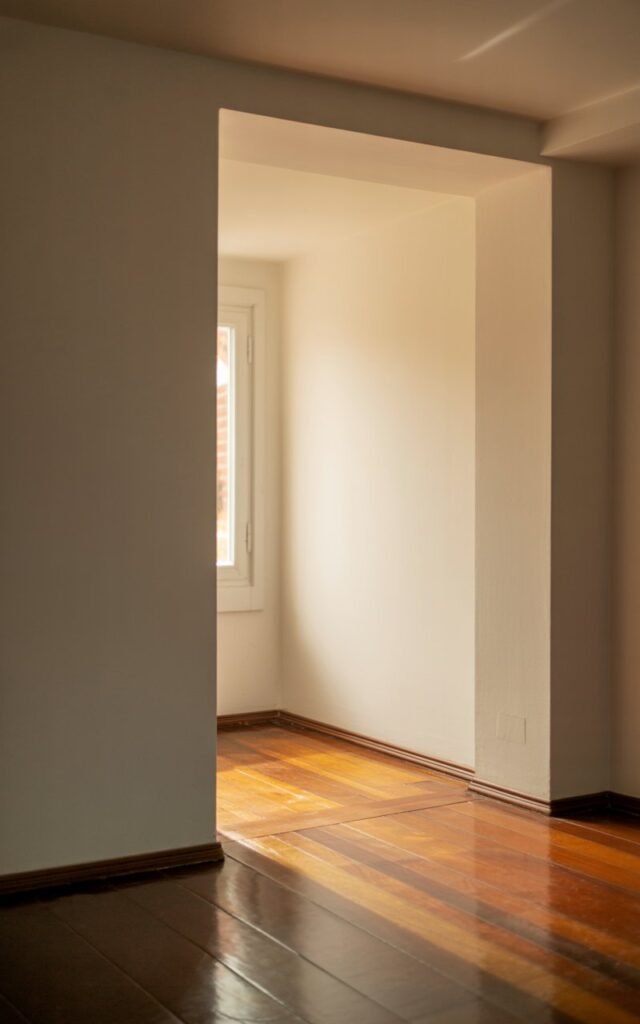
The first step in creating a home office is choosing the right spot.
For me, this tiny corner in my bedroom was perfect because:
- It has plenty of natural light.
- Outlets are conveniently nearby.
- I can close the door and eliminate distractions.
Tips for choosing your space:
- Look for a corner near a window or wall.
- Consider turning a small closet or unused nook into a workstation.
- Choose a quiet area where you can focus without interruptions.
Finding a location that feels separate from the rest of your home is key, even if it’s just a small corner.
Step 2: Define the Space with a Rug
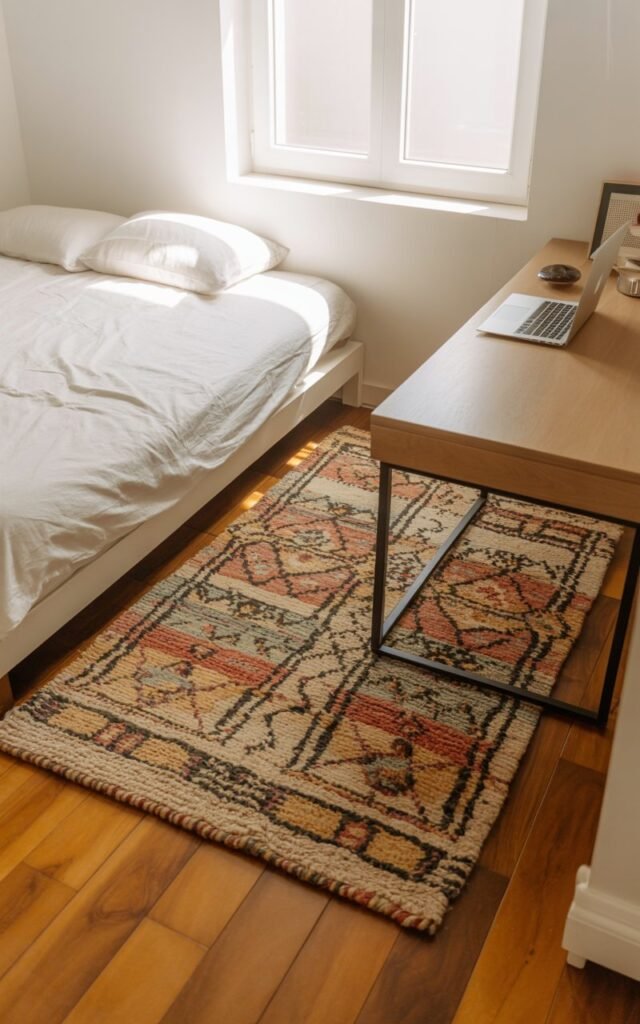
One of the easiest ways to make a small corner feel intentional is by adding a rug or floor mat.
I had a rug lying around, so I placed it in the corner, and it instantly made the area feel like a dedicated workspace.
Even a small rug helps:
- Visually define the workspace.
- Make the area feel cozy and welcoming.
- Separate your office corner from the rest of your room.
Step 3: Add a Functional Desk
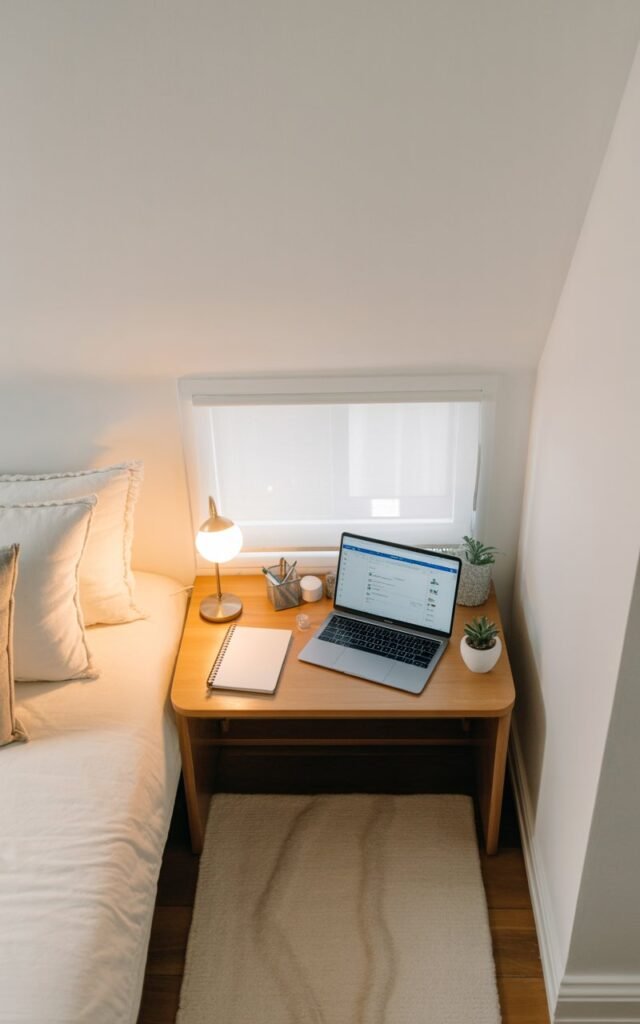
You don’t need a large, expensive desk to create a home office.
I used a fold-out, height-adjustable table that fits perfectly in my corner. Here’s why it worked for me:
- Compact size fits a small corner.
- Adjustable height for comfort.
- Foldable and easy to store when not in use.
This type of desk is perfect for laptops, notebooks, and any small office essentials.
If space is limited, a foldable or portable desk is a smart, practical solution.
Step 4: Upgrade Your Desk with a Quick Hack
To make my desk look more polished, I added marble contact paper to the tabletop.
It’s an inexpensive peel-and-stick solution that instantly elevates the look of a basic desk.
Alternative ideas if you don’t have contact paper:
- Use a tablecloth or placemat.
- Layer a decorative tray on top of the desk.
- Add a small cutting board or decorative mat as a workspace surface.
Even small updates can make a huge difference in how inviting and functional your workspace feels.
Step 5: Lighting is Key
Good lighting makes any workspace more productive and pleasant. I added a small table lamp that:
- Provides enough light for evening work.
- Creates a cozy and calm atmosphere.
- Doesn’t take up too much space.
If your desk isn’t near a window, consider small LED lamps, clip-on lights, or even battery-powered options. Lighting helps set the mood and makes your space feel more intentional.
Step 6: Organize Your Desk
A clutter-free desk is essential for productivity. Here’s how I kept mine tidy and functional:
- Used a wooden riser for pens, markers, and USBs.
- Placed a notepad under the riser for extra storage.
- Added a faux succulent for a pop of color.
- Included a woven trash basket beneath the desk.
- Added an iPhone holder for Zoom calls and video chats.
You can use simple items around your home, like mugs, jars, or small trays, to keep your supplies organized and accessible.
Step 7: Add Personal Touches
To make my corner feel unique and inspiring, I added:
- A framed to-do list that doubles as decor and a dry-erase board.
- A macrame hanging plant for texture and warmth.
- A comfortable chair with a pillow for seating.
Personal touches like plants, photos, or decorative items make your workspace enjoyable and motivate you to spend time there.
Step 8: Ensure Practicality
Even in a small space, functionality is essential:
- Plug in a power strip for your laptop and chargers.
- Keep essentials like pens, notebooks, and phone holders within reach.
- Consider stacking storage or risers to create extra surface space.
I designed my workstation so everything I need is in one spot, reducing clutter and increasing efficiency.
Step 9: Keep It Flexible
Since I didn’t want permanent changes:
- My foldable desk hides behind a dresser when not in use.
- Frames and decor lean against walls instead of using nails.
- Accessories are lightweight and movable.
This approach allows flexibility while still creating a stylish corner that fits my bedroom aesthetic.
Step 10: Enjoy Your Home Office Corner
At the end of the day, my tiny bedroom corner now feels like a proper home office:
- It has its own rug, lighting, and decor.
- Everything is functional and organized.
- It feels comfortable, cozy, and productive.
This proves that you don’t need a large office or expensive furniture to create a workspace. With some creativity, even a small corner can become a space you love working in.
Final Tips for Your Own Home Office Corner
- Use items you already have at home.
- Add small personal touches to make it inspiring.
- Keep your desk tidy and organized.
- Choose a corner with natural light or add lamps.
- Make the space flexible for temporary setups.
With just a few simple adjustments, you can create a stylish, functional, and enjoyable workspace that fits perfectly in your home.