How I Created a Minimalist Wardrobe and Simplified My Closet
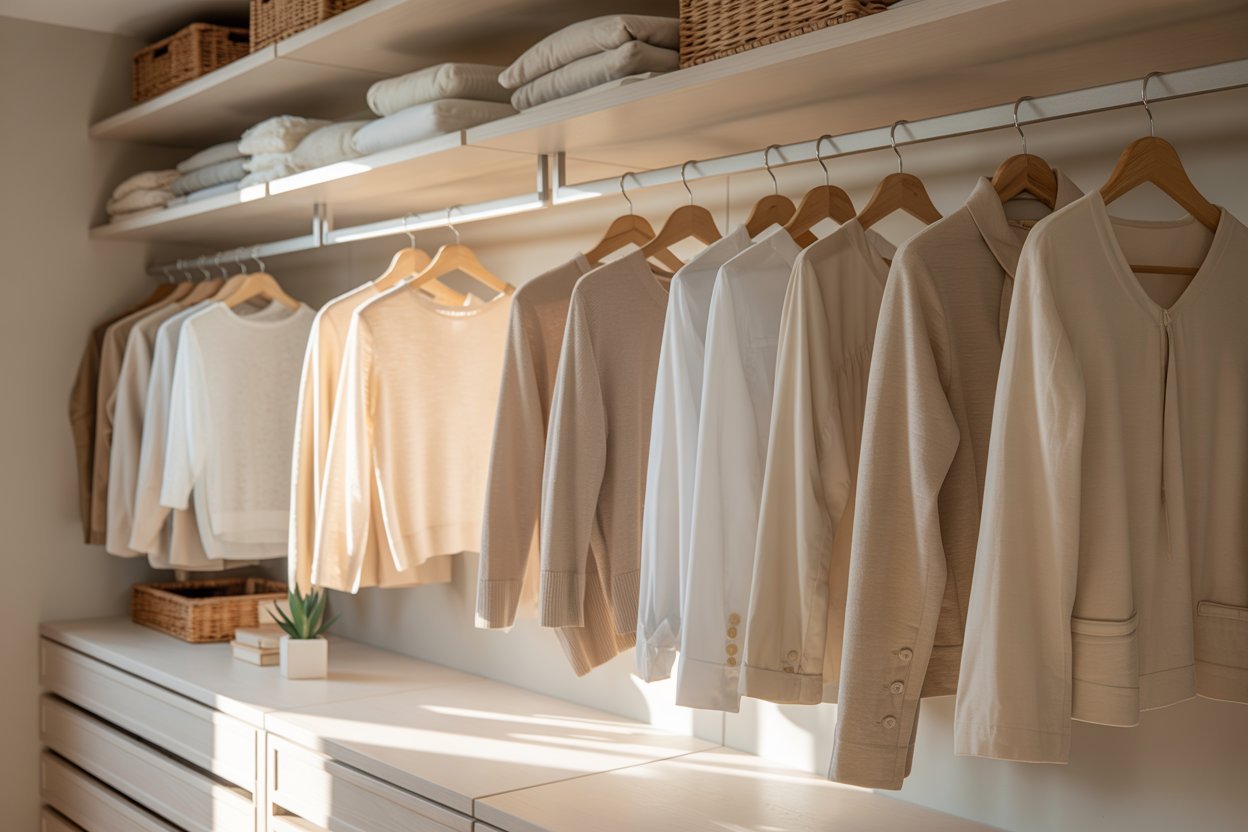
I used to feel like I had a closet full of clothes but still nothing to wear.
Every morning became frustrating because my wardrobe felt cluttered, unorganized, and filled with pieces I barely used.
That’s when I decided to try creating a minimalist capsule wardrobe, and honestly, it completely changed how I get dressed every day.
Instead of buying random trendy pieces, I started focusing on versatile clothing that matched easily, felt comfortable, and actually fit my lifestyle.
What surprised me most was how much easier everything became. Getting dressed took less time, my closet looked cleaner, and I stopped wasting money on clothes I never wore.
The good news is that building a capsule wardrobe doesn’t mean throwing everything away or wearing boring outfits.
It’s simply about creating a smaller collection of clothes that work well together and make daily life easier.
Disclaimer: This post may contain affiliate links, which means I may earn a small commission at no extra cost to you. Organization methods vary by lifestyle, space, and personal preferences. Choose storage solutions that best fit your needs and available closet space.
Amazon Shopping List: How I Created a Minimalist Wardrobe and Simplified My Closet
- Slim Velvet Hangers (Space-Saving Closet Hangers)
- Under-Bed Storage Containers with Lids
- Closet Shelf Dividers
- Foldable Fabric Storage Cubes
- Clothing Storage Bags (Seasonal Organization)
- Drawer Organizer Divider Set
- Full-Length Mirror for Outfit Planning
What Is a Minimalist Capsule Wardrobe?
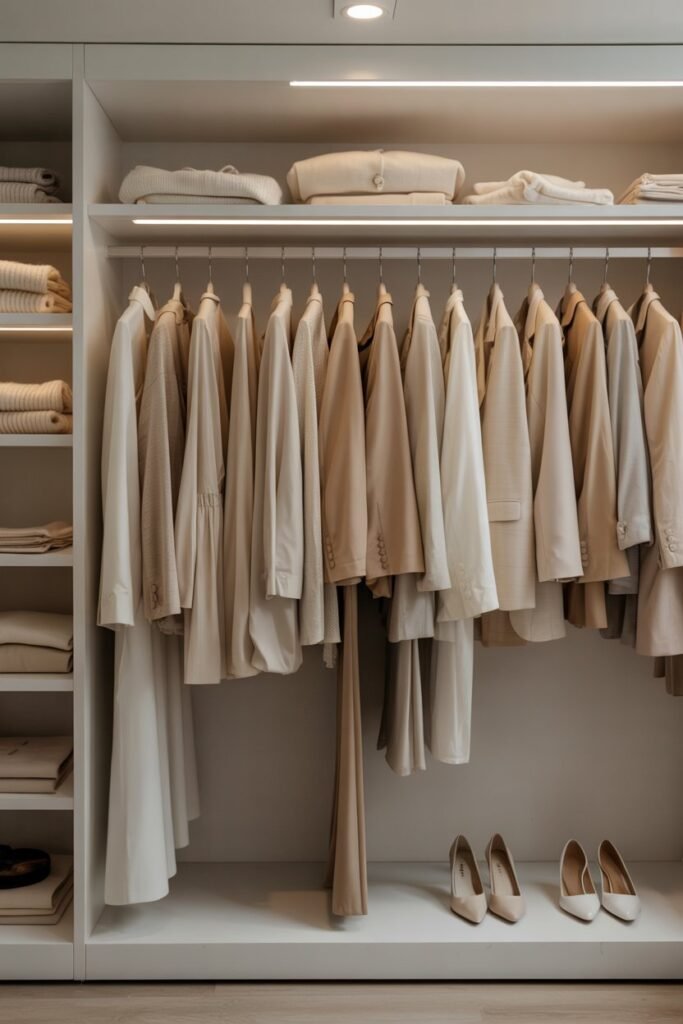
A capsule wardrobe is a carefully chosen collection of essential clothing pieces that can be mixed and matched easily.
Instead of owning too many unnecessary items, you focus on:
- Neutral basics
- Timeless pieces
- Comfortable everyday outfits
- Clothing that works together
- Quality over quantity
The goal is to simplify your wardrobe while still having plenty of outfit options.
Why I Decided to Create One
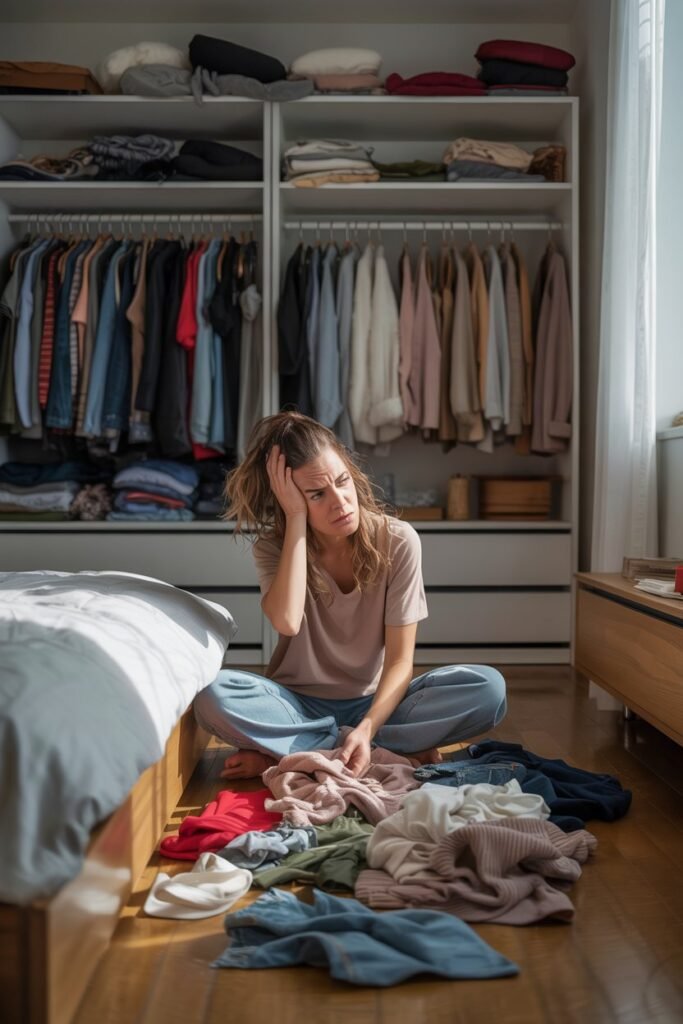
I realized I was constantly:
- Buying clothes I didn’t need
- Wearing the same few outfits anyway
- Feeling overwhelmed by closet clutter
- Wasting time choosing outfits
Creating a minimalist wardrobe helped me feel more organized and intentional with my clothing choices.
Here’s How to Create a Minimalist Capsule Wardrobe
Creating a minimalist capsule wardrobe doesn’t have to feel overwhelming or restrictive.
The goal isn’t to own as little as possible it’s to build a closet filled with versatile pieces you genuinely love wearing.
These simple steps helped me simplify my wardrobe, reduce clutter, and make getting dressed every day so much easier.
1. Clean Out Your Closet First
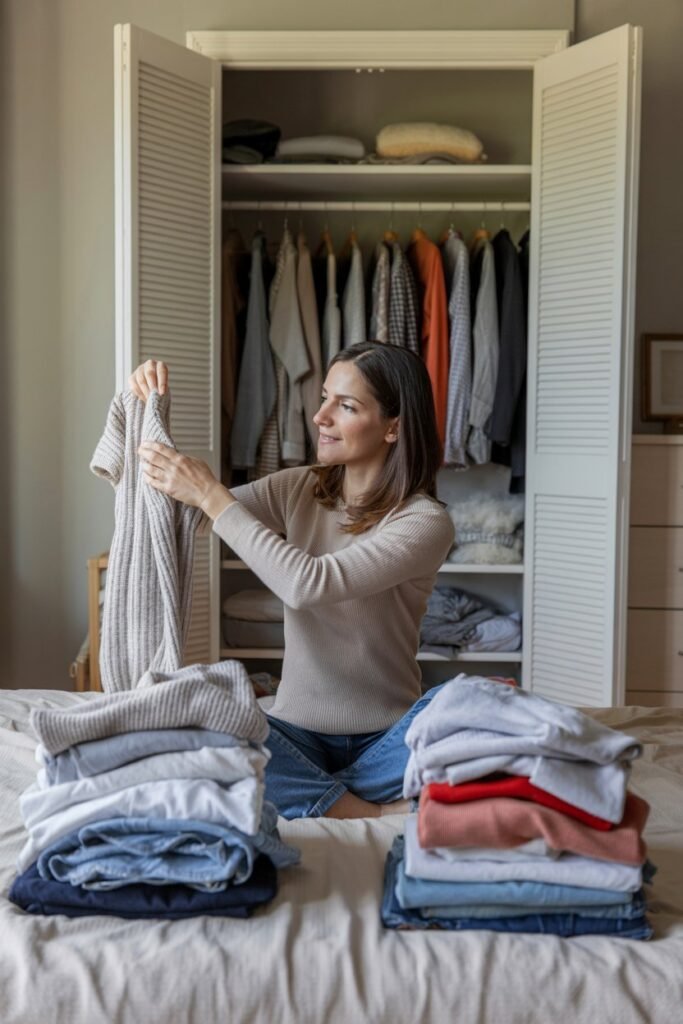
Before I could even think about building a capsule wardrobe, I had to completely go through my closet and be honest about what I actually wore.
I realized I was holding onto so many pieces “just in case” even though I hadn’t touched them in months or even years.
At first, decluttering felt overwhelming because I thought I needed to keep everything.
But once I started removing clothes that no longer fit my lifestyle, my closet instantly felt lighter and less stressful.
I focused on keeping pieces I genuinely enjoyed wearing instead of clothes that only took up space.
What I Removed
- Clothes that no longer fit comfortably
- Items I hadn’t worn in a very long time
- Trendy pieces I stopped liking
- Uncomfortable shoes or outfits
- Duplicate basics I didn’t need
Why It Helped
Decluttering helped me clearly see what my actual style looked like and made organizing the rest of my wardrobe much easier.
2. Choose a Simple Color Palette
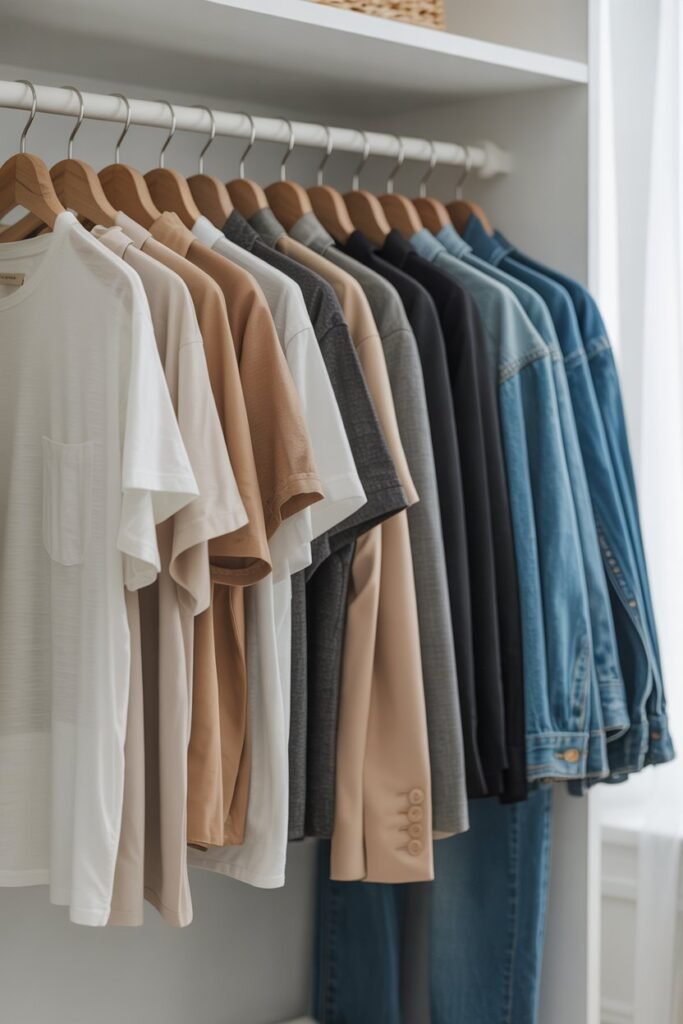
One of the biggest reasons my old wardrobe felt chaotic was because nothing matched easily.
I had too many random colors and trendy prints that were difficult to style together.
Once I started focusing on a simple neutral color palette, outfit planning became dramatically easier.
Most of my clothes naturally worked together, which meant I could create more outfits with fewer pieces.
I still kept a few favorite colors, but I stopped buying items that clashed with everything else in my closet.
Colors I Focused On
- Black
- White
- Beige
- Gray
- Denim blue
- Soft brown or earth tones
Why It Helped
A simple color palette made mixing and matching effortless while keeping my wardrobe visually cleaner and more organized.
3. Focus on Versatile Basics
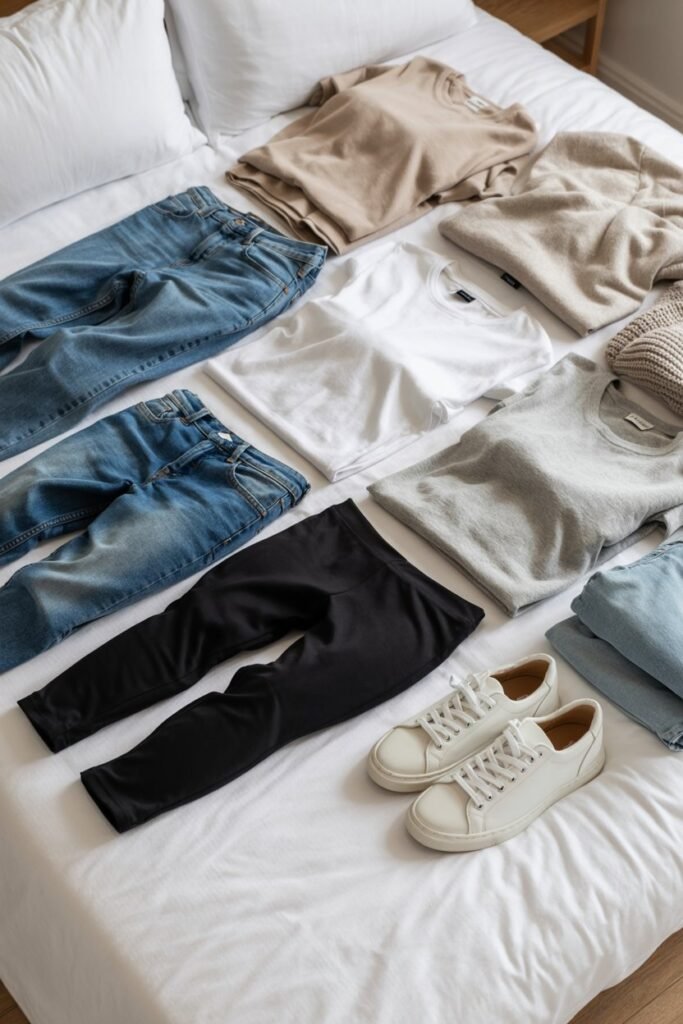
This was probably the most important shift I made.
Instead of buying statement outfits I could only wear once in a while, I started focusing on basics I could repeat often in different ways.
Simple clothing pieces gave me much more flexibility and actually helped me create better outfits overall.
I realized that basics are the foundation of a functional wardrobe because they work with almost everything.
Essentials I Added
- Plain fitted T-shirts
- Neutral tank tops
- Comfortable jeans
- Black leggings
- Oversized sweaters
- White sneakers
- Simple jackets
Why It Helped
Versatile basics helped me build multiple outfit combinations without needing a huge amount of clothing.
4. Prioritize Comfort and Fit
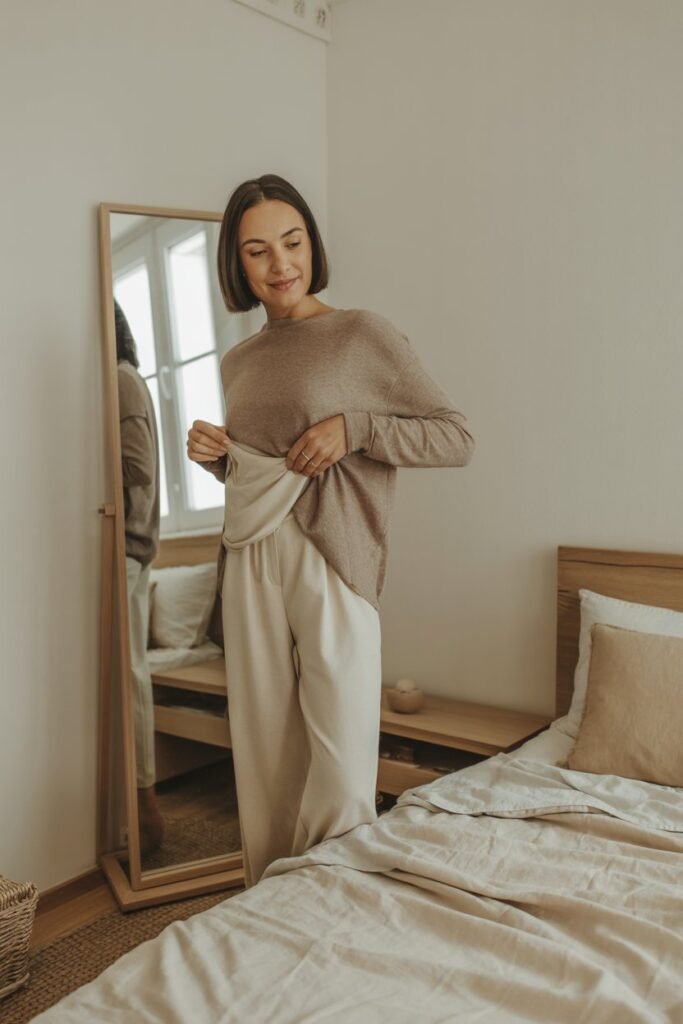
I used to keep clothes just because they looked nice, even if they felt uncomfortable to wear.
Eventually I realized that if something constantly felt tight, awkward, or uncomfortable, I simply avoided wearing it.
Now comfort is one of the first things I think about when buying clothes. I want pieces that look good but also feel easy to wear throughout the day.
This small mindset shift helped me stop wasting money on clothes that stayed untouched in my closet.
What I Look For Now
- Comfortable fabrics
- Easy movement
- Proper fit
- Everyday practicality
- Confidence and simplicity
Why It Helped
I started wearing more of my clothes consistently instead of only choosing the same few “safe” outfits.
5. Build Around Your Lifestyle
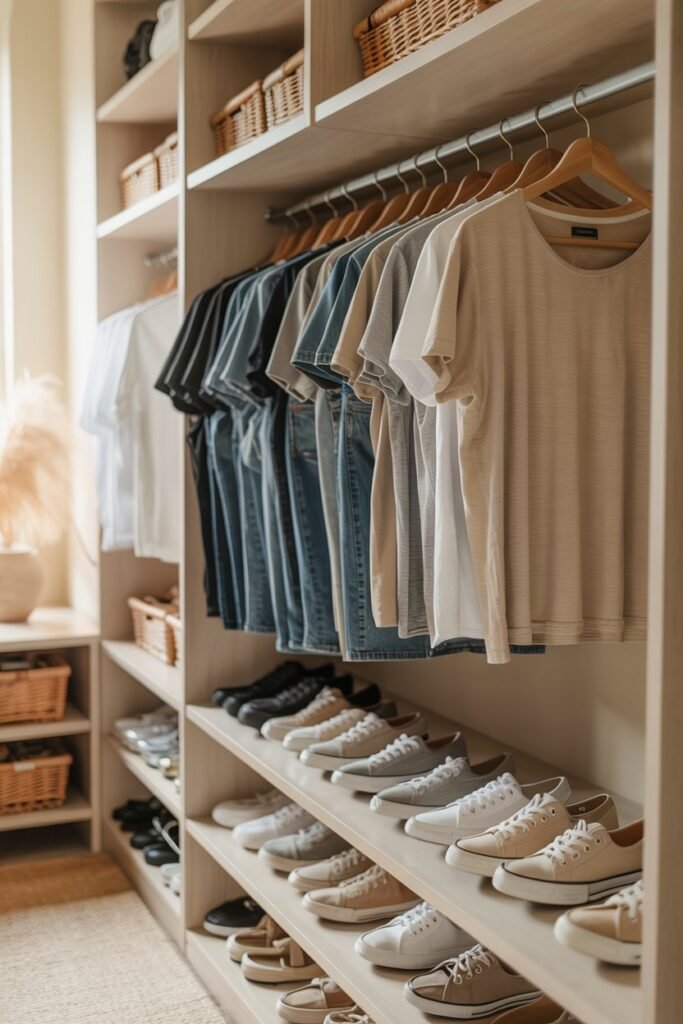
One mistake I made before was trying to copy capsule wardrobes online that didn’t actually match my daily life.
Some wardrobes looked beautiful in photos but weren’t realistic for my routine.
Once I started building my wardrobe around how I actually live, everything became much more practical.
I focused on clothing that matched my lifestyle instead of fantasy versions of myself.
Questions I Asked Myself
- What do I wear most often?
- Do I dress casually or professionally?
- How often do I go out?
- What outfits make me feel most comfortable?
- What clothes do I repeat naturally?
Why It Helped
My wardrobe became easier to use daily because it reflected my real lifestyle and habits.
6. Avoid Buying Trendy Pieces Constantly
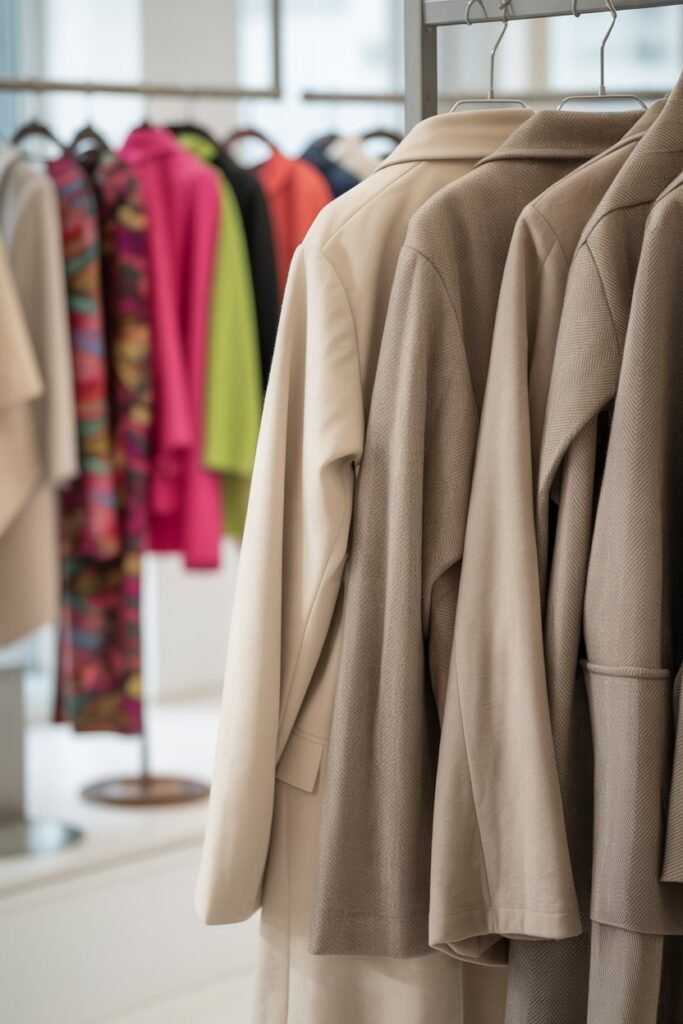
I used to buy trendy items impulsively because they looked good online or in stores. But most of those pieces went out of style quickly or became difficult to wear after a few months.
Now I focus more on timeless clothing that still looks good year after year instead of chasing every new fashion trend.
That doesn’t mean you can’t enjoy trends occasionally — I just stopped building my wardrobe around them.
What Changed for Me
- Fewer impulse purchases
- More timeless outfits
- Easier outfit matching
- Less wasted money
Why It Helped
I stopped filling my closet with clothes I only wore once or twice before losing interest.
7. Choose Quality Over Quantity
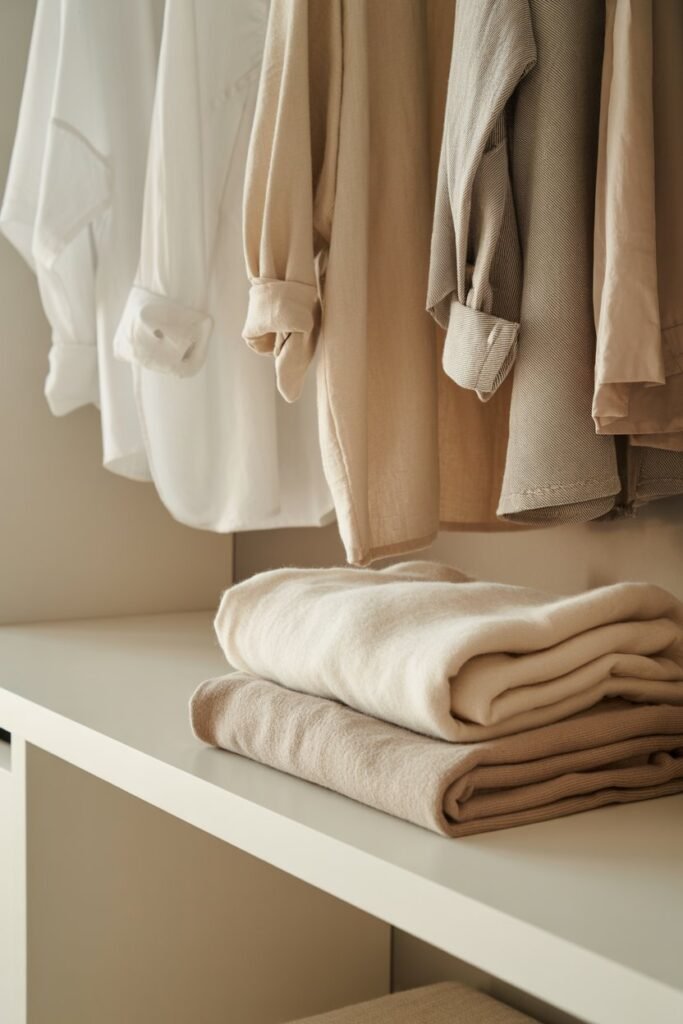
I used to think having more clothes meant having better style, but honestly, most of those clothes didn’t last long or even feel good to wear.
Now I’d rather own fewer pieces that are comfortable, durable, and easy to style than a huge amount of cheap clothing I barely use.
I also noticed that better-quality basics tend to look more polished even with simple outfits.
What I Look For
- Durable stitching
- Comfortable materials
- Easy maintenance
- Neutral timeless designs
- Pieces that last multiple seasons
Why It Helped
My wardrobe became smaller but much more reliable and functional.
8. Create Easy Outfit Combinations
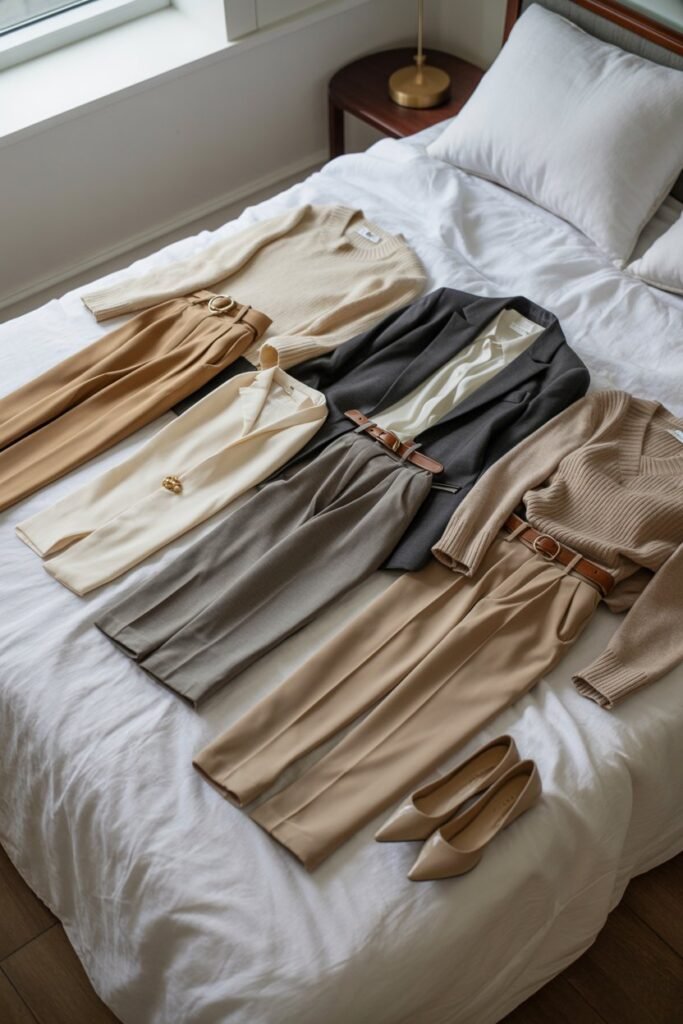
One thing that made my mornings stressful before was trying to create outfits from clothes that didn’t really work together.
Now I intentionally choose pieces that can mix and match easily. Most tops in my closet work with multiple bottoms, which makes getting dressed much faster.
This also helped reduce the feeling of “having nothing to wear.”
What Helped Me Most
- Neutral colors
- Simple layering pieces
- Basic shoes that match everything
- Repeating outfit formulas
Why It Helped
It simplified daily outfit planning and reduced decision fatigue.
9. Organize Your Closet Properly
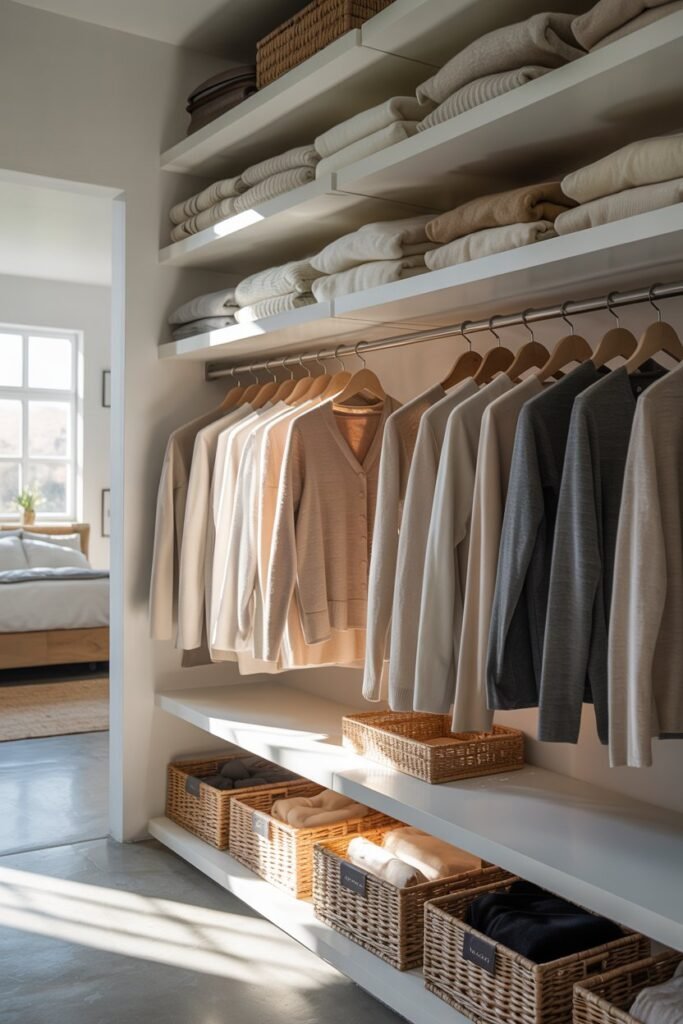
Once I reduced the clutter, organizing my closet became much easier and honestly more enjoyable.
I noticed that when my closet looked clean and organized, I appreciated my clothes more and actually maintained the system better.
Simple organization methods made a huge difference without needing expensive storage products.
What Helped Me Most
- Matching hangers
- Folding sweaters neatly
- Separating clothing categories
- Storing seasonal items separately
- Keeping visible space between clothes
Why It Helped
A clean closet helped the minimalist wardrobe system feel calm, functional, and easier to maintain long term.
10. Stop Shopping Emotionally

This was honestly one of the hardest habits for me to change. I used to shop when I felt stressed, bored, excited, or even unmotivated.
The problem was that emotional shopping usually led to random purchases that didn’t actually fit my wardrobe or lifestyle.
Now I pause before buying clothes and ask myself whether I truly need them.
Questions I Ask Before Buying
- Will I realistically wear this often?
- Does it match multiple outfits I already own?
- Is it comfortable?
- Do I genuinely love it?
- Am I buying this emotionally or intentionally?
Why It Helped
I became much more mindful with shopping and dramatically reduced unnecessary closet clutter.
Simple Capsule Wardrobe Tips That Helped Me Most
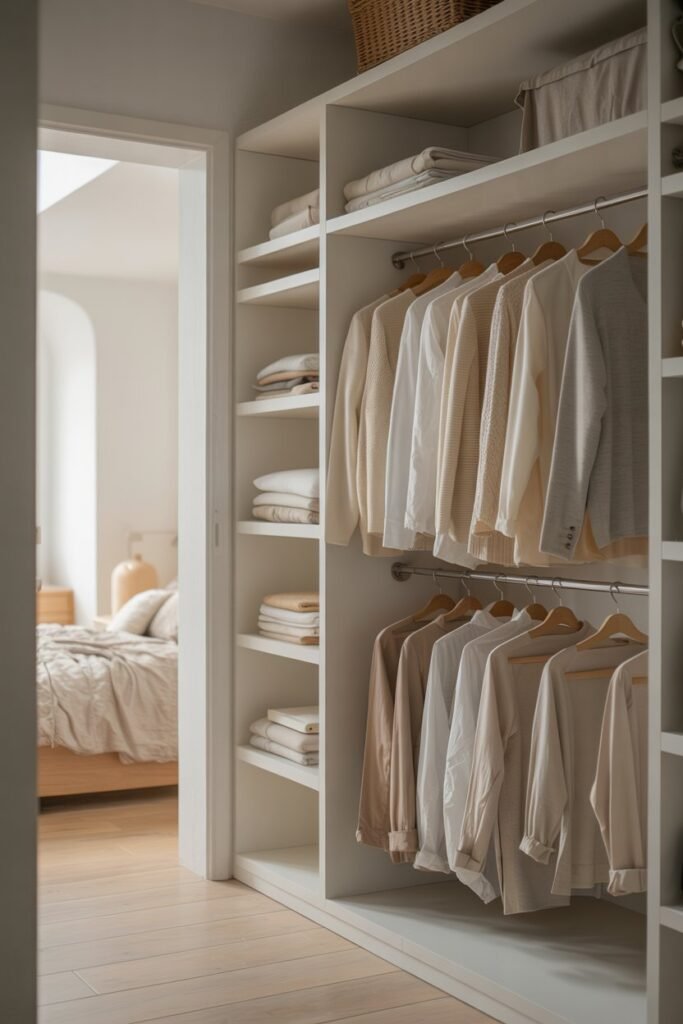
Start Small
You don’t need to rebuild your entire closet overnight.
Repeat Outfits Confidently
Most people don’t notice repeated outfits as much as we think.
Focus on Everyday Wear
Prioritize clothes you realistically wear often.
Keep It Practical
Your wardrobe should support your lifestyle, not complicate it.
Common Capsule Wardrobe Mistakes
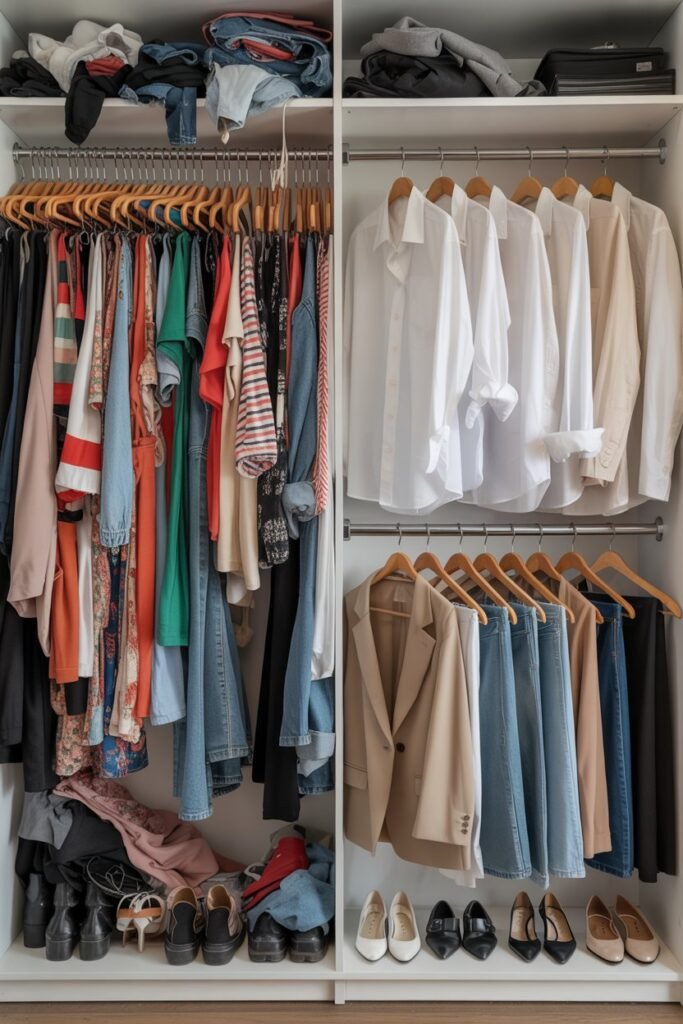
Keeping Too Many “Just in Case” Clothes
They usually create unnecessary clutter.
Buying Too Many Basics at Once
Build your wardrobe gradually instead.
Ignoring Personal Style
Minimalism should still feel like you.
Choosing Trends Over Versatility
Trendy pieces often become unworn quickly.
Benefits of a Minimalist Capsule Wardrobe
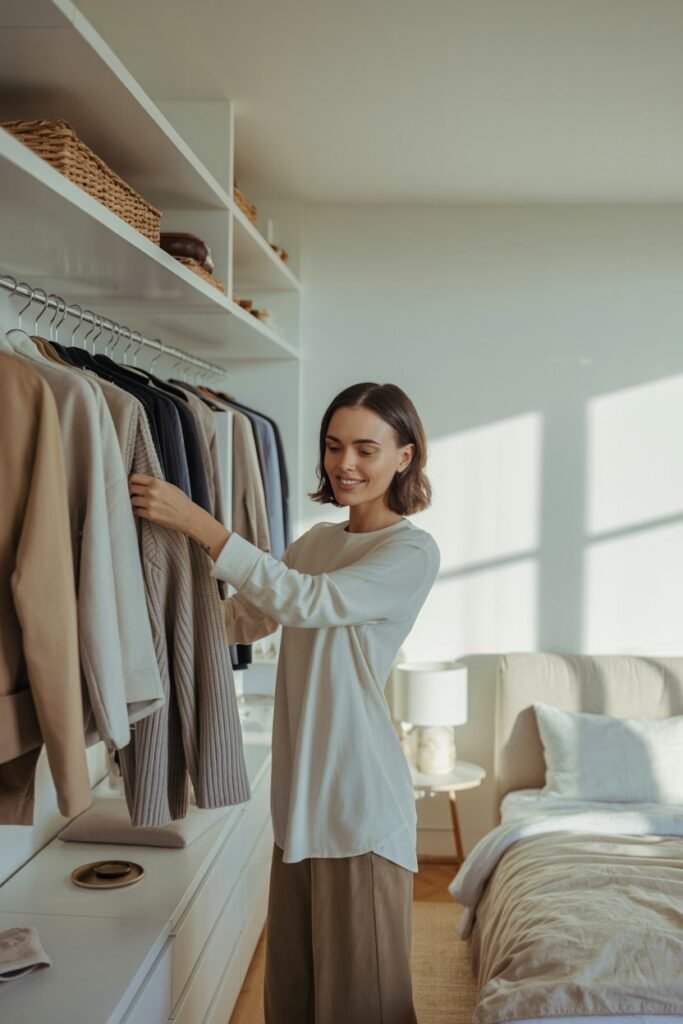
After simplifying my wardrobe, I noticed:
- Less stress getting dressed
- Cleaner closet space
- Reduced impulse shopping
- Easier outfit planning
- More confidence in my style
- Better use of the clothes I already owned
FAQ
How many clothes should a capsule wardrobe have?
There’s no exact number, but many people keep around 30–50 versatile pieces.
Can a capsule wardrobe still be stylish?
Yes, minimalist wardrobes can still feel fashionable and personal.
Do capsule wardrobes save money?
Yes, because you buy fewer unnecessary clothes over time.
Can I still own statement pieces?
Absolutely — just keep them intentional and wearable.
Is a capsule wardrobe good for small closets?
Yes, it helps reduce clutter and maximize space.
Final Thoughts
Creating a minimalist capsule wardrobe helped simplify more than just my closet.
It reduced daily stress, helped me shop more intentionally, and made getting dressed feel much easier.
The best part is that you don’t need a perfect wardrobe to start. Even small changes toward simpler, more versatile clothing can make a huge difference over time.