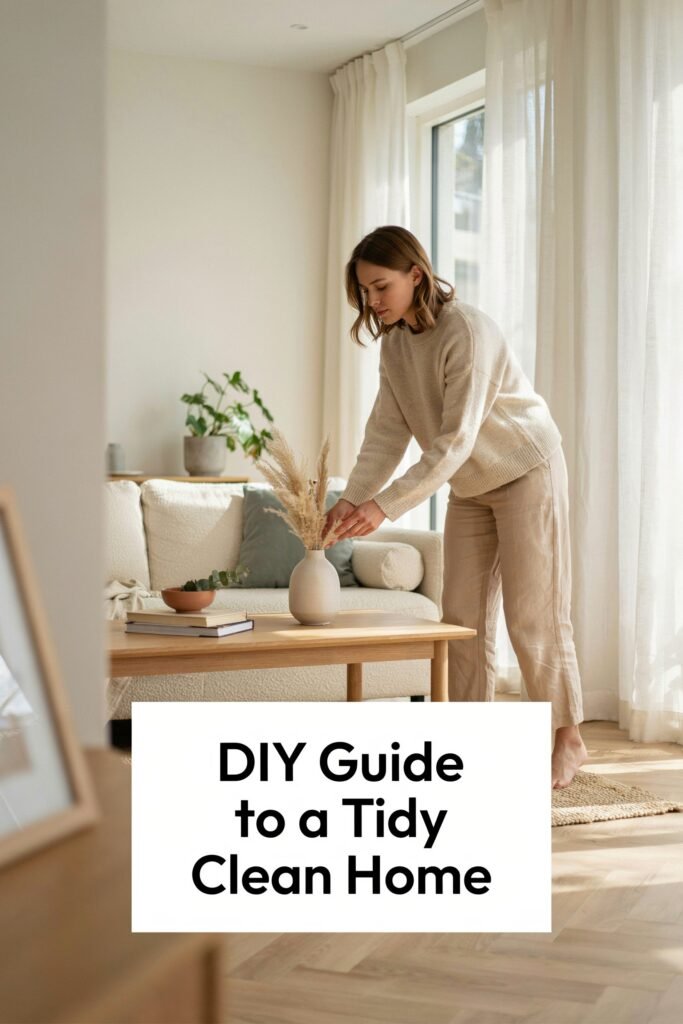
DIY Guide to a Tidy Clean Home

A tidy clean home is not just about appearance but also about peace of mind, better health, improved focus, and a calmer daily routine.
When your living space is organized and fresh, everything from cooking to relaxing becomes easier and more enjoyable.
Many people struggle with clutter, dust buildup, and lack of cleaning structure, not because they are lazy but because they do not have a simple system to follow consistently.
This DIY guide to a tidy clean home is designed to give you a complete practical approach that you can apply in any home regardless of size, budget, or lifestyle.
It focuses on simple routines, natural cleaning methods, smart organization habits, and realistic daily practices that actually work in real life.
Each section includes clear instructions so you can follow along without confusion or stress.
You will learn how to clean faster, reduce clutter, maintain order with less effort, and create a home environment that stays clean longer instead of falling back into messiness after a few days.
The goal is not perfection but consistency and comfort. By the end of this guide, you will have a full home system that helps you stay organized without feeling overwhelmed.
UNDERSTANDING THE FOUNDATION OF A TIDY HOME
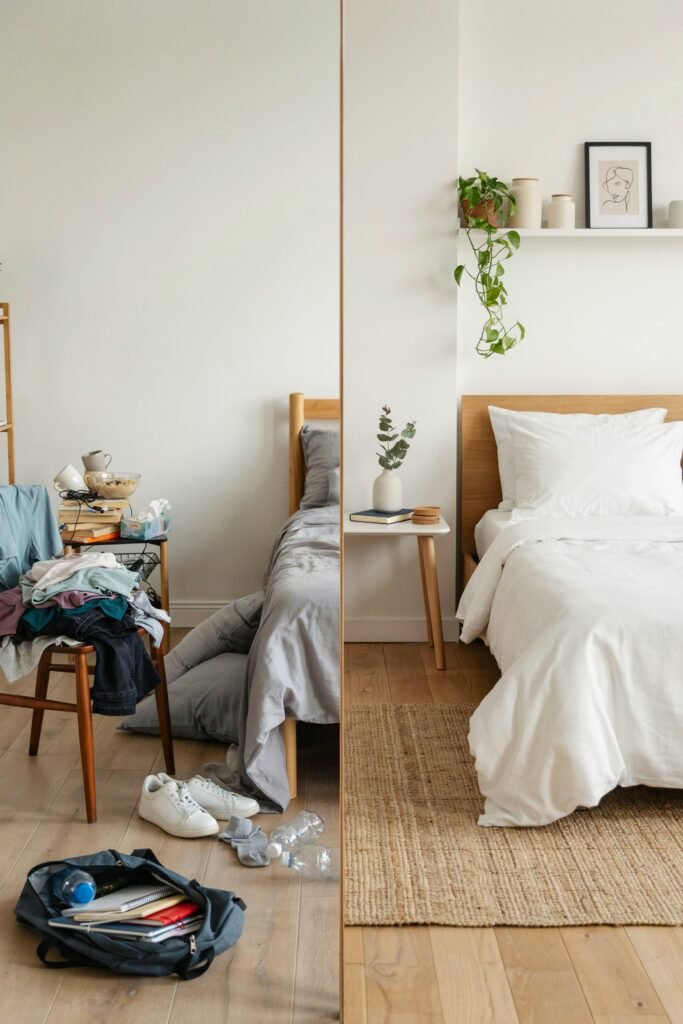
Before jumping into cleaning methods, it is important to understand that a tidy home is built on habits, not occasional deep cleaning.
The main difference between a constantly messy home and a consistently clean one is routine behavior.
A tidy home depends on three core principles:
First is daily reset habits which means returning things to their proper place every day.
Second is clutter control which means reducing unnecessary items that collect dust and create visual stress.
Third is cleaning structure which means having a simple plan for when and how each area of the home gets cleaned.
Once you understand these three principles, every other cleaning task becomes easier and faster.
DECLUTTERING YOUR HOME STEP BY STEP

Decluttering is the first major step in creating a clean home environment. Without removing unnecessary items, cleaning will always feel harder than it should.
Start with one small area such as a drawer, shelf, or corner. Do not try to declutter the entire house in one day.
Follow this simple method:
Remove everything from the space so you can see what you actually own.
Sort items into three groups which are keep, donate, and discard.
Keep only items that are useful, meaningful, or regularly used.
Place everything back in an organized and intentional way so each item has a specific place.
Move room by room over several days instead of rushing. This helps prevent burnout and makes the process more effective.
Decluttering also reduces dust buildup, improves air quality, and makes cleaning surfaces much easier.
DAILY CLEANING HABITS FOR A TIDY HOME
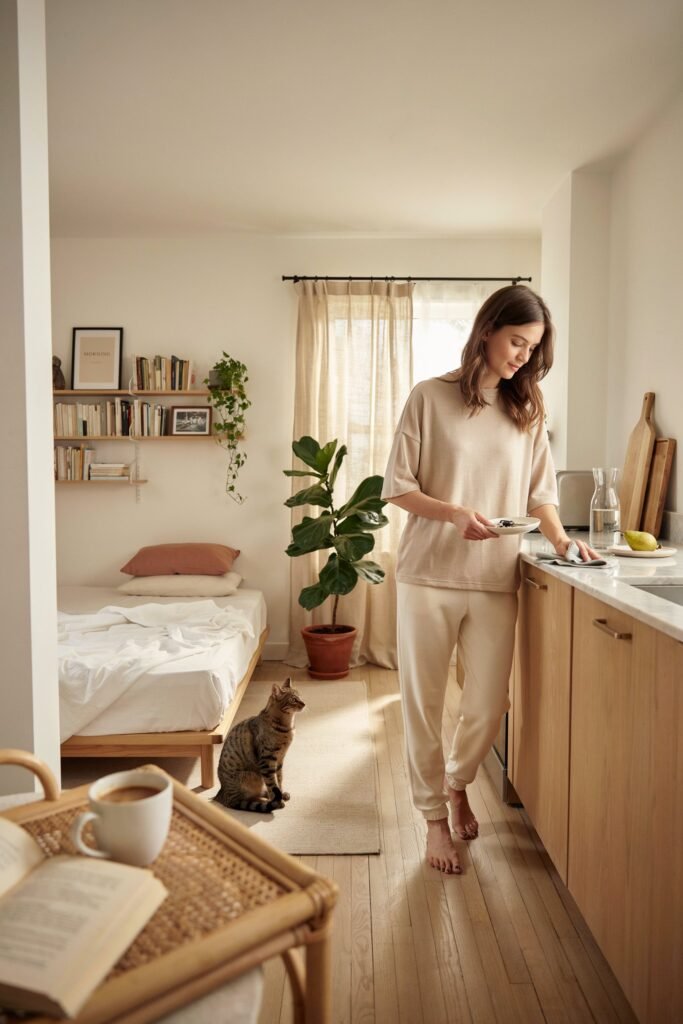
Daily habits are the backbone of a clean home. These habits do not take long but they prevent mess from building up.
Start your morning by making beds in each bedroom. This immediately creates a sense of order in the home.
During the day, always return items to their designated places after use. This includes clothes, dishes, and personal items.
In the kitchen, wash dishes or load the dishwasher immediately after meals instead of letting them pile up.
At night, do a short reset routine where you spend a few minutes putting things back in order, wiping surfaces, and preparing for the next day.
Consistency is more important than intensity. Even a short daily routine can completely transform your home environment over time.
KITCHEN CLEANING AND ORGANIZATION METHOD
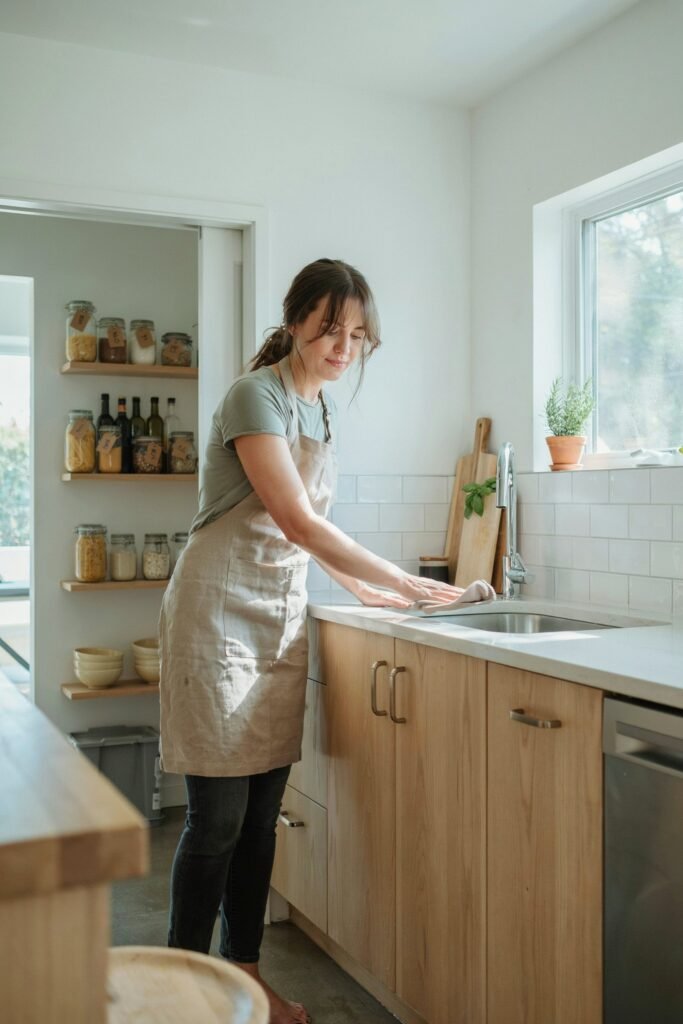
The kitchen is one of the most used areas in any home and it requires special attention to stay clean and functional.
Start by clearing countertops of unnecessary items. Only keep essentials such as cooking tools you use daily.
Wipe surfaces after every cooking session to prevent grease buildup and sticky residue.
Clean spills immediately instead of waiting for later because dried stains are harder to remove.
Organize pantry items by category such as grains, snacks, spices, and canned goods so everything is easy to find.
Throw away expired food regularly to prevent clutter and unpleasant smells.
A clean kitchen not only improves hygiene but also makes cooking more enjoyable and less stressful.
LIVING ROOM CLEANING AND DECLUTTERING SYSTEM
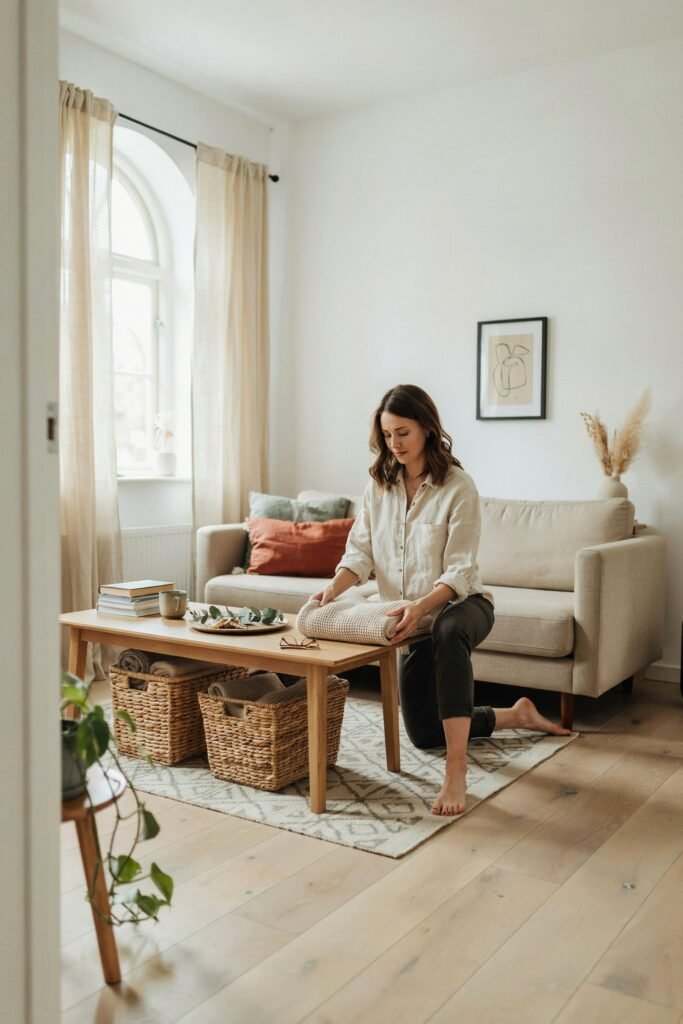
The living room is often the central space of the home where clutter builds up quickly.
Start by removing items that do not belong in the living room such as dishes, clothes, and random objects.
Use baskets or storage boxes to contain items like remote controls, books, and toys.
Dust surfaces regularly including tables, shelves, and electronics.
Vacuum or sweep the floor several times a week depending on usage.
Arrange furniture in a way that allows easy movement and creates an open feeling in the room.
A well organized living room creates a welcoming atmosphere for both family members and guests.
CONTINUING BEDROOM CLEANLINESS FOR BETTER REST
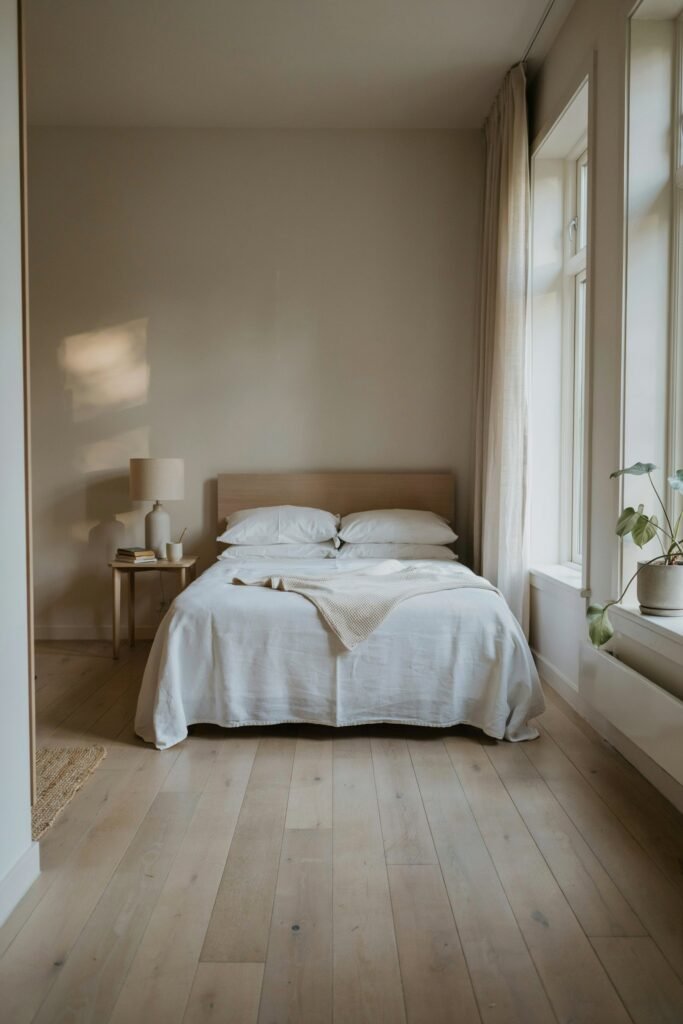
A clean bedroom supports better sleep and relaxation. Start by making the bed every morning as a daily habit.
Keep bedside tables clear except for essential items such as a lamp or book.
Store clothes properly either in closets or laundry baskets instead of leaving them on chairs or floors.
Change bed sheets regularly to maintain freshness and hygiene.
Avoid storing unnecessary items under the bed because it often becomes hidden clutter.
A calm and organized bedroom helps reduce stress and improves sleep quality.
SIMPLE BATHROOM CLEANING ROUTINE
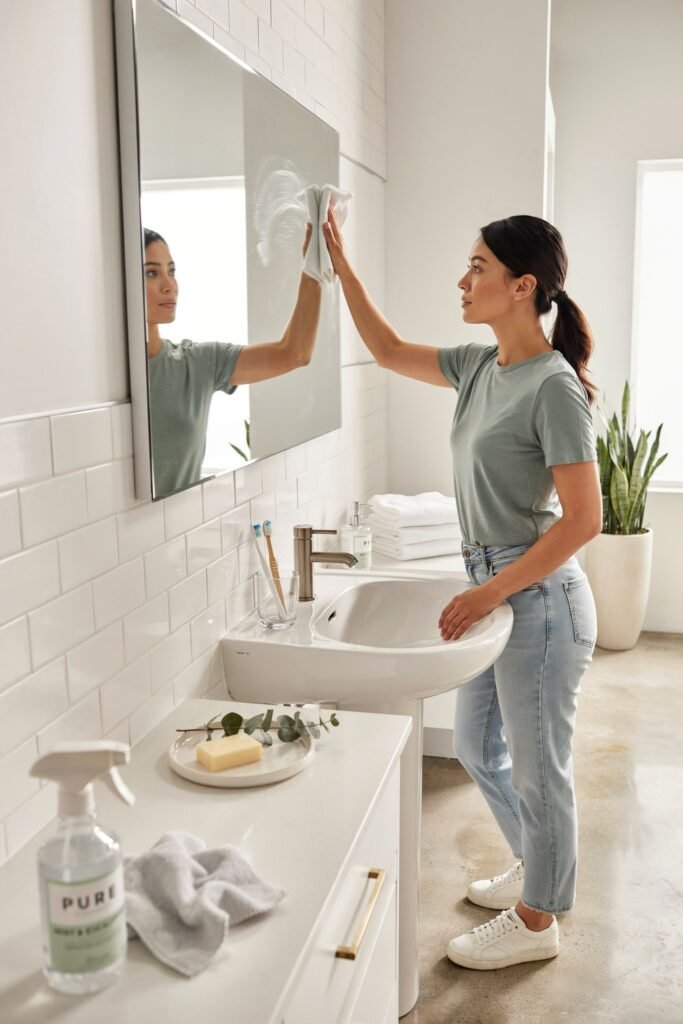
Bathrooms require frequent attention because of moisture and daily use.
Wipe sinks and countertops regularly to prevent buildup of soap residue and stains.
Clean mirrors using a soft cloth to maintain clarity and shine.
Scrub toilet areas often to maintain hygiene.
Keep bathroom items organized such as toiletries, towels, and cleaning supplies.
Ensure proper ventilation to reduce humidity and prevent mold.
A clean bathroom contributes to overall household cleanliness and comfort.
ORGANIZING STORAGE AREAS AND HIDDEN SPACES

Storage areas often become forgotten zones where clutter builds up over time.
Go through storage rooms, closets, and cabinets periodically.
Remove items you no longer need and reorganize what remains.
Use labeled containers or baskets to group similar items together.
Place frequently used items in accessible areas and rarely used items in higher or hidden spaces.
Maintaining storage order prevents future clutter from spreading into visible areas of the home.
NATURAL CLEANING METHODS FOR A SAFE HOME
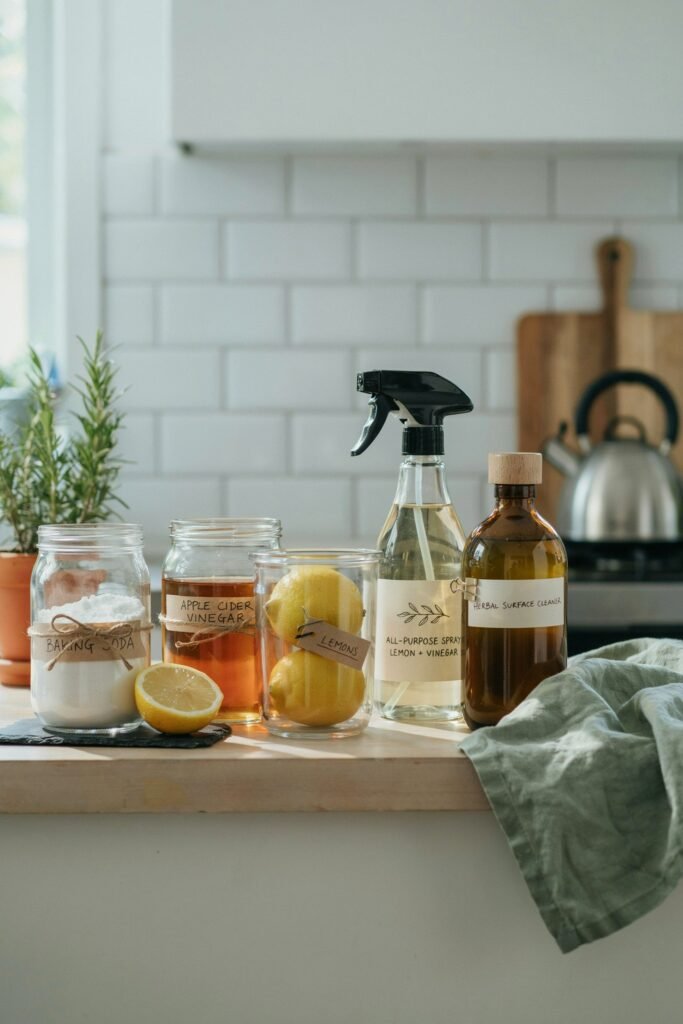
Using simple natural cleaning solutions can help maintain a healthier home environment.
Common ingredients like vinegar, baking soda, and lemon can be used to clean surfaces effectively.
These natural options help reduce chemical exposure while still keeping your home clean and fresh.
For example, vinegar mixed with water can be used for glass cleaning while baking soda can help remove stains and odors.
Natural cleaning methods are affordable, easy to prepare, and safe for daily use.
WEEKLY DEEP CLEANING ROUTINE THAT ACTUALLY WORKS
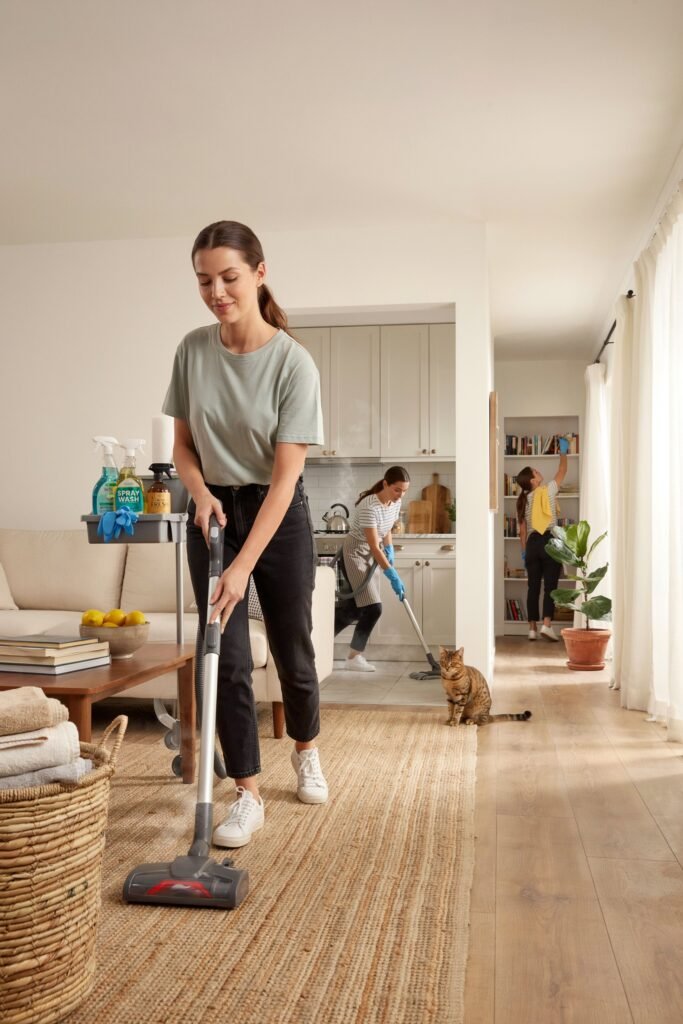
A tidy home is not only maintained by daily habits but also by a simple weekly deep cleaning routine.
This is where you go a little further than surface cleaning and handle the buildup that happens over time.
Start by choosing one or two days in the week where you have more time, such as Saturday or Sunday. Break your home into sections so you do not feel overwhelmed.
Begin with dusting all visible surfaces including shelves, tables, window sills, and decor items. Dust tends to settle quietly, so this step improves both cleanliness and air quality.
Next focus on floors by vacuuming or sweeping every room carefully. Move furniture slightly if possible to reach hidden dust areas.
Clean mirrors and glass surfaces using a simple solution of water and vinegar. Wipe in circular motions to avoid streaks.
In the kitchen, wipe down cabinets, clean appliance exteriors, and disinfect frequently touched areas like handles and switches.
In the bathroom, scrub tiles, clean grout lines, and ensure all surfaces are properly disinfected.
This weekly system helps prevent heavy buildup and makes your home easier to maintain during the rest of the week.
SMART CLEANING SCHEDULE FOR BUSY DAYS

Not every day is the same, and some days you may feel tired or busy. A smart cleaning schedule helps you stay consistent without pressure.
On busy days, focus only on three things: dishes, clutter reset, and floor clearing.
These three actions alone can make your home feel organized again even when time is limited.
On normal days, add light cleaning tasks like wiping surfaces and folding laundry.
On free days, do deeper tasks like bathroom cleaning, kitchen scrubbing, or organizing storage spaces.
The key is flexibility. A tidy home does not require perfection but a system that adapts to your lifestyle.
TIME SAVING CLEANING HACKS FOR EVERY HOME

Time saving cleaning methods can make a huge difference in maintaining a tidy home without stress.
Always clean while doing other tasks. For example, wipe the counter while cooking or organize items while watching TV.
Keep cleaning supplies in multiple areas of the home so you do not waste time walking back and forth.
Use baskets to quickly gather clutter and sort it later instead of stopping every few minutes to put things away.
Set a ten minute timer daily and clean as much as possible within that time. This helps build speed and consistency.
Another useful habit is the one touch rule. This means you handle an item once and immediately put it where it belongs instead of moving it multiple times.
FAMILY INVOLVEMENT IN KEEPING THE HOME CLEAN
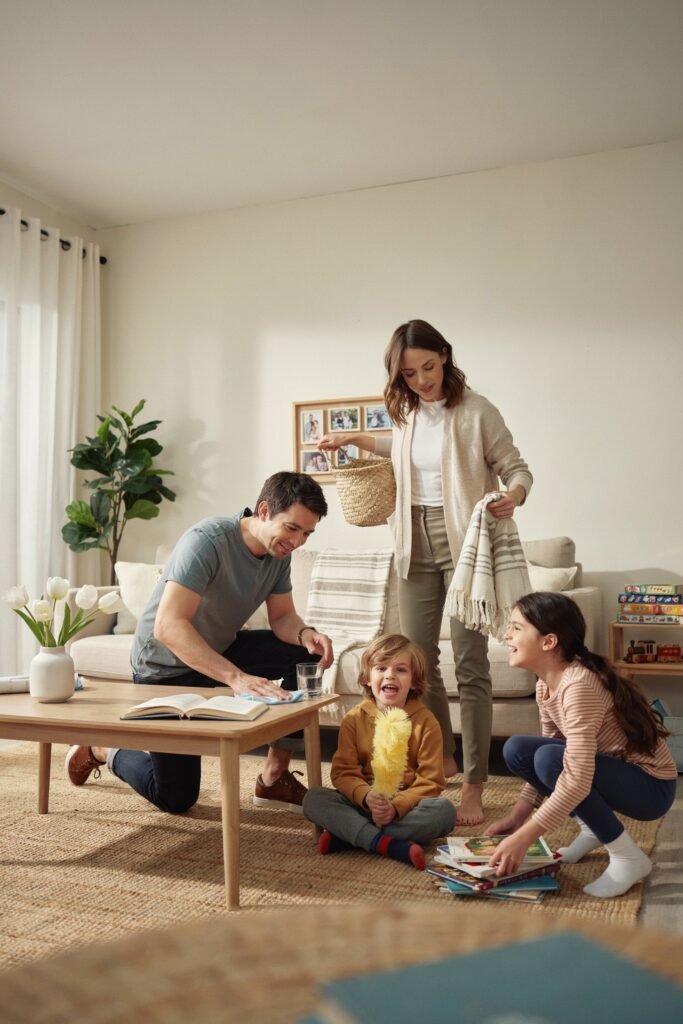
A tidy home becomes much easier to maintain when everyone in the household participates.
Assign simple responsibilities based on age and ability. For example, children can put away toys, while adults handle more detailed cleaning tasks.
Create a shared routine where everyone spends a few minutes each day resetting common areas like the living room or kitchen.
Teach simple habits such as making beds, clearing plates after meals, and putting clothes in hampers.
When cleaning becomes a shared responsibility, the workload reduces and the home stays organized more naturally.
SEASONAL DEEP ORGANIZATION FOR LONG TERM CLEANLINESS
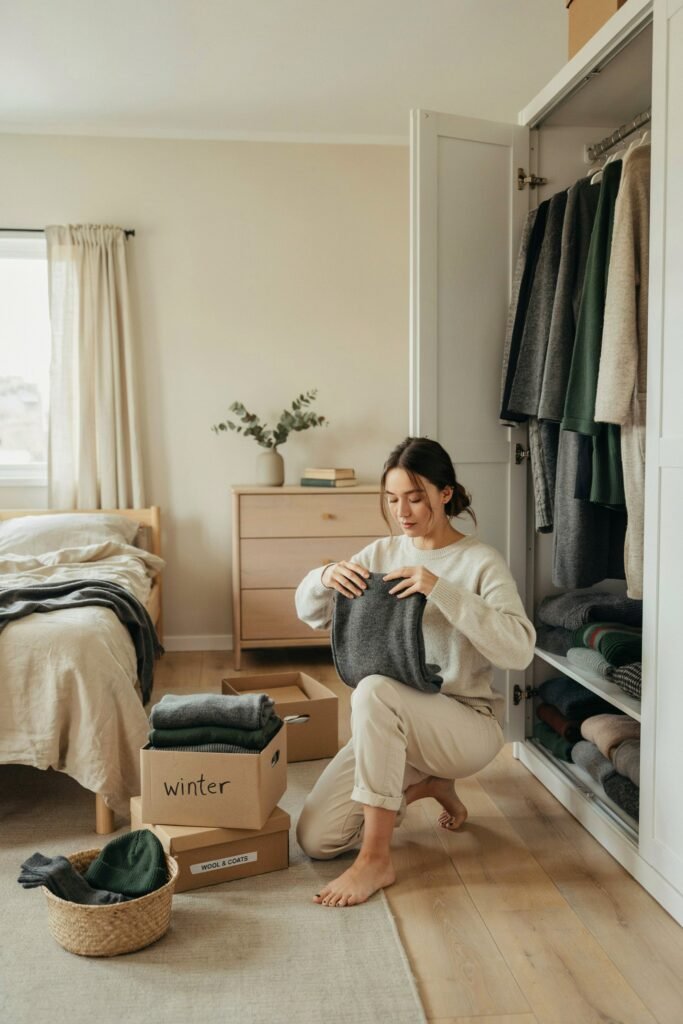
Every few months, it is important to do a seasonal reset of your home.
This involves going through clothing, kitchen items, decor, and storage areas to remove things you no longer use.
Switch out seasonal items such as clothing, bedding, and decorations to keep your space relevant and functional.
Clean areas that are often ignored like behind furniture, under appliances, and inside deep storage spaces.
This seasonal process prevents long term clutter from building up and helps your home feel refreshed.
CREATING A MINIMALIST HOME ENVIRONMENT
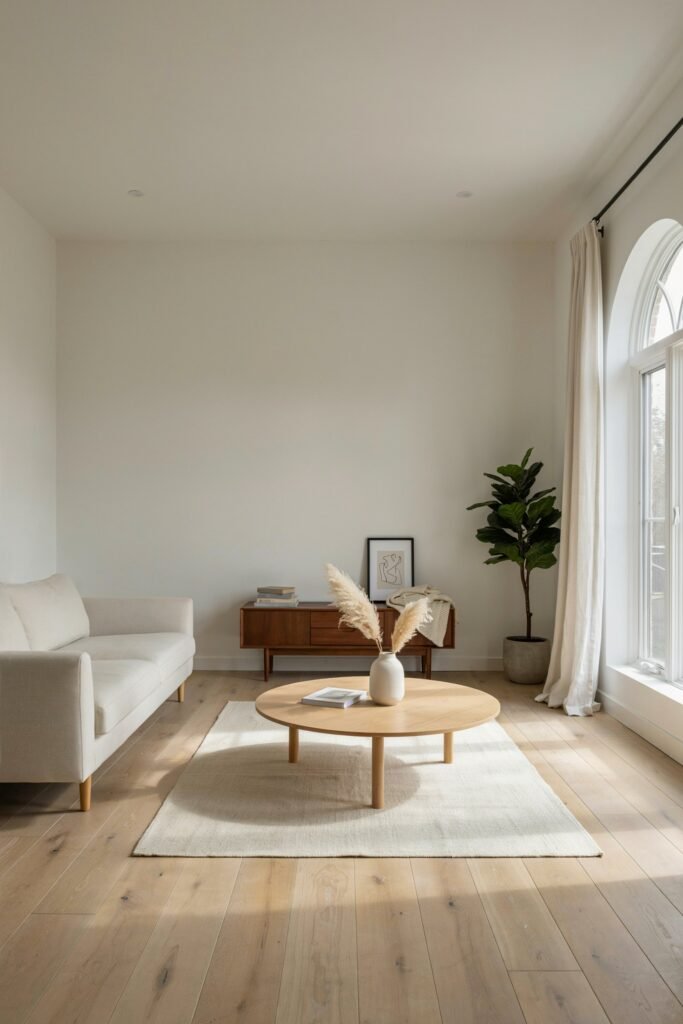
Minimalism does not mean having an empty home. It means keeping only what adds value to your daily life.
Start by removing duplicate items. Many homes have multiple versions of the same item that are rarely used.
Keep surfaces as clear as possible. The fewer items on display, the easier it is to clean.
Choose storage solutions that hide clutter while still being accessible.
Focus on quality over quantity when adding new items to your home.
A minimalist approach naturally reduces cleaning time and increases visual calmness.
MAINTAINING A FRESH SMELL AND CLEAN AIR
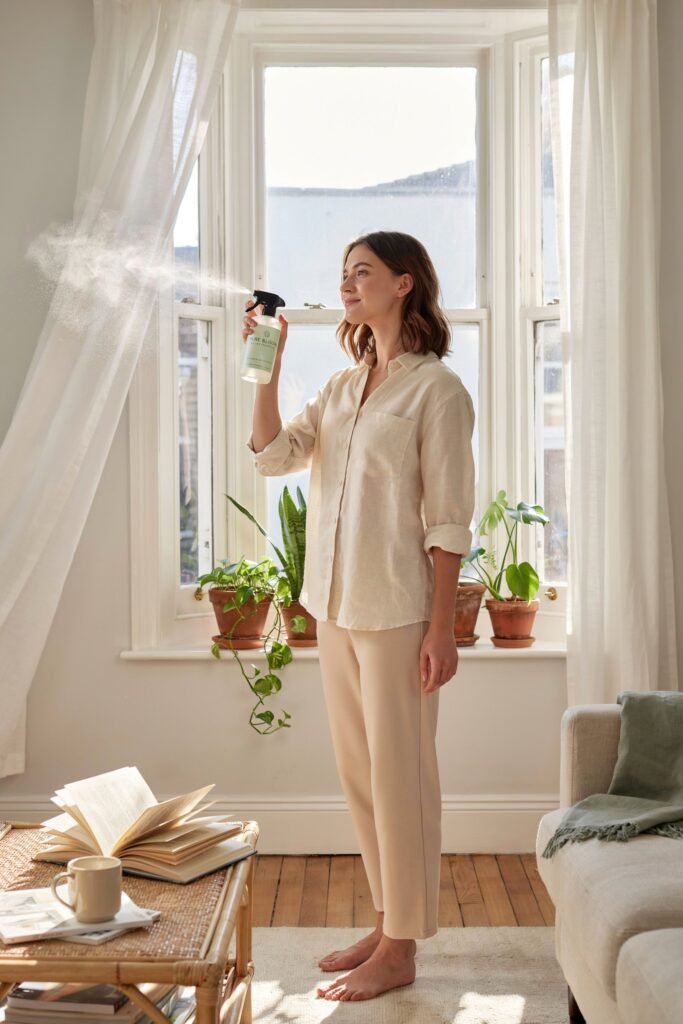
A clean home is not only about what you see but also what you smell and breathe.
Open windows daily to allow fresh air circulation throughout the house.
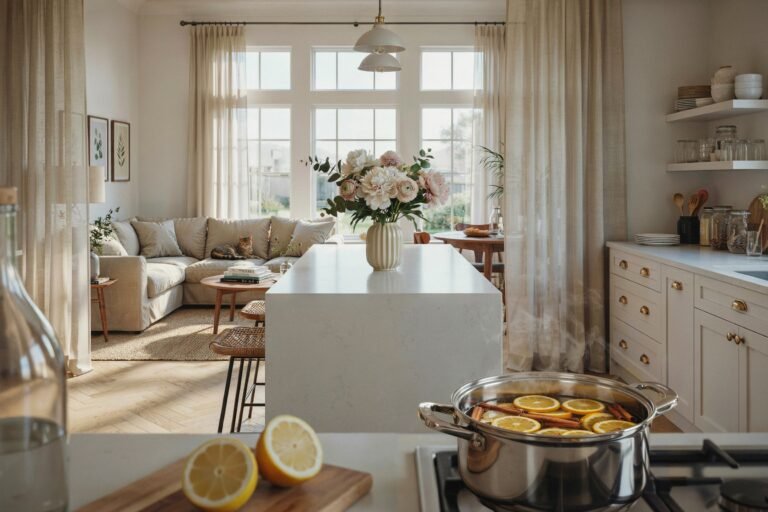
Use natural air fresheners like lemon slices, baking soda bowls, or essential oils.
Wash fabrics regularly including curtains, cushions, and bedding because they trap odors.
Take out trash frequently to prevent bad smells from spreading.
Keeping air fresh makes your home feel cleaner even before you start cleaning surfaces.
FINAL HOME MAINTENANCE SYSTEM FOR LONG TERM SUCCESS
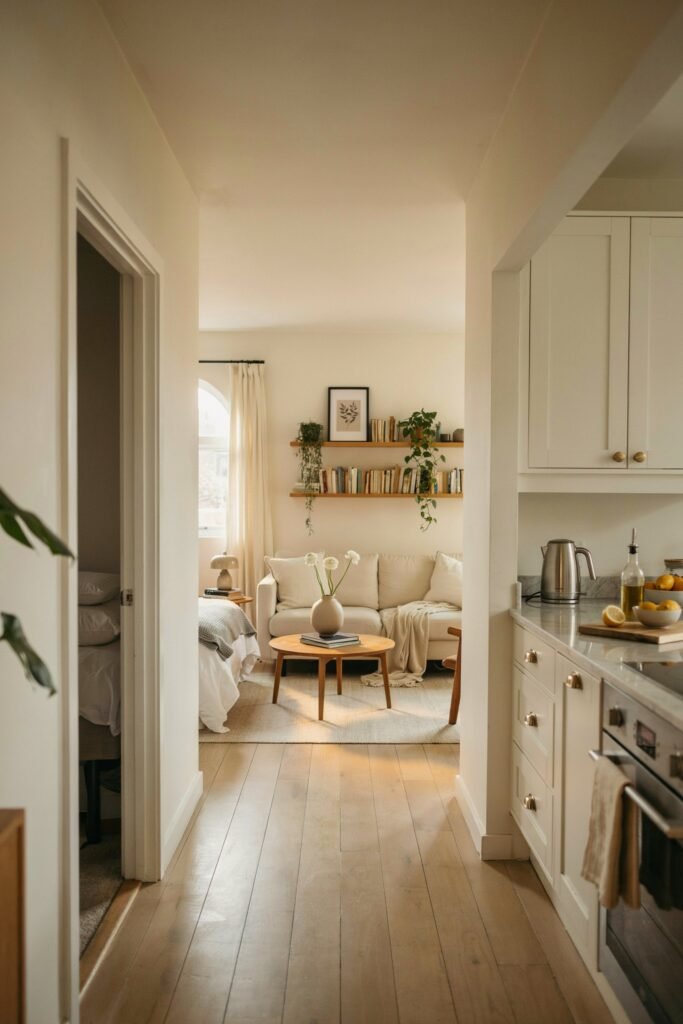
The ultimate goal of this DIY guide is to help you build a system that maintains itself with minimal effort.
Combine daily habits, weekly cleaning, and monthly organization into one simple lifestyle routine.
Always reset your home at the end of the day so you wake up to a fresh environment.
Stay consistent with small actions instead of waiting for large cleaning sessions.
Remember that a tidy clean home is not achieved once but maintained continuously.
When your home becomes part of your daily habits, cleaning no longer feels like a burden but a natural part of your life.
FAQ
WHAT IS THE EASIEST WAY TO KEEP A HOME TIDY DAILY?
The easiest way is to follow a simple reset routine each day where you put items back after use, wipe surfaces, and clear clutter for a few minutes before bed.
HOW OFTEN SHOULD I DEEP CLEAN MY HOME?
A full deep clean is best done once a week, with lighter daily cleaning to prevent buildup and keep everything manageable.
WHAT SHOULD I DECLUTTER FIRST?
Start with visible areas like countertops, living rooms, and bedrooms first, then move to storage spaces like closets and drawers.
HOW CAN I KEEP MY HOME CLEAN WHEN I AM BUSY?
Focus only on essentials like dishes, quick clutter pickup, and floor clearing. Even 10 minutes a day can maintain order.
WHAT ARE THE BEST NATURAL CLEANING INGREDIENTS?
Common natural cleaners include vinegar, baking soda, lemon, and warm water, which help clean and deodorize safely.
HOW DO I KEEP MY HOME SMELLING FRESH?
Open windows daily, take out trash regularly, wash fabrics often, and use natural air fresheners like lemon or essential oils.
CONCLUSION
A tidy clean home is built through simple systems, not complicated routines.
By following daily habits, weekly cleaning plans, and occasional deep organization, you can maintain a space that feels calm, comfortable, and easy to manage.
This guide gives you a complete structure you can follow at your own pace.
Whether your home is large or small, busy or quiet, these methods will help you create lasting cleanliness without stress or overwhelm.
A clean home supports a clear mind, better health, and a more peaceful lifestyle.