How to Make Bug Repellent Lotion Bars Naturally: Mess-Free and Perfect for Summer
Summer is one of the best times of the year. Long walks in the evening, backyard gatherings, camping trips, beach weekends, gardening mornings, and outdoor adventures all become part of everyday life.
But along with the sunshine and fresh air comes one annoying problem almost everyone deals with during warmer months: bugs.
Mosquitoes, gnats, and other biting insects can quickly ruin a relaxing evening outdoors.
Many people reach for commercial bug sprays, only to discover they smell harsh, feel sticky on the skin, or contain ingredients they would rather avoid.
That is why homemade bug repellent lotion bars have become such a favorite among natural living enthusiasts.
These solid lotion bars are naturally moisturizing, incredibly easy to use, travel-friendly, and much less messy than traditional sprays or oils.
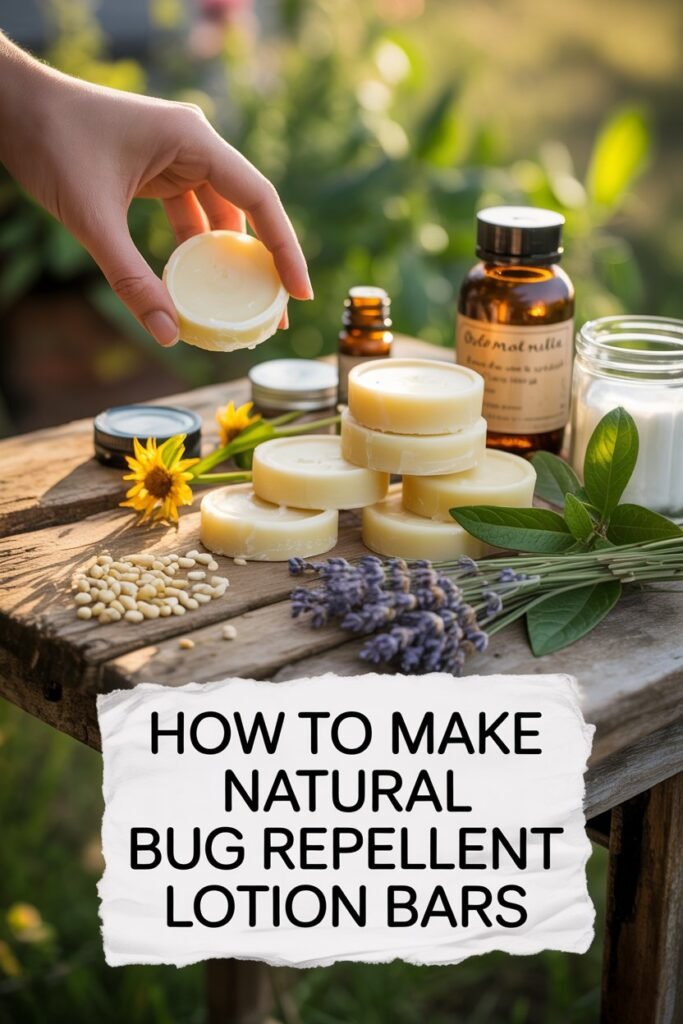
They glide smoothly over the skin, leave your hands soft, and create a light protective barrier with carefully selected natural ingredients and essential oils that insects dislike.
What makes them even better is how simple they are to make at home. You do not need complicated equipment, expensive tools, or advanced DIY skills.
With a few natural ingredients and a little preparation, you can create beautiful lotion bars that work wonderfully during summer.
In this guide, you will learn everything you need to know about making natural bug repellent lotion bars.
From ingredients and essential oils to storage tips, safety advice, beginner mistakes, and customization ideas, this detailed guide will help you create lotion bars that are effective, practical, and enjoyable to use all season long.
Disclaimer: This post may contain affiliate links, which means I may earn a small commission at no extra cost to you. Always follow proper safety guidelines when using essential oils, and avoid use on sensitive skin or young children unless approved by a healthcare professional.
Amazon Shopping List: How to Make Bug Repellent Lotion Bars Naturally
- Beeswax Pellets (Natural Base for Lotion Bars)
- Coconut Oil (Virgin, Cold-Pressed)
- Shea Butter (Unrefined, Skin Nourishing)
- Essential Oils Set (Citronella, Lemongrass, Lavender, Eucalyptus)
- Silicone Lotion Bar Molds
- Glass Mixing Bowl Set (Heat-Safe)
- Double Boiler Pot for Melting Ingredients
What Are Bug Repellent Lotion Bars?
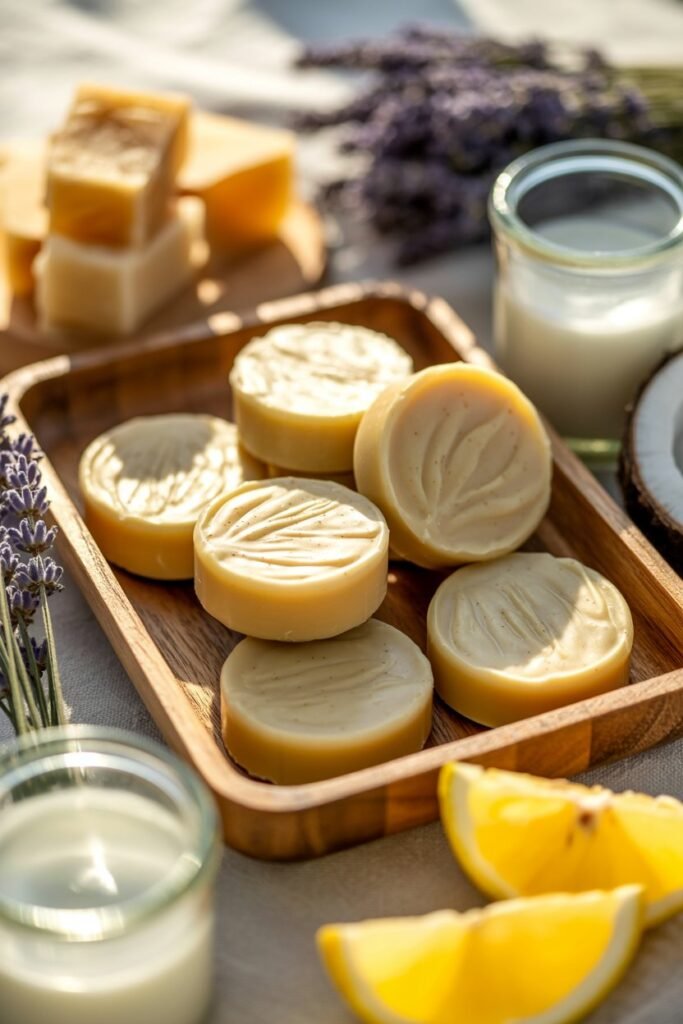
Bug repellent lotion bars are solid moisturizing bars infused with natural insect-repelling ingredients.
Instead of spraying liquid repellent onto the skin, you simply rub the bar directly onto exposed areas like arms, legs, ankles, and shoulders.
The warmth of your skin slightly melts the bar, allowing nourishing oils and butters to spread easily.
At the same time, the scent from specific essential oils helps discourage insects from landing on your skin.
Think of them as a combination of:
- A body moisturizer
- A solid perfume bar
- A natural bug repellent
They are especially popular during summer because they are portable, convenient, and far less messy than oily sprays.
Why People Love Natural Lotion Bars in Summer
Natural bug repellent lotion bars have become increasingly popular for several reasons.
They Are Mess-Free
Unlike sprays that can drip, leak, or coat surfaces, lotion bars stay solid until rubbed onto the skin.
This makes them perfect for purses, backpacks, camping bags, beach totes, and travel kits.
They Moisturize the Skin
Many bug sprays leave skin dry or irritated.
Lotion bars usually contain ingredients like shea butter, coconut oil, and beeswax that deeply nourish the skin while protecting it.
They Smell Better
Commercial insect repellents often have a strong chemical smell.
Homemade lotion bars can smell fresh, herbal, citrusy, or calming depending on the essential oils you choose.
They Are Easy to Customize
You can make them stronger, gentler, softer, firmer, or more moisturizing based on your preferences and climate.
They Reduce Plastic Waste
Reusable tins and silicone molds help reduce reliance on disposable plastic bottles and aerosol cans.
How Natural Bug Repellent Lotion Bars Work
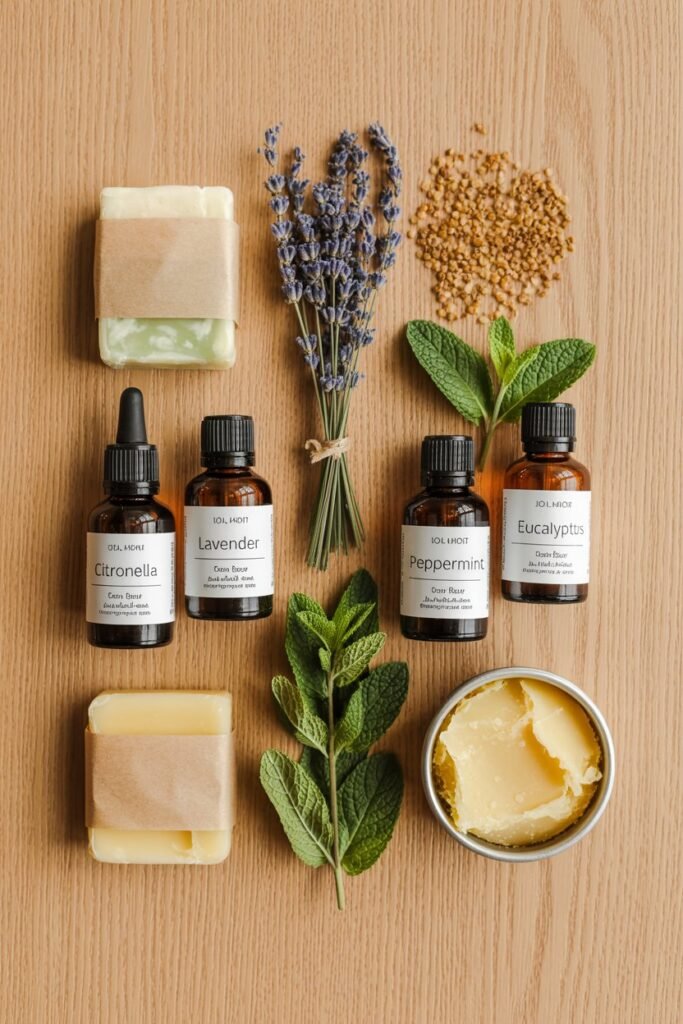
Natural bug repellent lotion bars rely mostly on scent. Certain essential oils contain compounds that insects tend to avoid.
When applied to the skin, the lotion bar slowly releases these aromas while creating a moisturizing layer over the skin.
The effectiveness depends on:
- The essential oils used
- The concentration
- Environmental conditions
- Sweat and water exposure
- Frequency of reapplication
Natural repellents generally need more frequent application than heavy chemical sprays, especially in hot weather or humid conditions.
Best Ingredients for Homemade Lotion Bars
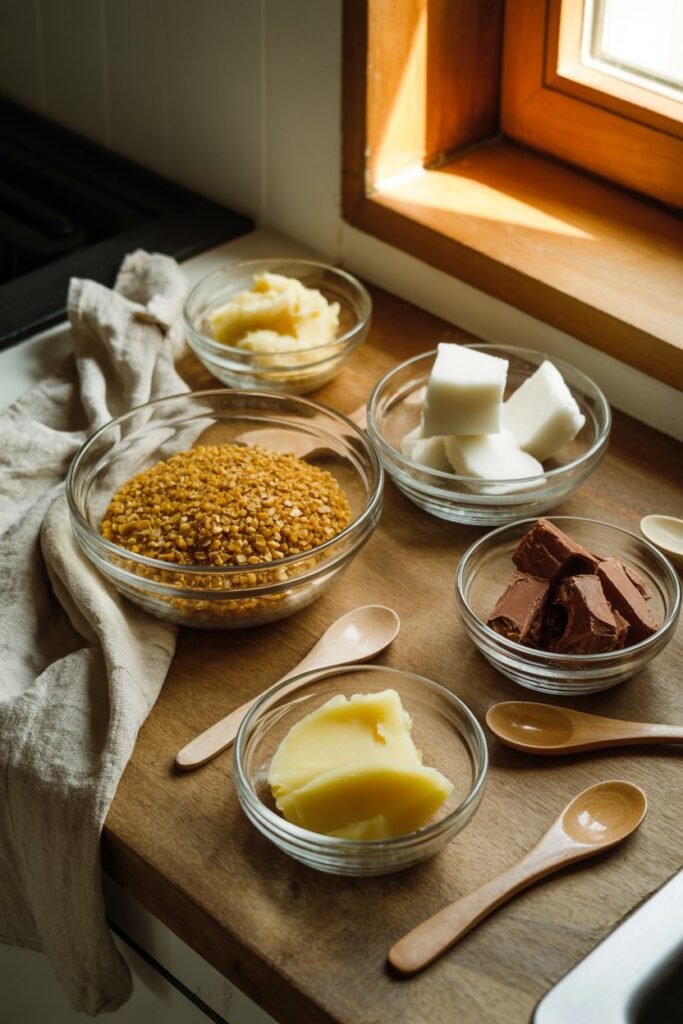
The beauty of making lotion bars at home is that you control every ingredient.
Here are the most common ingredients used in bug repellent lotion bars.
Beeswax
Beeswax gives the bars their solid shape and protective texture. It helps the bars stay firm even during warm summer weather.
Benefits include:
- Helps lock in moisture
- Creates a protective barrier
- Stabilizes the lotion bar
- Extends shelf life
If you live in a very hot climate, you may want slightly more beeswax to prevent melting.
Shea Butter
Shea butter is deeply nourishing and soothing for dry or irritated skin.
Benefits include:
- Rich in vitamins
- Softens skin
- Helps prevent dryness
- Gives lotion bars a creamy texture
Coconut Oil
Coconut oil is commonly used because it melts easily on contact with skin.
Benefits include:
- Moisturizing
- Smooth application
- Naturally lightweight
- Helps blend essential oils evenly
Refined coconut oil has less scent, while unrefined coconut oil has a stronger tropical aroma.
Cocoa Butter
Cocoa butter adds firmness and a rich texture.
Benefits include:
- Makes bars harder
- Smells naturally chocolatey
- Adds skin protection
- Helps bars last longer
Mango Butter
Mango butter is lighter than shea butter and absorbs beautifully into the skin.
Benefits include:
- Lightweight hydration
- Smooth finish
- Great for sensitive skin
Best Essential Oils for Natural Bug Repellent Lotion Bars
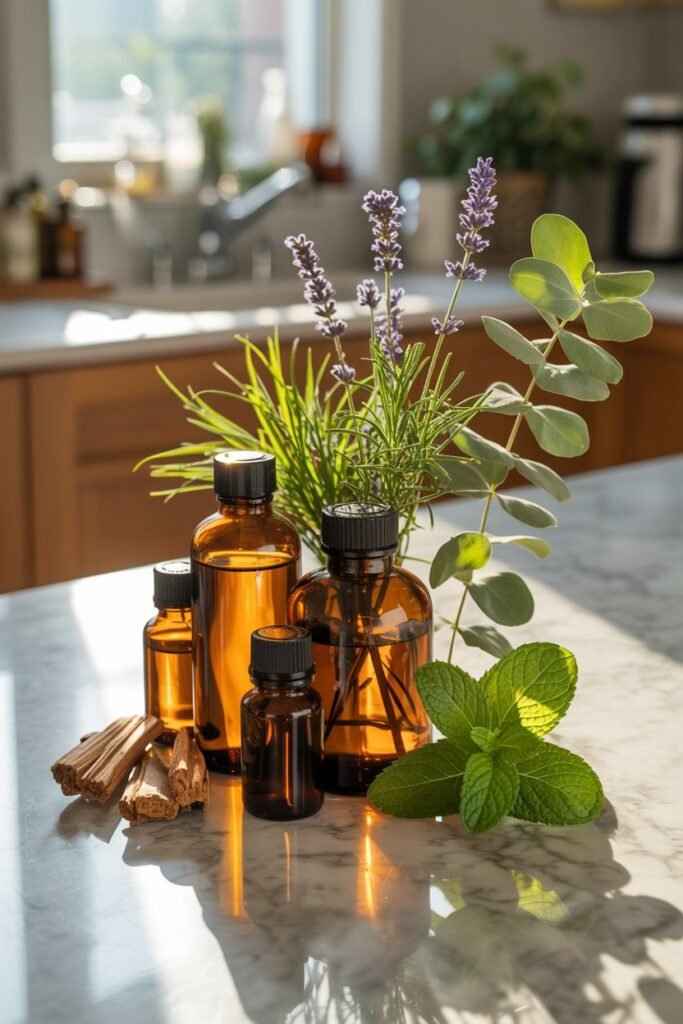
Essential oils are the heart of natural bug repellent recipes.
Here are some of the most commonly used options.
Citronella Essential Oil
Citronella is one of the most well-known natural insect-repelling oils.
It has a bright lemony scent and is often used in candles and outdoor sprays.
Lemon Eucalyptus Essential Oil
This oil is highly popular in natural bug repellent products.
It has a fresh scent and is often considered one of the more effective natural options against mosquitoes.
Lavender Essential Oil
Lavender has a calming floral scent while also helping discourage insects.
Many people like it because it balances stronger oils beautifully.
Peppermint Essential Oil
Peppermint creates a cooling sensation and strong minty aroma.
It is especially refreshing during hot weather.
Tea Tree Essential Oil
Tea tree oil has a sharp herbal scent and is commonly used in natural skincare products.
Cedarwood Essential Oil
Cedarwood adds a warm earthy aroma and blends well with citrus oils.
Lemongrass Essential Oil
Lemongrass smells bright and fresh while helping enhance the overall bug-repelling blend.
Geranium Essential Oil
Geranium has a floral scent that many people enjoy while insects tend to dislike.
Simple Homemade Bug Repellent Lotion Bar Recipe
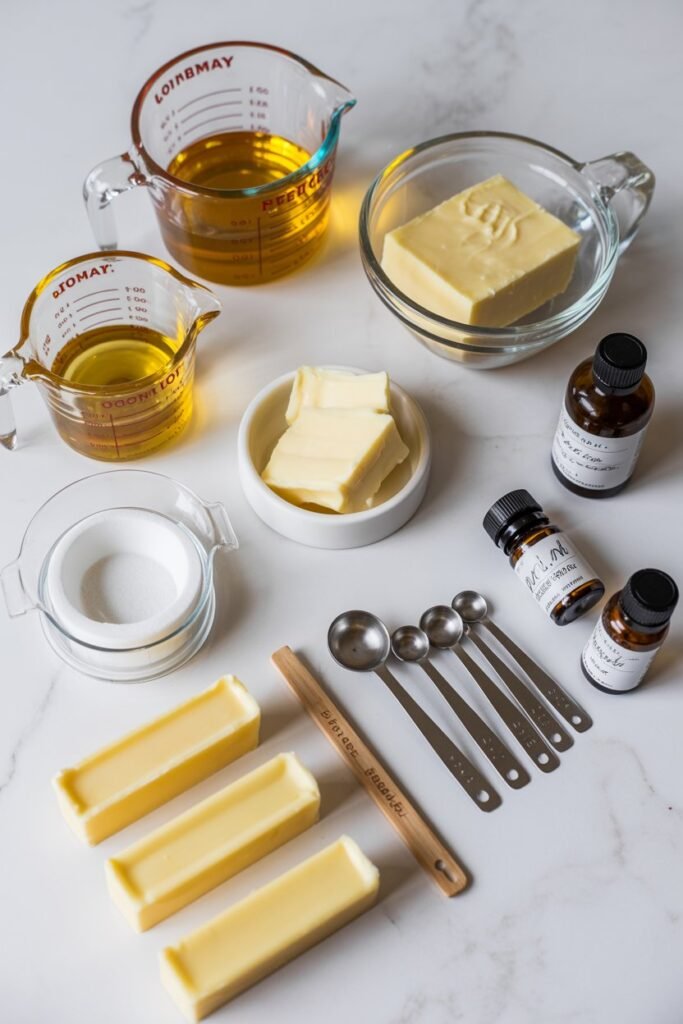
This beginner-friendly recipe is easy to customize and works well for summer use.
Ingredients
- 1/2 cup beeswax pellets
- 1/2 cup shea butter
- 1/2 cup coconut oil
- 20 drops citronella essential oil
- 15 drops lavender essential oil
- 10 drops lemon eucalyptus essential oil
- 10 drops peppermint essential oil
Equipment Needed
- Double boiler or heat-safe bowl
- Silicone molds
- Measuring cups
- Stirring spoon
- Storage tins or containers
Step-by-Step Instructions
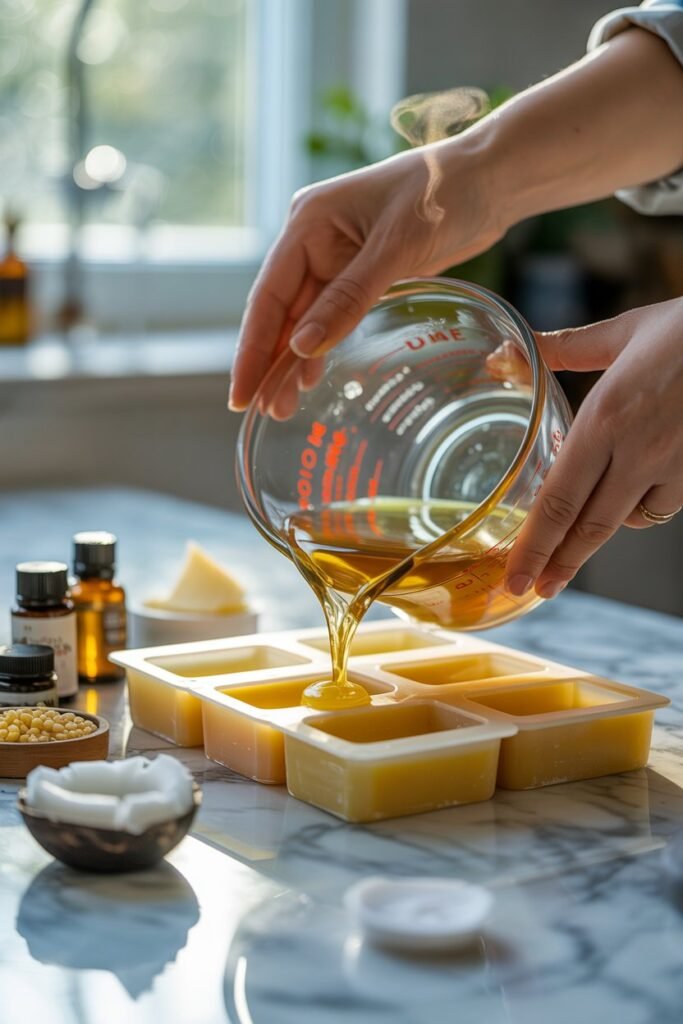
Step 1: Prepare Your Workspace
Clean and dry all tools and molds before beginning. Moisture can affect the texture and shelf life of your lotion bars.
Place silicone molds on a flat tray or baking sheet for easier movement later.
Step 2: Melt the Base Ingredients
Add beeswax, shea butter, and coconut oil into a double boiler over low heat.
Stir slowly until fully melted and smooth.
Avoid overheating because high temperatures can reduce the quality of both butters and essential oils.
Step 3: Remove From Heat
Once everything has melted completely, remove the mixture from heat and allow it to cool slightly for a minute or two.
This helps preserve the essential oils.
Step 4: Add Essential Oils
Add your essential oils and stir thoroughly to distribute them evenly throughout the mixture.
The aroma should smell balanced but noticeable.
Step 5: Pour Into Molds
Carefully pour the liquid mixture into silicone molds or metal tins.
Work slowly to avoid spills.
Step 6: Let the Bars Harden
Allow the lotion bars to cool completely at room temperature or place them in the refrigerator for faster setting.
Most bars harden within 1 to 3 hours.
Step 7: Remove and Store
Once fully hardened, pop the bars out of the molds and store them in airtight containers.
How to Use Bug Repellent Lotion Bars
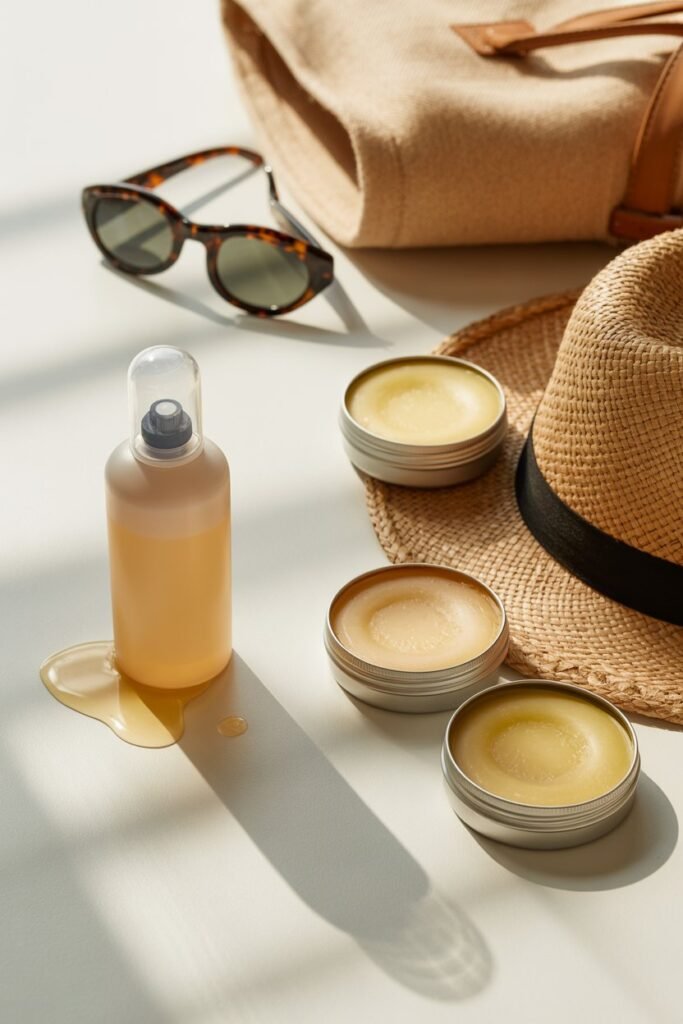
Using lotion bars is very simple.
Rub the bar gently over exposed skin areas such as:
- Arms
- Legs
- Ankles
- Neck
- Shoulders
Body heat softens the bar slightly, allowing a thin layer to transfer onto the skin.
For best results:
- Apply before going outdoors
- Reapply every 1 to 2 hours outdoors
- Reapply after swimming or sweating heavily
Why Lotion Bars Are Better Than Sprays for Many People
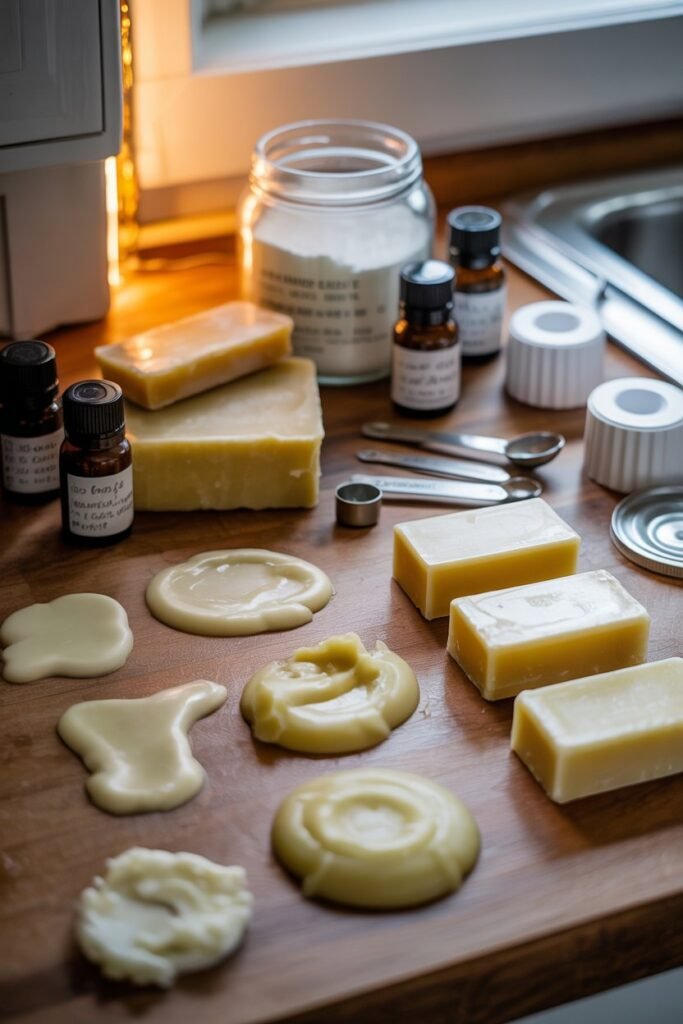
Many people switch from sprays to lotion bars because they prefer the overall experience.
No Airborne Mist
Sprays can accidentally get into your eyes, mouth, or lungs. Lotion bars avoid this issue completely.
Easier for Kids
Parents often find lotion bars easier and safer to apply on children because there is less mess and overspray.
Great for Travel
Lotion bars are TSA-friendly and less likely to leak in luggage.
Less Waste
One solid lotion bar can last a surprisingly long time.
Common Mistakes Beginners Make
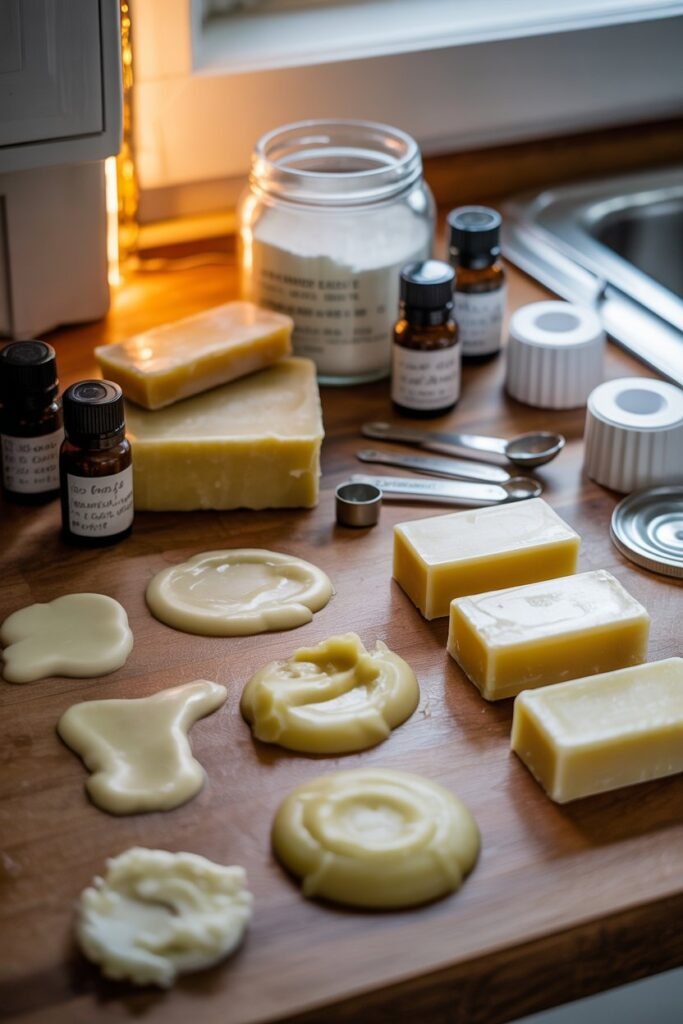
Making lotion bars is easy, but a few mistakes can affect the final product.
Using Too Much Coconut Oil
Too much coconut oil can make the bars overly soft, especially in hot climates.
Adding Essential Oils to Extremely Hot Mixture
High heat can weaken essential oils and reduce their scent.
Using Poor-Quality Essential Oils
Cheap oils may not perform well and could irritate the skin.
Not Testing Texture First
Before pouring the full batch, test a spoonful on parchment paper to see how firm it becomes.
How to Customize Your Lotion Bars
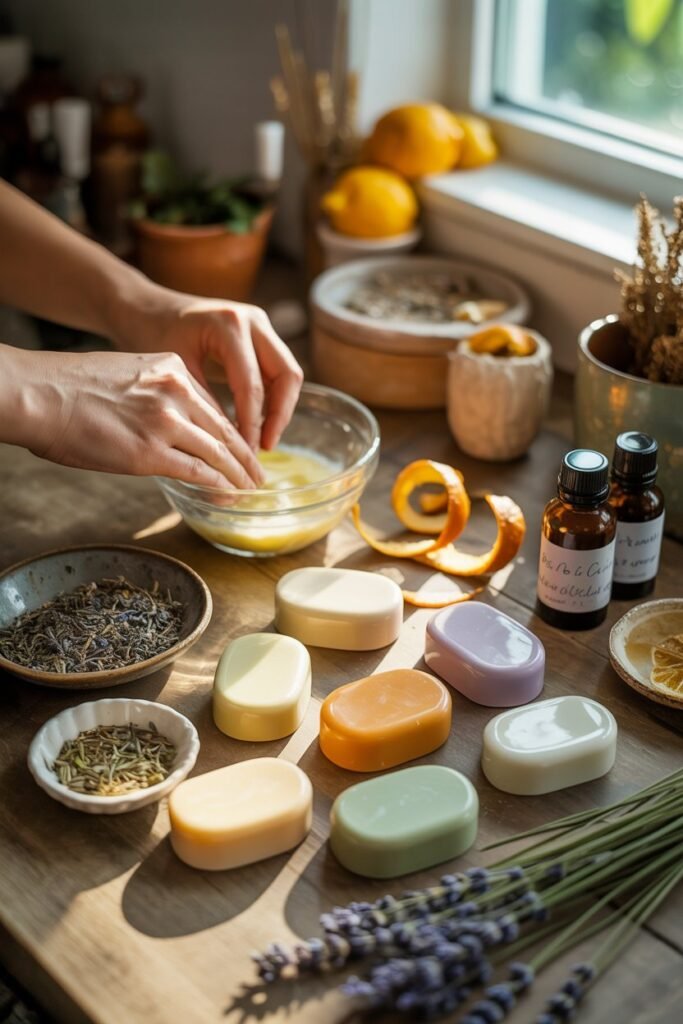
One of the best parts of homemade skincare is customization.
For Hot Climates
Increase beeswax slightly for firmer bars.
For Sensitive Skin
Use gentler oils like lavender and reduce stronger mint oils.
For Dry Skin
Add extra shea butter or cocoa butter.
For a Stronger Herbal Scent
Blend cedarwood, citronella, and tea tree.
For a Fresh Summer Scent
Blend lemon eucalyptus, lavender, and lemongrass.
Best Molds for Lotion Bars
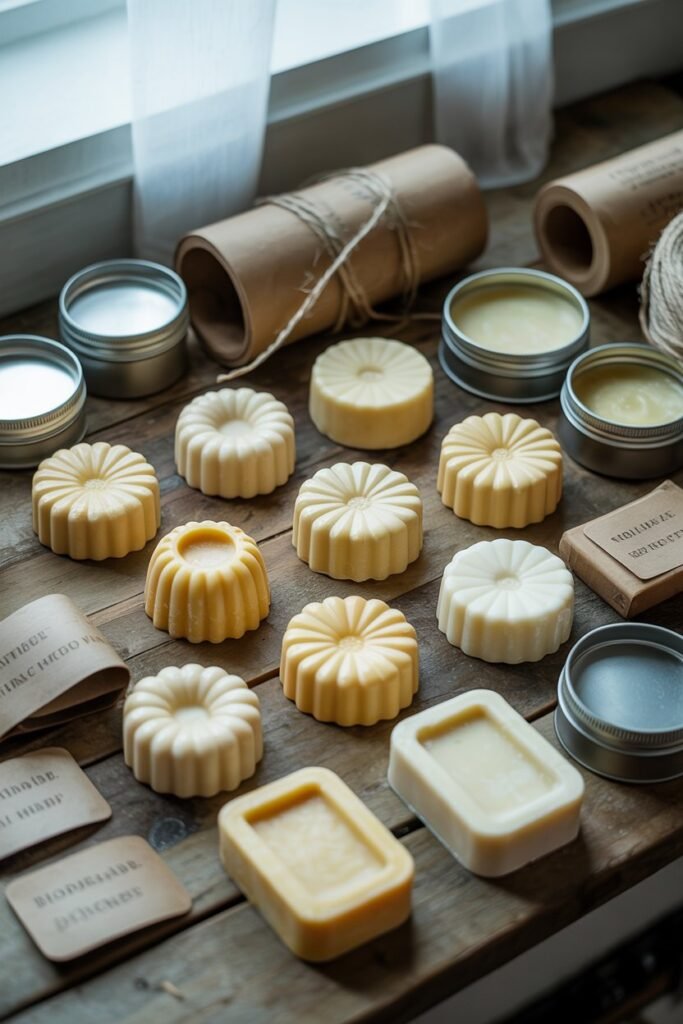
The mold you choose affects both appearance and convenience.
Popular options include:
- Silicone muffin molds
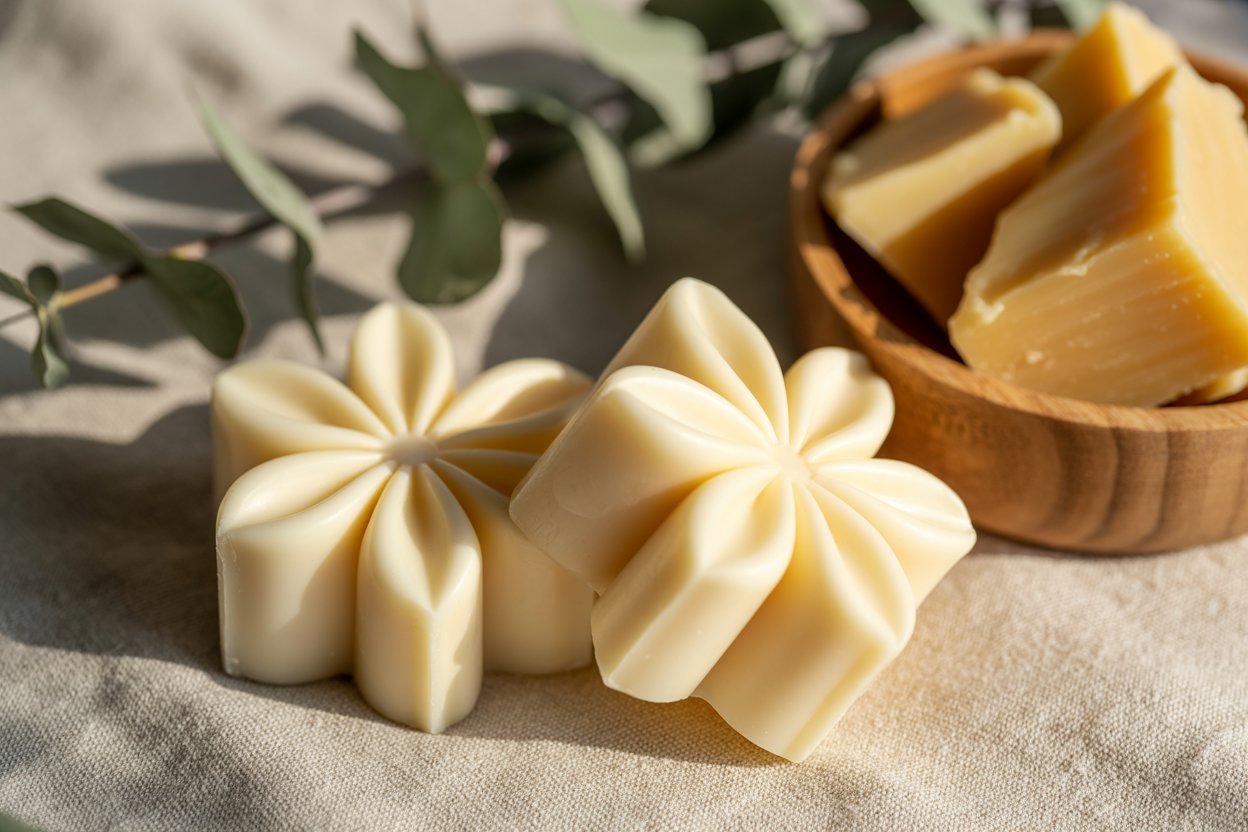
- Flower-shaped molds
- Rectangle soap molds
- Push-up tubes
- Small metal tins
Silicone molds are usually easiest for beginners because the bars pop out cleanly.
How to Store Lotion Bars Properly
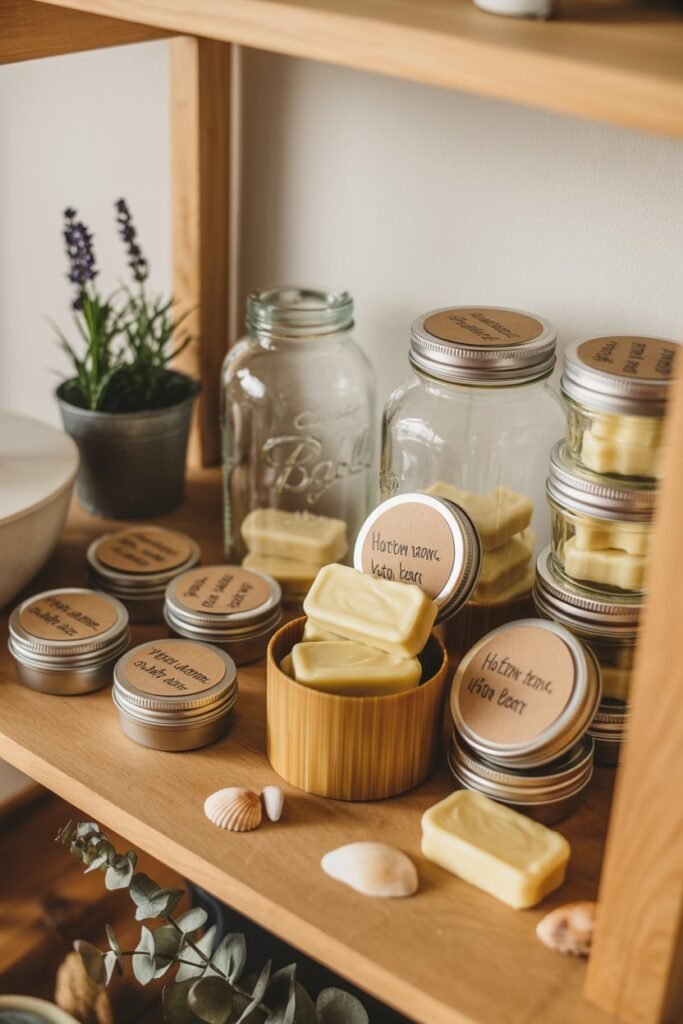
Proper storage helps lotion bars last longer.
Keep them:
- Away from direct sunlight
- In cool dry areas
- Inside airtight containers
- Away from moisture
During extremely hot summer days, refrigeration may help prevent softening.
Shelf Life of Homemade Lotion Bars
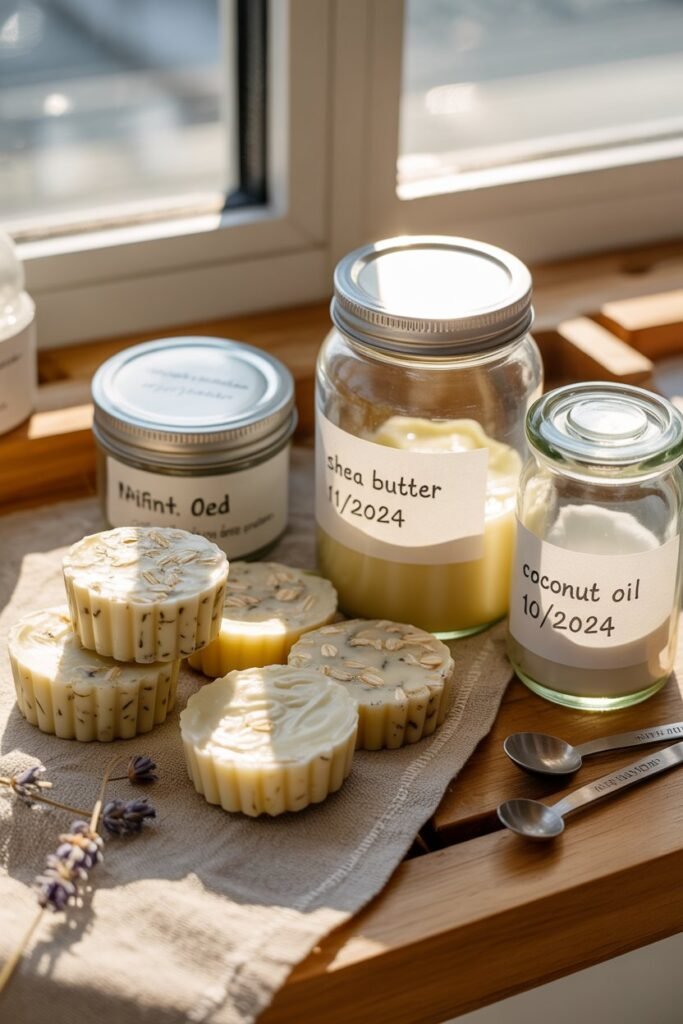
Most homemade lotion bars last around 6 to 12 months depending on ingredients and storage conditions.
Signs the bars should be discarded include:
- Rancid smell
- Texture changes
- Mold
- Strange discoloration
Using clean dry hands during application helps extend shelf life.
Can You Use Lotion Bars on Kids?

Many families use natural lotion bars for children, but caution is important.
Always:
- Use kid-safe essential oils
- Avoid overly strong concentrations
- Patch test first
- Consult a healthcare professional if unsure
Some essential oils are not recommended for very young children.
Can Lotion Bars Replace Traditional Mosquito Spray?

Natural lotion bars can help discourage insects, but effectiveness varies.
For casual outdoor activities, gardening, picnics, and backyard evenings, many people find them helpful and convenient.
However, in areas with heavy mosquito exposure or insect-borne disease concerns, stronger protection methods may sometimes be necessary.
Budget-Friendly Tips for Making Lotion Bars
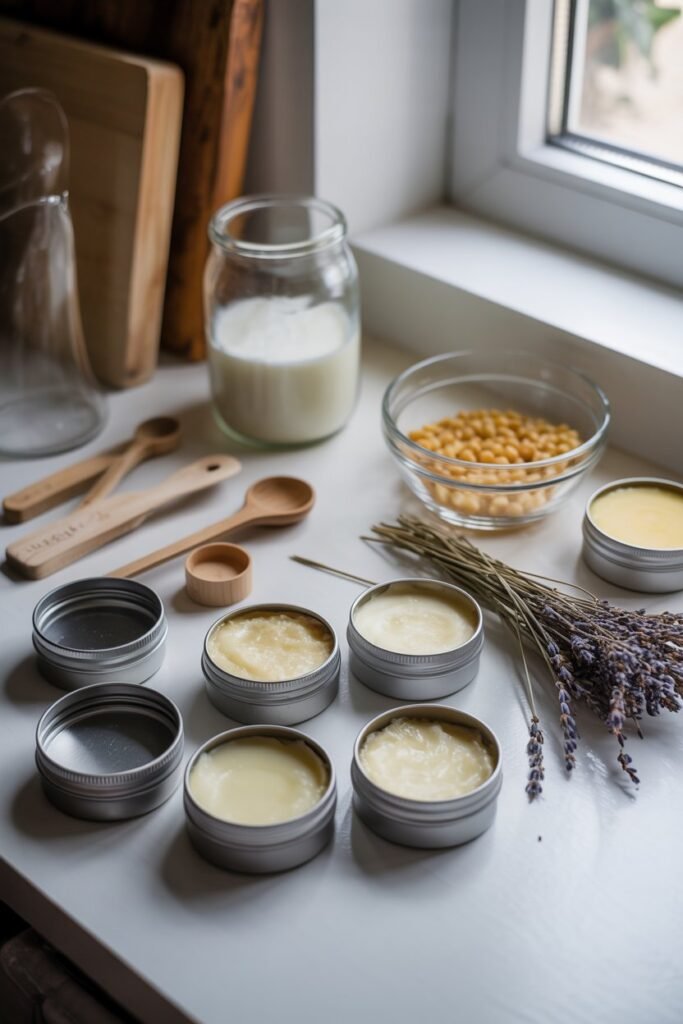
You do not need expensive ingredients to make effective lotion bars.
Here are some ways to save money.
Buy Ingredients in Bulk
Beeswax pellets and butters are usually cheaper in larger quantities.
Reuse Containers
Clean metal tins work perfectly for storage.
Start With Small Batches
Test recipes before making large quantities.
Use Multi-Purpose Ingredients
Ingredients like coconut oil and shea butter can also be used for body care and lip balms.
Fun Ways to Gift Homemade Lotion Bars
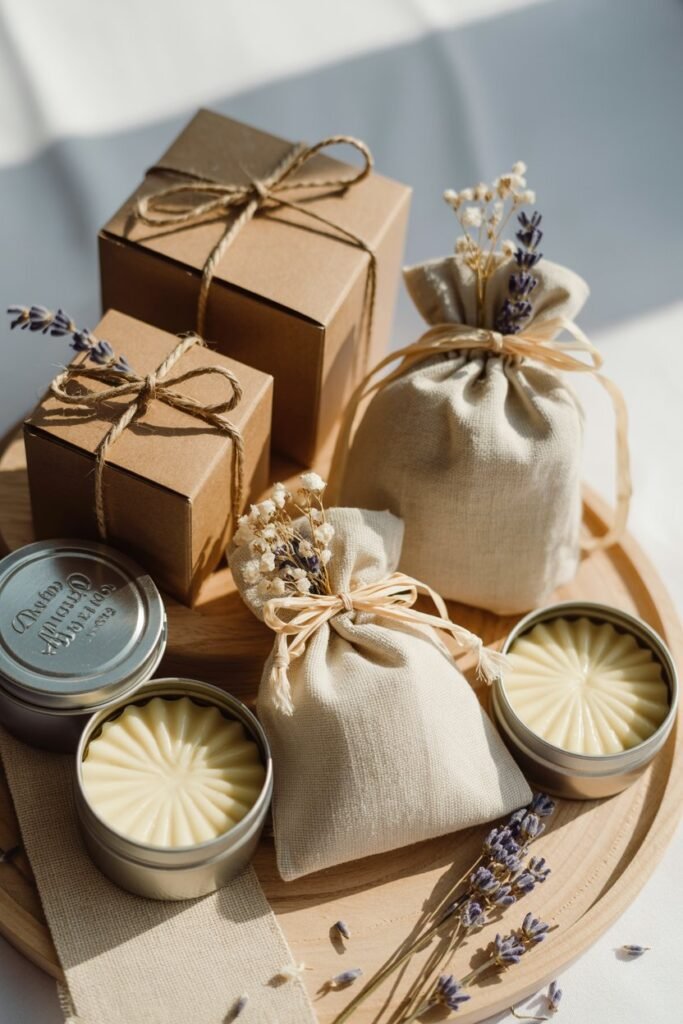
Bug repellent lotion bars make thoughtful summer gifts.
You can package them in:
- Small reusable tins
- Kraft paper boxes
- Cotton bags
- Mason jars
They are great for:
- Camping gifts
- Summer party favors
- Beach trip baskets
- Outdoor wedding favors
- Mother’s Day gifts
Eco-Friendly Benefits of Lotion Bars
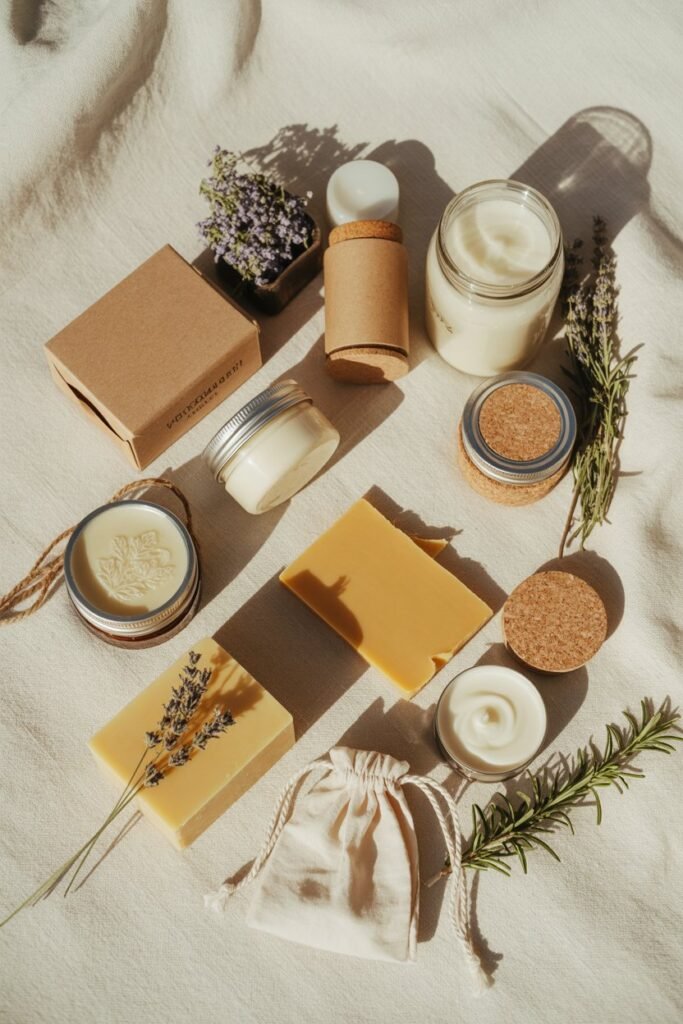
Homemade lotion bars are also environmentally friendly.
Benefits include:
- Less plastic waste
- Fewer aerosol containers
- Reduced packaging
- Minimal product waste
- Reusable storage options
This makes them a wonderful choice for people trying to reduce household waste naturally.
Frequently Asked Questions
Do lotion bars melt in hot weather?
They can soften if exposed to high heat for long periods. Adding extra beeswax helps create firmer bars.
How often should I reapply them?
Most natural bug repellent lotion bars should be reapplied every 1 to 2 hours outdoors.
Can I use vegan alternatives instead of beeswax?
Yes. Candelilla wax is a popular vegan substitute, though it creates a firmer texture.
Can I use fragrance oils instead of essential oils?
Essential oils are generally preferred because many fragrance oils do not have insect-repelling properties.
Are lotion bars greasy?
A well-balanced recipe should absorb nicely without feeling overly greasy.
Final Thoughts
Natural bug repellent lotion bars are one of the easiest and most satisfying homemade summer products you can make.
They are practical, moisturizing, portable, and far less messy than traditional bug sprays.
What makes them especially appealing is how customizable they are.
You can create blends that smell fresh, calming, herbal, or citrusy while adjusting the texture to suit your climate and skin type.
Whether you spend your summers gardening, camping, hiking, relaxing at the beach, or simply enjoying evenings outside, these lotion bars can become a simple part of your warm-weather routine.
Once you make your first batch, you may never want to go back to sticky sprays again.