12 Months to Starting Your Homestead: My Family’s Yearlong Journey to Self-Sufficiency
If you’ve ever wanted to have homesteading, but felt overwhelmed by where to start, you’re not alone.
After spending years exploring frugal living and healthier habits month by month, I realized there was one more journey I wanted to document: a full year of homesteading, learning to grow, cook, and live more self-sufficiently each month.”
Whether you live in the city, a small town, or out in the country, there’s always a way to start. You don’t need a sprawling farm or a dozen animals to begin; what matters is taking that first step.
My family and I have been through it, and trust me, homesteading is a journey—sometimes slow, sometimes messy, but always worth it.
Disclaimer: This post contains affiliate links. If you make a purchase through these links, we may earn a small commission at no extra cost to you.
Amazon Shopping List: Homestead
- Raised Garden Bed Kit
Perfect for growing vegetables, herbs, and fruits right at home.
BUY NOW ON AMAZON - Compost Bin
Helps turn kitchen and garden waste into nutrient-rich soil for your homestead.
BUY NOW ON AMAZON - Gardening Tools Set
Essential for planting, digging, and maintaining your garden efficiently.
BUY NOW ON AMAZON - Chicken Coop Kit
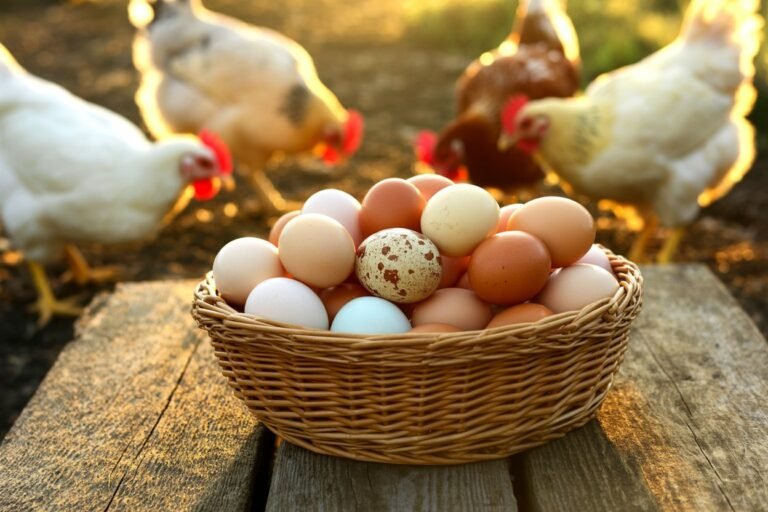
Ideal for raising chickens and producing fresh eggs at home.
BUY NOW ON AMAZON - Watering Can or Hose System
Keeps your plants hydrated and thriving throughout the seasons.
BUY NOW ON AMAZON
Why Homesteading is a Journey

For me, homesteading never felt like something you just start overnight—it’s a process that slowly grows into your daily life.
In my home, between family routines, time in the kitchen, and everything else going on, it became clear that starting a homestead for beginners is really about small, consistent steps rather than big, sudden changes.
At first, I thought I needed everything figured out—land, tools, systems—but that’s not how it works in real life.
Instead, I started with simple habits like cooking more from scratch, being mindful of what we use, and learning little by little.
That’s when I realized self-sufficient living is less about perfection and more about progress.
There are days when everything feels easy, and other days when it doesn’t go as planned. But that’s exactly why it’s a journey.
You learn, adjust, and keep going. It naturally becomes part of your lifestyle instead of something separate you have to manage.
Over time, those small changes add up. What starts as curiosity turns into routine, and before you know it, you’re building a more intentional way of living—one step at a time.
Month-by-Month Homesteading Plan
Here’s a practical roadmap that my family and I follow. Think of it as a homesteading checklist—12 months of achievable steps to grow your skills, confidence, and independence.
Month 1: Learn & Research

By Month 1 of our homesteading journey, everything started with one simple thing—learning.
Before any real changes were made, I spent time understanding what homesteading for beginners actually looks like and what self-sufficient living really means in everyday life.
In my home, I would often find myself reading, researching, and quietly thinking about how this lifestyle could realistically fit into our daily routine.
It wasn’t about doing everything at once—it was about gathering information, understanding the basics, and slowly building confidence.
I also started paying more attention to the small things at home.
From how we manage food in the kitchen to how we handle daily habits, I began seeing opportunities where things could become more intentional and less dependent on store-bought convenience.
What I liked most about this stage is that there was no pressure. Month 1 was simply about learning, observing, and imagining what a homestead lifestyle could look like for us in real life.
It reminded me that every big change starts with awareness—and homesteading is no different.
Month 2: Start Planning Your Garden
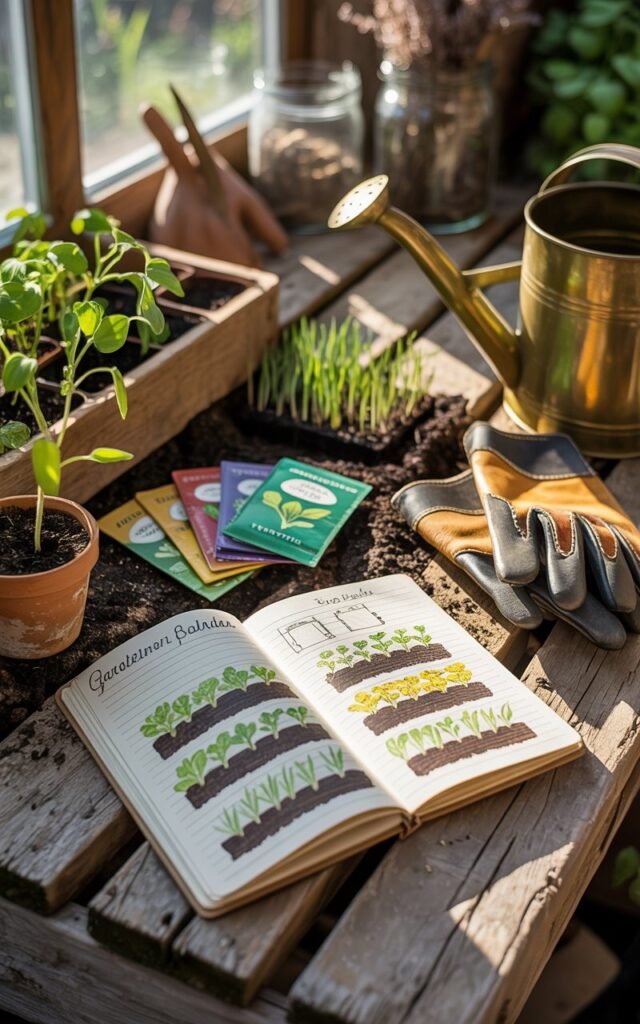
By Month 2 of our homesteading journey, I started focusing on something that felt exciting but also a little new for me—planning a home garden.
As part of our growing homestead lifestyle, this step felt like laying the foundation for future self-sufficient living, even before anything was actually planted.
At this stage, it was all about observation and planning. I spent time thinking about where a garden could realistically fit, what we could grow, and how it would work with our everyday routines at home.
Some days I’d be going through the kitchen, looking at what we already use often, and mentally mapping out what could eventually come from our own backyard.
What I liked about this part of homesteading for beginners is that it didn’t require rushing into anything.
It was more about learning, planning, and imagining what our space could become over time. It made the whole idea of gardening feel less overwhelming and more achievable.
I also started thinking practically—what grows well in our environment, what we actually eat as a family, and how a small garden could support our goal of self-sufficient living at home.
Month 2 reminded me that homesteading doesn’t start with action alone—it starts with planning, patience, and building a clear vision of the life you want to create step by step.
Month 3: Master Cooking from Scratch
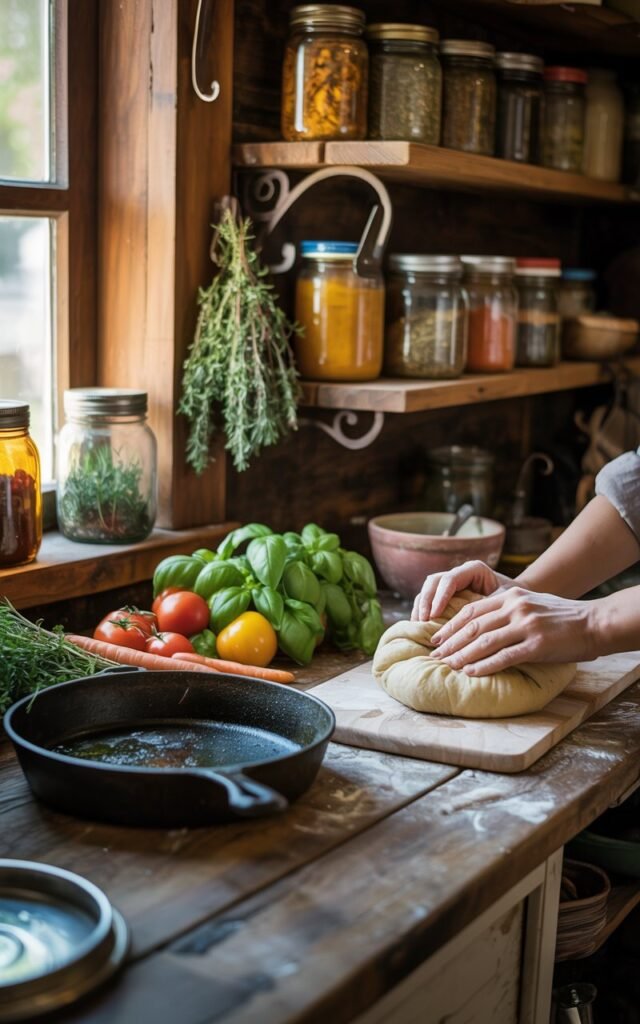
By Month 3 of our homesteading journey, I really started focusing on one of the most important skills for self-sufficient living—learning how to cook more things from scratch.
It felt like a natural step in our homestead lifestyle, especially as I became more mindful of what we were bringing into our home and serving every day.
At first, it was just simple meals. Instead of relying on packaged foods, I started using basic ingredients and building everything myself in the kitchen.
Some days I’d be cooking while family life was happening around me, just slowly getting used to doing things the longer, more intentional way.
What I liked most about this stage is how it changed my relationship with food.
I started understanding ingredients more clearly and appreciating the process of making things from scratch.
It wasn’t about being perfect—it was about learning and improving little by little as part of our homesteading for beginners journey.
Over time, it also made me feel more in control of what we eat at home.
Simple recipes, fresh ingredients, and a slower approach to cooking started becoming a normal part of daily life, and it fit naturally into our routine.
Month 3 reminded me that homesteading really begins in the kitchen—one simple meal at a time, built with intention and consistency.
Month 4: Build a Chicken Coop
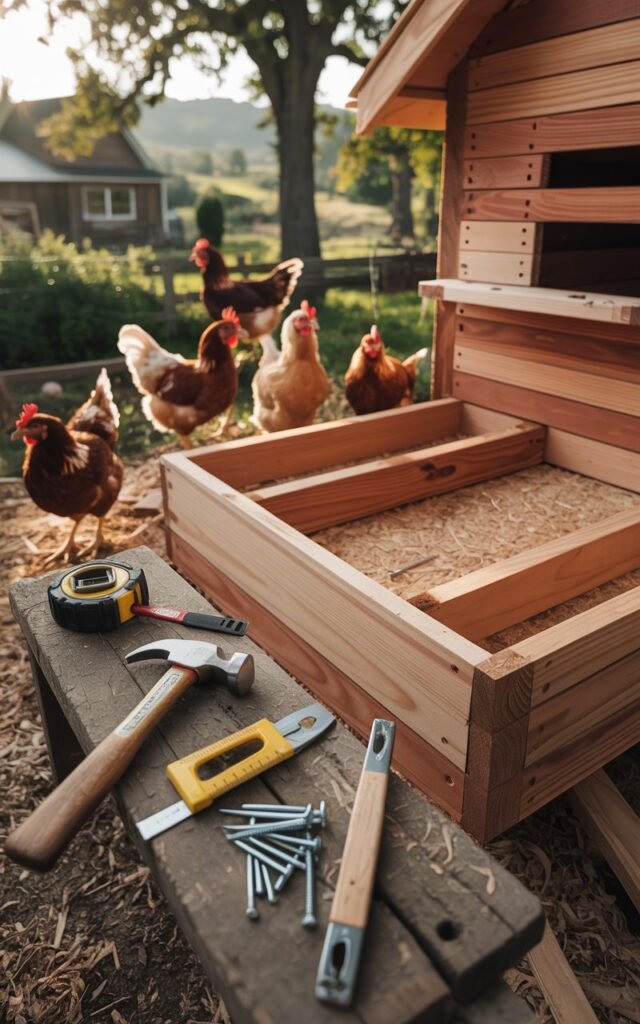
By the time we reached Month 4 of our homesteading journey, things started to feel more real.
In my home, between daily family routines and time spent in the kitchen, I began thinking more seriously about what self-sufficient living actually looks like in everyday life.
That’s when building a chicken coop for beginners became one of our main goals.
It wasn’t about doing everything perfectly—it was about starting somewhere practical.
I remember walking around the yard, thinking about where it would fit best, while the kids were playing nearby and life was just happening as usual.
It felt simple, but also like a real step forward in our homestead lifestyle.
We focused on keeping the structure basic and functional. The goal was to create a safe space for chickens without overcomplicating the process.
For me, that’s what starting a homestead has been all about—choosing small, manageable projects that still move us closer to a more self-sufficient home setup.
Even though it was just one step in a long journey, building the chicken coop made everything feel more intentional.
It was a reminder that homesteading isn’t one big change—it’s a series of small, real-life steps that slowly build something meaningful over time.
Month 5: Bring Home Your First Chicks
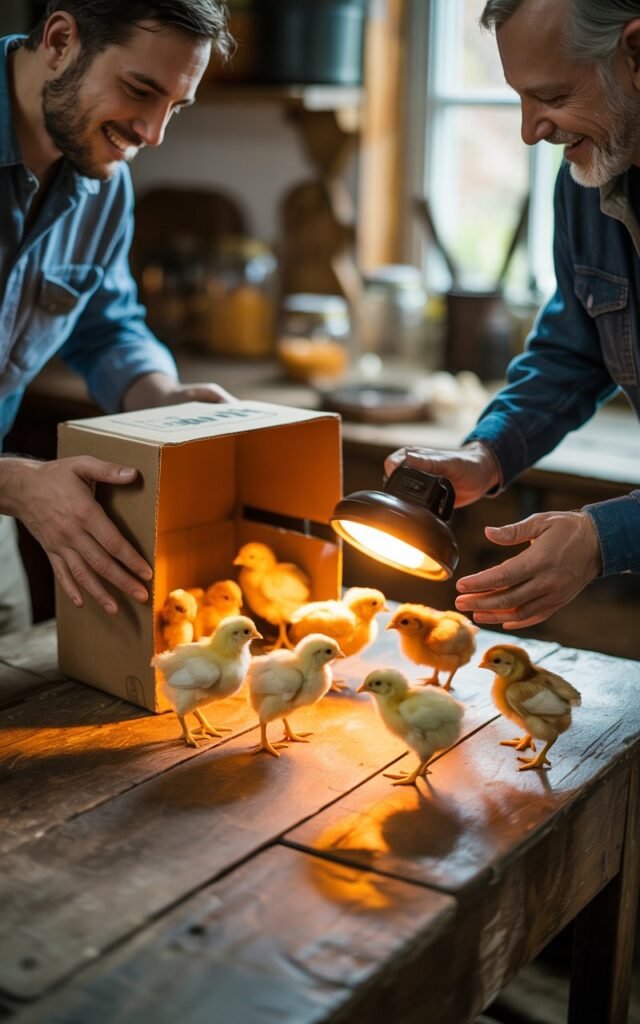
By Month 5 of our homesteading journey, things started to feel even more real for us.
In my home, between everyday routines and time spent with family, the idea of actually bringing animals into our homestead lifestyle suddenly became exciting and a little emotional in the best way.
Bringing home our first chicks wasn’t something rushed—it felt like the natural next step after building the chicken coop in Month 4.
I remember the day clearly, moving between the kitchen and the yard, with the kids just as excited as I was. It felt like one of those simple family moments that turns into a core memory.
We focused on keeping things gentle and easy, especially as beginners learning about raising backyard chickens for the first time.
Everything from feeding to keeping them warm felt new, but also strangely natural once we got into a routine. It wasn’t perfect, but it was real, and that’s what mattered most.
What I noticed quickly is how much this small step changed our daily rhythm.
It added responsibility, yes, but also a sense of connection to what self-sufficient living actually means in real life—not just an idea, but something you care for every day.
Looking back, Month 5 wasn’t just about bringing home chicks. It was about stepping deeper into our homesteading for beginners journey, one small, living part of it at a time.
Month 6: Start Preserving Food

By Month 6 of our homesteading journey, I started paying more attention to something that felt both simple and important—food preservation.
In my home, between cooking in the kitchen and managing everyday family routines, I began to realize how much food we normally depend on from the store, and how powerful it feels to learn even small ways of preserving it ourselves.
It didn’t start complicated. I just began with basic ideas like saving extra produce, freezing portions, and learning simple methods of home food preservation for beginners.
Some days I’d be in the kitchen while the kids were around, and I’d just quietly set aside things instead of letting them go to waste. It felt small, but meaningful.
What I liked most about this step in our homestead lifestyle is that it naturally fits into everyday life.
You don’t need a perfect setup—you just need consistency. Little by little, I started thinking differently about how we use food, store it, and plan ahead.
It also made me feel more connected to the idea of self-sufficient living.
Instead of relying on everything being fresh from the store all the time, I was slowly learning how to make things last longer in my own kitchen.
It wasn’t about doing everything at once—it was just another steady step in our homesteading for beginners journey.
Month 6 reminded me that homesteading isn’t just about growing or raising things—it’s also about learning how to use what you already have more wisely.
Month 7: Expand Your Animal Care Skills
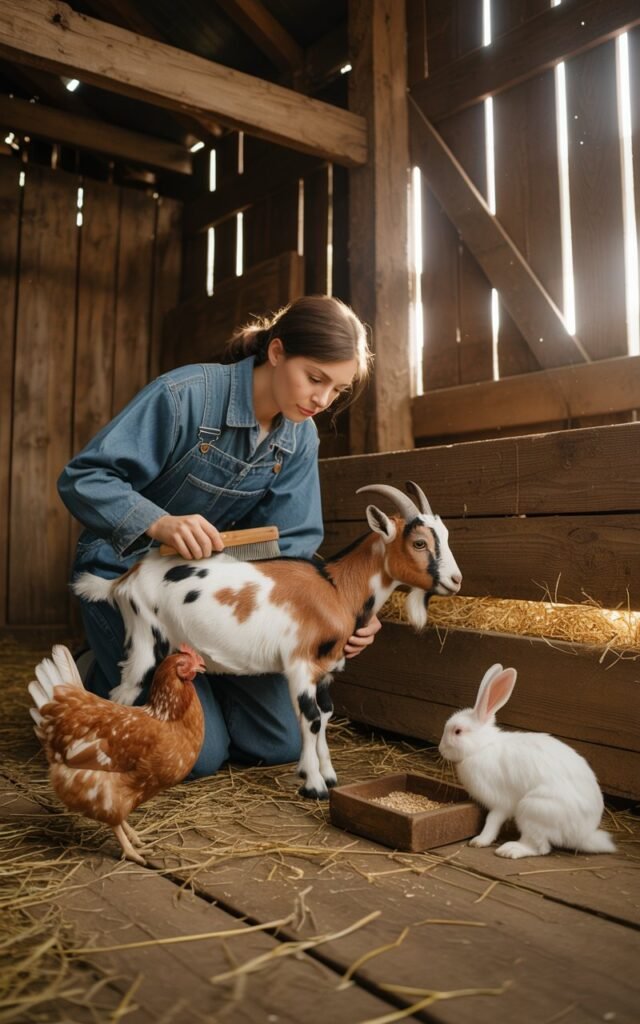
By Month 7 of our homesteading journey, I started to feel more confident with our daily routines, especially when it came to caring for animals.
In my home, between family life, kitchen routines, and everything else happening day to day, looking after our chicks became more than just a task—it became part of our natural rhythm.
At this stage of our homestead lifestyle, I focused more on learning proper animal care skills for beginners, especially feeding routines, cleanliness, and just paying closer attention to their behavior.
It wasn’t anything complicated, but it required consistency and patience.
I noticed how much these small responsibilities blended into everyday life. Some mornings I’d step outside with the kids, check on them, and then come back into the kitchen to continue the day.
It all just started to feel connected—home, family, and animals working together in a simple flow.
What stood out to me most during this month was how much learning happens just by observing.
You don’t always need to do everything perfectly—you just need to stay consistent and willing to adjust. That’s something I’ve really learned through this self-sufficient living journey.
Month 7 wasn’t about big changes—it was about building confidence.
Slowly, I started to understand that homesteading for beginners is really about growing into the process, one small skill at a time.
Month 8: Compost & Soil Improvement
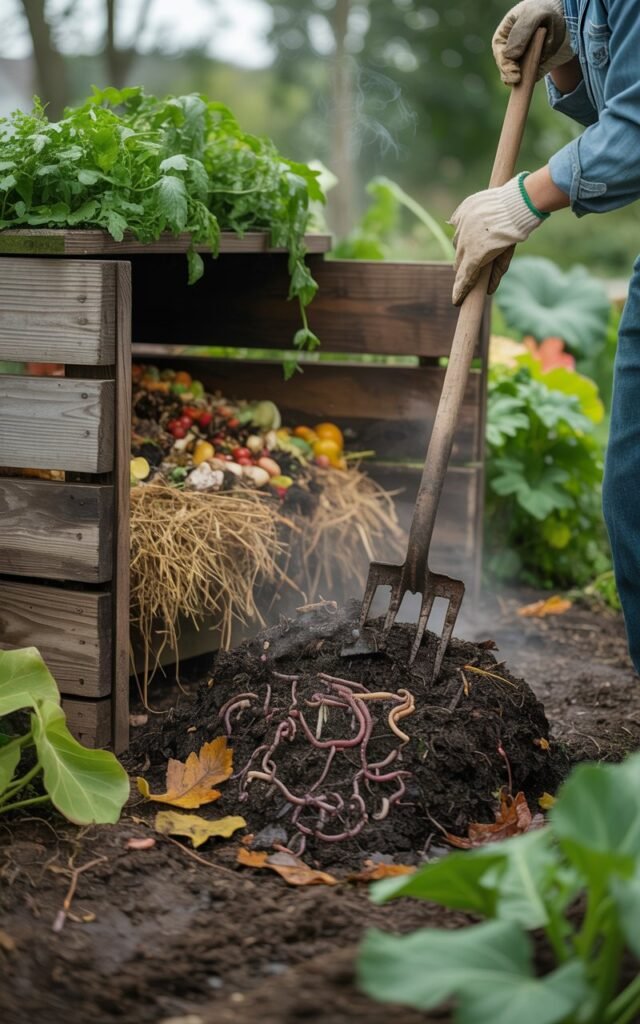
By Month 8 of our homesteading journey, I started paying more attention to what was happening under our feet—literally.
In my home, between kitchen routines, family life, and the usual day-to-day flow, I began noticing how much food waste we naturally create and how it could actually be turned into something useful through composting for beginners.
It started very simply. Instead of throwing everything away, I began separating kitchen scraps and thinking more intentionally about how they could support our homestead lifestyle.
Some days I’d be cleaning up after cooking in the kitchen while the kids were around, and I’d pause and set certain things aside, realizing they didn’t need to go to waste.
Learning about soil improvement and composting felt like another small but important step toward self-sufficient living.
It wasn’t complicated—it was just a shift in mindset. Over time, I started understanding how natural waste can turn into something valuable for growing and improving soil quality.
What I liked most about this stage is how it connects everything together.
Food from the kitchen, waste from daily life, and the idea of growing things all start to feel like part of one cycle instead of separate tasks.
Month 8 reminded me again that homesteading for beginners isn’t about doing everything at once—it’s about slowly building systems that make everyday life more intentional and less wasteful.
Month 9: Preserve & Rotate Crops
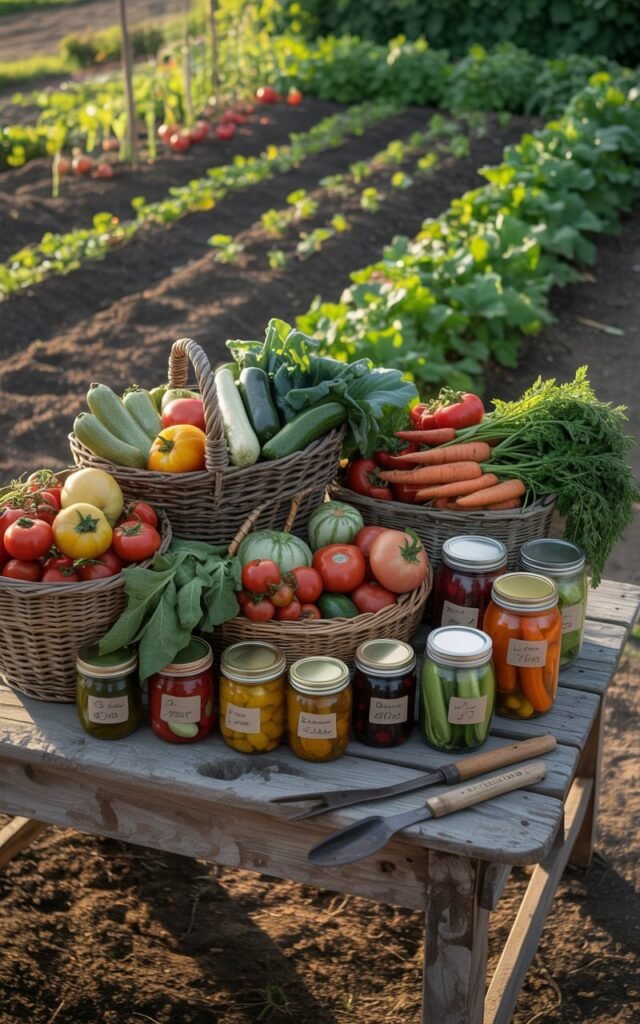
By Month 9 of our homesteading journey, things started to feel more structured in a quiet, natural way.
In my home, between everyday kitchen routines and family life happening all around me, I began thinking more seriously about how to manage what we grow and how to make it last longer through food preservation and crop rotation for beginners.
At this point in our homestead lifestyle, I was no longer just focused on starting things—I was learning how to maintain them.
I started looking at what we had, what was growing, and how to use everything more wisely instead of letting anything go to waste. It felt like a small shift, but it changed how I approached daily living.
Some days, I’d be in the kitchen while the kids were around, setting aside food, thinking ahead, and planning how to store things properly.
Other times, I’d be outside just observing what was growing and thinking about how rotating crops could help keep the soil healthier and more productive over time.
This stage really made me understand how important planning is in self-sufficient living.
It’s not just about growing food—it’s about making sure it keeps working for you in different ways throughout the year.
Month 9 reminded me that homesteading for beginners becomes more meaningful when you start connecting the cycles—growing, preserving, and reusing everything in a thoughtful, intentional way.
Month 10: Focus on DIY Projects
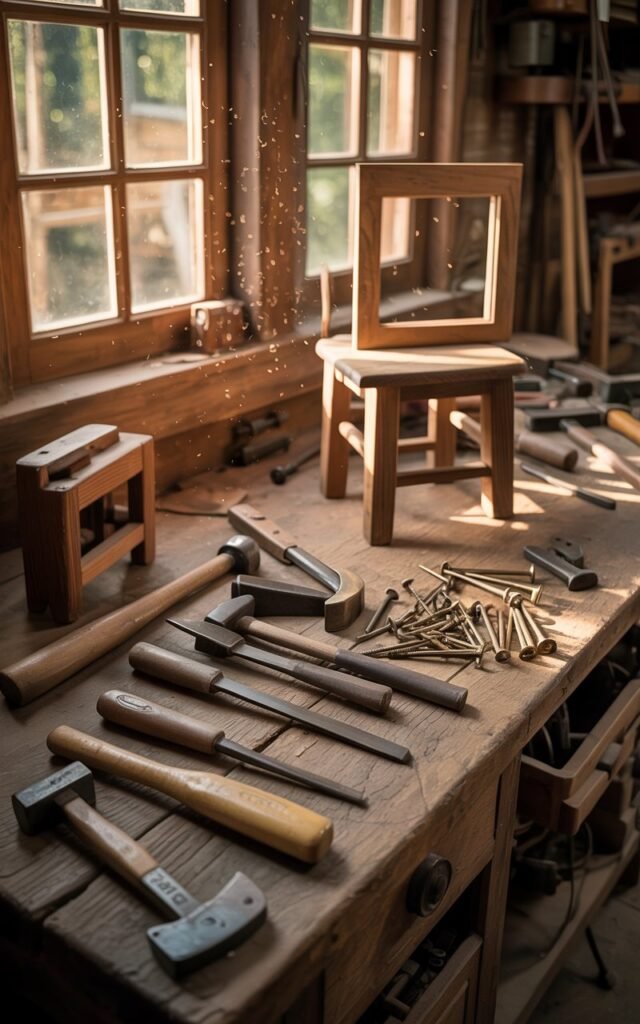
By Month 10 of our homesteading journey, I naturally found myself leaning more into DIY projects for homesteading beginners.
I started noticing how many small things around the home could actually be made, fixed, or improved instead of always being bought new.
It began with simple, practical ideas—small storage solutions, home fixes, and little improvements that made everyday living easier and more organized.
Some days I’d pick up a small project while moving through my day, and it felt good to slowly see things coming together in a more intentional way.
What I really enjoy about this part of our homestead lifestyle is how creative it feels. You don’t need anything complicated—just basic tools, simple materials, and a willingness to try.
Over time, these small DIY homesteading projects started making the home feel more functional and well thought out.
This stage also deepened my understanding of self-sufficient living. It’s not only about food or animals, but also about learning how to handle more things on your own in practical, everyday ways.
Month 10 reminded me that homesteading for beginners is built on small, useful actions that gradually shape a more independent and mindful way of living.
Month 11: Prep for Winter

By Month 11 of our homesteading journey, I started shifting my focus toward preparing for colder days ahead.
It felt like the natural next step in our homestead lifestyle, making sure everything we had built and learned throughout the year would carry us comfortably into winter.
This stage was all about planning ahead—checking what we already had, organizing supplies, and making small adjustments around the home.
I started thinking more carefully about warmth, food storage, and how to keep daily routines simple and steady during colder months.
Some days I would be in the kitchen sorting through what we had preserved earlier in the year, making sure everything was stored properly and ready to use.
Other times, I’d just take a slow look around the home and think about what needed to be ready before the weather changed.
What I’ve learned through this part of self-sufficient living is that preparation doesn’t have to feel overwhelming.
It’s really just about staying a step ahead and handling small things early so they don’t become bigger issues later.
Month 11 reminded me that homesteading for beginners is not only about building and growing—it’s also about planning, adjusting, and making sure your home is ready for every season that comes.
Month 12: Reflect & Plan Ahead

By Month 12 of our homesteading journey, everything started to feel a little more meaningful when I looked back at how far we had come.
What began as small, simple changes in our homestead lifestyle slowly turned into real habits that became part of everyday life.
I found myself reflecting on all the little steps—learning, adjusting, and growing through each month.
From starting out as a beginner to building routines that support self-sufficient living, it wasn’t about doing everything perfectly, but about staying consistent and willing to learn along the way.
Some days I would sit in my kitchen and just think about the year as a whole—what worked, what didn’t, and what I want to improve moving forward.
It felt less like an ending and more like a pause to understand the journey better.
What stood out most is how much homesteading for beginners really changes your mindset over time. Y
ou start paying attention to the small things, valuing simplicity, and planning more intentionally for the future instead of rushing through everything.
Month 12 wasn’t just about reflection—it was about setting new intentions.
It reminded me that homesteading isn’t a one-year project; it’s an ongoing journey of building a more thoughtful, grounded, and self-reliant way of living, one step at a time.
Homesteading Tips From My Family
- Go slow: Bite-sized projects prevent burnout.
- Embrace failures: Every mistake teaches something valuable.
- Start small: Even a small backyard garden counts.
- Document progress: Photos and journals make it fun to track growth.
Final Thoughts on Homesteading
Homesteading isn’t about perfection—it’s about learning, growing, and building a life closer to the land.
My family’s journey has been full of ups and downs, but every step brings us closer to our dream homestead.
Even if you live in a city apartment, you can begin small and expand each year. Don’t give up! Homesteading is a year-round journey, and with consistency, patience, and curiosity, your homestead dreams can become a reality.