12 Outdated Home Decor Trends to Avoid
There was a moment I walked into my own living room and realized it didn’t reflect who I am anymore. It wasn’t messy.
It wasn’t ugly. It just felt… stuck. Like my home was holding onto old ideas while I had already moved on.
That’s when I understood something important: decor doesn’t become outdated overnight—it slowly stops feeling like you.
Trends come and go quietly, and if we’re not paying attention, our homes end up frozen in a past era without us meaning to. This post isn’t about chasing what’s “in” or throwing everything away.
It’s about recognizing the decor choices that quietly age a space and learning how to refresh your home in a way that still feels personal, calm, and timeless.
Affiliate Disclaimer: Some links in this post are affiliate links. I may earn a small commission at no extra cost to you.
AMAZON SHOPPING LIST (HOME DECOR UPDATE ESSENTIALS)
- Neutral Throw Pillows & Covers
Swap dated patterns for timeless, versatile home accents
BUY NOW ON AMAZON - Modern Area Rug
Instantly refresh any room with a clean, contemporary look
BUY NOW ON AMAZON - LED Smart Light Bulbs
Update old lighting fixtures for energy-efficient, mood-setting illumination
BUY NOW ON AMAZON - Minimalist Wall Art Prints
Replace busy or outdated art with chic, modern pieces
BUY NOW ON AMAZON - Indoor Plant Set or Planters
Bring life and a fresh vibe to living spaces easily
BUY NOW ON AMAZON
1. All-Gray Everything
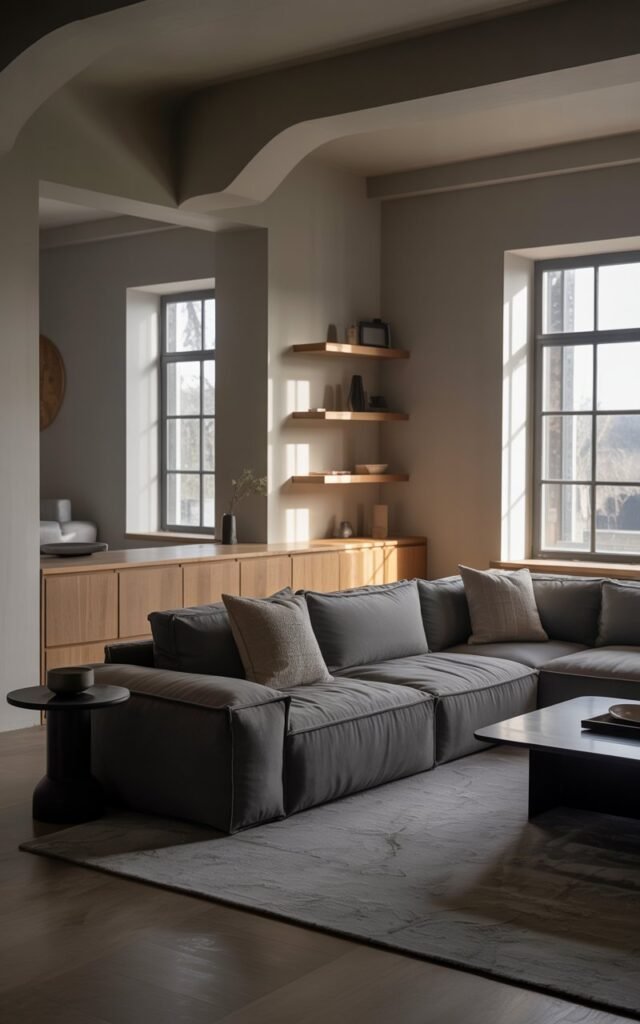
There was a time when gray felt like the safest, most “grown-up” choice for every space. Walls, sofas, rugs, curtains—you name it, I had it in some shade of gray.
I thought gray was sophisticated, versatile, and impossible to get wrong. For a while, it worked. It felt modern, clean, and orderly.
But after living with it for months, I noticed something subtle but significant: the rooms felt cold. Not cozy, not inviting, not warm.
Just… flat. The kind of flatness that makes a home feel like it’s missing personality, even if every piece of furniture and decor is technically “in style.”
I realized gray wasn’t the problem—it was that it was too uniform. When every surface shares the same tone, there’s no depth, no contrast, and no visual heartbeat.
I also noticed how light interacted with gray. Natural sunlight, which should make a room glow, often seemed muted or even harsh against so many gray surfaces.
Instead of feeling relaxing, the rooms began to feel heavy in an invisible way, a constant reminder that the space lacked life.
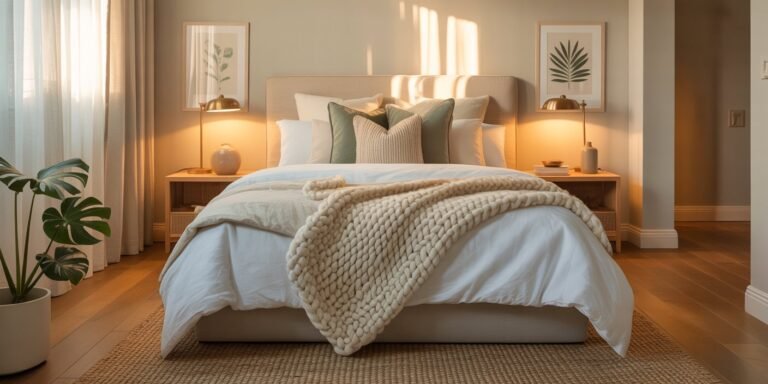
What changed everything for me was layering textures and warmth. Soft creams, warm beiges, greige tones, and natural woods brought depth without overwhelming the space.
Even keeping gray as a base but mixing in warm textures—like a cozy wool rug, linen curtains, or wooden furniture—completely transformed the feeling of the room.
Now, gray feels intentional, elegant, and timeless rather than cold or uninspired.
2. Matching Furniture Sets
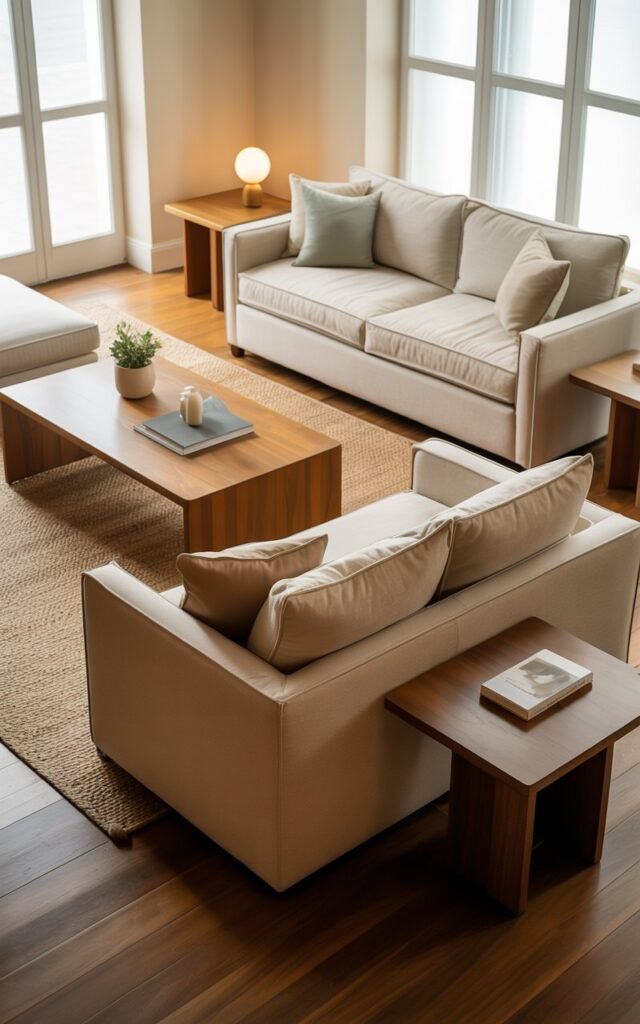
I used to believe that a matching furniture set was the ultimate shortcut to a “done” room.
If the sofa, loveseat, coffee table, and side tables all came from the same collection, everything would look coordinated, polished, and professional.
I thought it meant my home was put together. For years, I followed that rule without question.
But the more I explored interiors that genuinely felt stylish and lived-in, the more I realized something important: perfectly matched furniture often makes a room feel… lifeless.
Like a showroom. Like someone else’s design rather than your own. Every piece matches, but none of them has a story.
There’s no visual tension, no unexpected contrast, no personality shining through.
Over time, I began experimenting. A chair that didn’t match the sofa. A vintage coffee table that broke the line of the set.
A side table with a different texture or finish. At first, it felt risky, even wrong.
But slowly, the room came alive. The contrast made the space feel layered, collected, and personal.
Matching sets can still work if done sparingly, but what I’ve learned is that a home should feel curated, not cataloged.
Mixing pieces over time—adding furniture you love rather than furniture that matches—creates a sense of history, depth, and individuality.
It’s these little variations that make a room feel like yours, not like a display waiting for someone to take a picture of it.
3. Word Art That Says Everything (and Nothing)
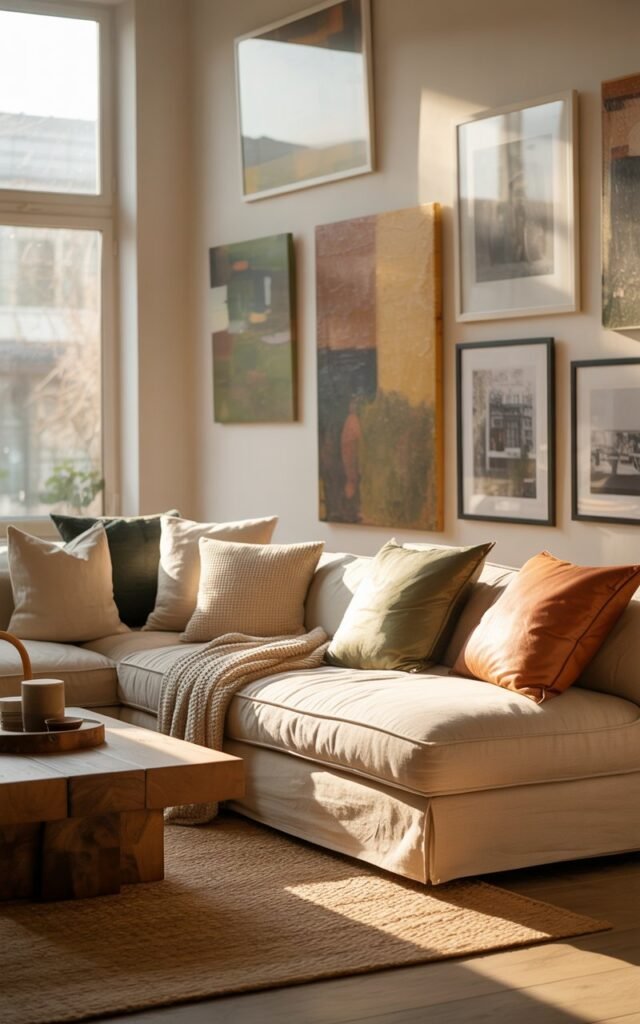
There was a phase in my decorating life when word art felt like the easiest way to fill empty walls. “Live, Laugh, Love.” “Blessed.” “Gather.”
I had a few myself, scattered across shelves and walls, because they seemed cheerful, harmless, and effortlessly stylish.
At the time, I thought they gave my home personality without any risk.
But over time, I realized these words weren’t adding personality at all—they were doing the opposite.
When every home is filled with the same generic phrases, nothing feels unique. Instead of a space reflecting who I am, it felt like I was borrowing someone else’s story.
The more I looked around, the more it hit me: these pieces didn’t speak to me. They were filler, a way to cover emptiness rather than create meaning.
The other thing I noticed is how quickly these signs date a room. What felt trendy and cozy five years ago now feels tired, predictable, and flat.
The irony is that something meant to add warmth and charm ended up making the space feel generic and lifeless.
What works much better is objects that carry a story, evoke emotion, or spark curiosity.
A framed photograph from a favorite trip, a piece of art that you connect with, or even a sculptural object that just “feels right.”
These elements invite people to notice, ask questions, and connect with your space in a way that generic words never could. A home should whisper your story, not shout someone else’s.
4. Overly Themed Rooms
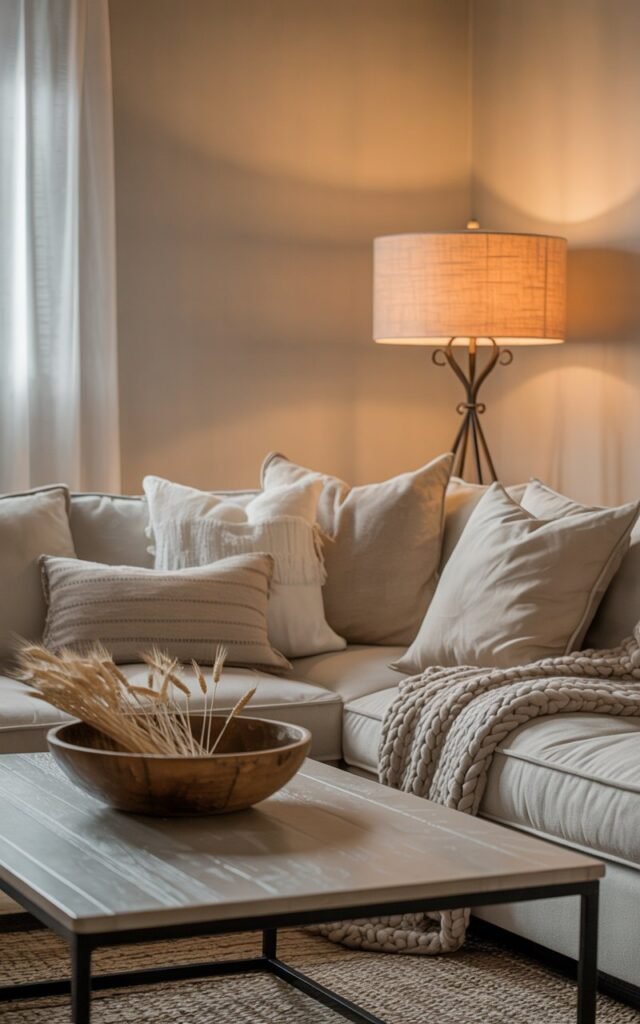
I used to believe that committing fully to a theme was the secret to a cohesive, stylish home.
Farmhouse everything. Nautical everything. Parisian everything. If the walls, furniture, and decor all matched the theme, the space was complete, right?
For a while, it felt fun and curated. I enjoyed the sense of identity it gave each room.
But over time, I noticed something subtle and frustrating: themed rooms age fast. What once felt charming begins to feel forced, staged, or even tired.
Themes don’t evolve with you—they freeze a room in a particular moment. And as your taste naturally changes, the room starts to feel disconnected from the person living in it.
The solution isn’t abandoning inspiration—it’s subtlety. Let a room hint at a style instead of being fully locked into it.
One or two pieces inspired by a favorite aesthetic can suggest a theme without overpowering the space.
Texture, color, and layering can nod to a style in a way that’s flexible and personal.
The magic happens when your home has layers. Pieces you love, furniture that tells a story, and accents that inspire without overwhelming.
That’s what makes a room feel lived-in, approachable, and timeless, instead of trapped in a trend that no longer fits who you are.
5. Heavy Window Treatments That Block the Light
There was a time when I thought the heavier the curtains, the more luxurious the room.
Layers upon layers of fabric, tassels, ornate rods—it all felt “finished” and expensive. I remember loving the idea of these heavy drapes, imagining my living room would feel sophisticated and polished.
But living with them was a different story. The weight of the curtains blocked natural light, and suddenly, my rooms felt darker and smaller than they actually were.
Instead of warmth and coziness, they brought a sense of heaviness, both visually and emotionally. I realized that while style is important, a space also needs to breathe.
I also noticed a mental effect. Every morning, the heaviness of the drapes subconsciously made the room feel oppressive.
The sunlight, which should have made the room vibrant and uplifting, felt muted and distant. Over time, that constant visual weight made me crave spaces that felt lighter, brighter, and more alive.
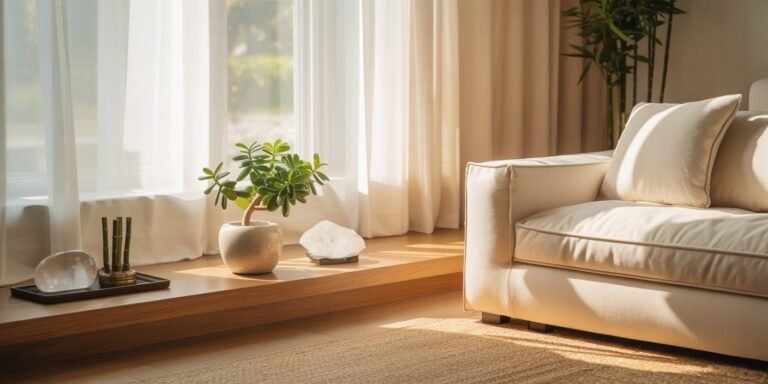
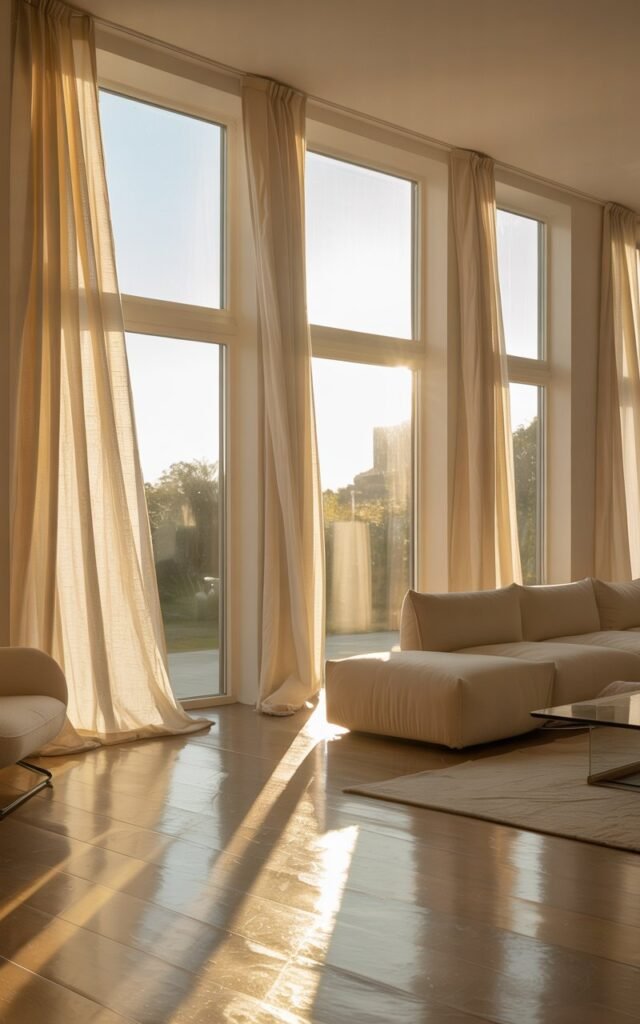
The solution was surprisingly simple: swap the heavy drapes for light, airy fabrics like linen or sheer curtains, or even clean, minimal blinds.
Let the natural light pour in. Suddenly, the room felt expansive, warm, and welcoming.
The lesson? Luxury doesn’t come from layers of fabric—it comes from how a room makes you feel. And nothing breathes life into a space quite like sunlight.
6. Bold Accent Walls That Feel Disconnected
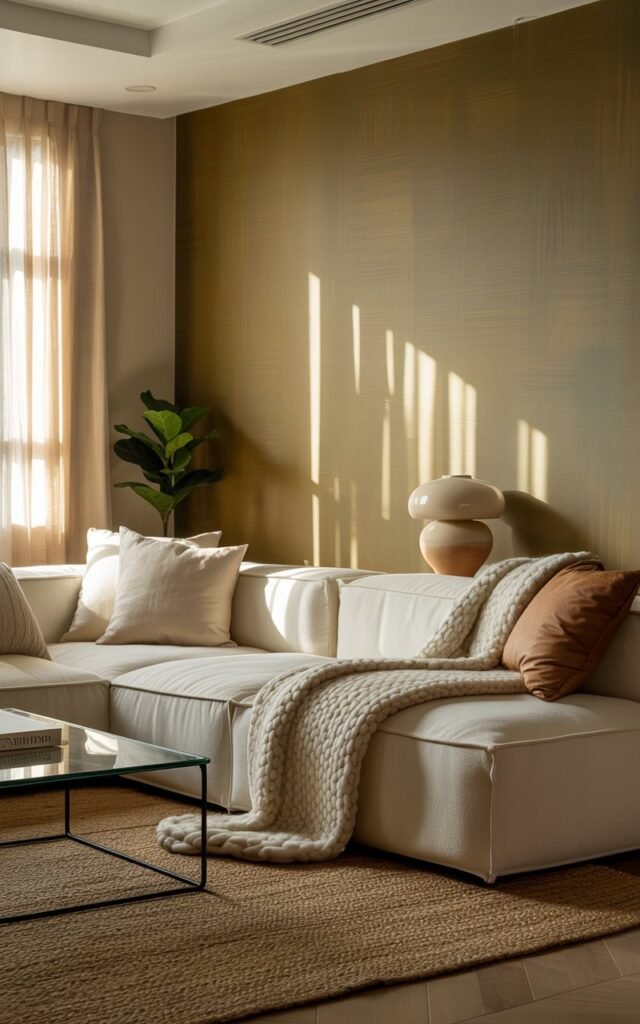
I used to love the idea of bold accent walls. One dramatic color and a room could feel instantly “designed,” full of personality and energy.
I painted walls in deep reds, purples, and even navy, thinking this would bring depth and style. At first, it did. The contrast was exciting, and the room seemed alive.
But over time, those walls began to feel like strangers in my own home. Instead of adding depth, the colors often clashed with furniture or decor.
They created a disconnection, as if one wall was living in a completely different space than the rest of the room.
What was supposed to make the space cohesive actually highlighted its lack of balance.
I also noticed how bold accent walls age. What feels daring and current today can feel dated and heavy tomorrow.
The color that once added excitement begins to dominate and limit how the room evolves.
Now, I prefer subtlety and cohesion. Soft palettes, textures, or gentle variations in tone give a room personality without overwhelming it.
Wood panels, patterned wallpaper, or even a slightly darker shade of the same color can add interest and depth, but the room still flows naturally.
The key is creating a space where every element feels connected, allowing the room to grow with you rather than lock it into a fleeting moment.
7. Faux Distressed Furniture That Tries Too Hard
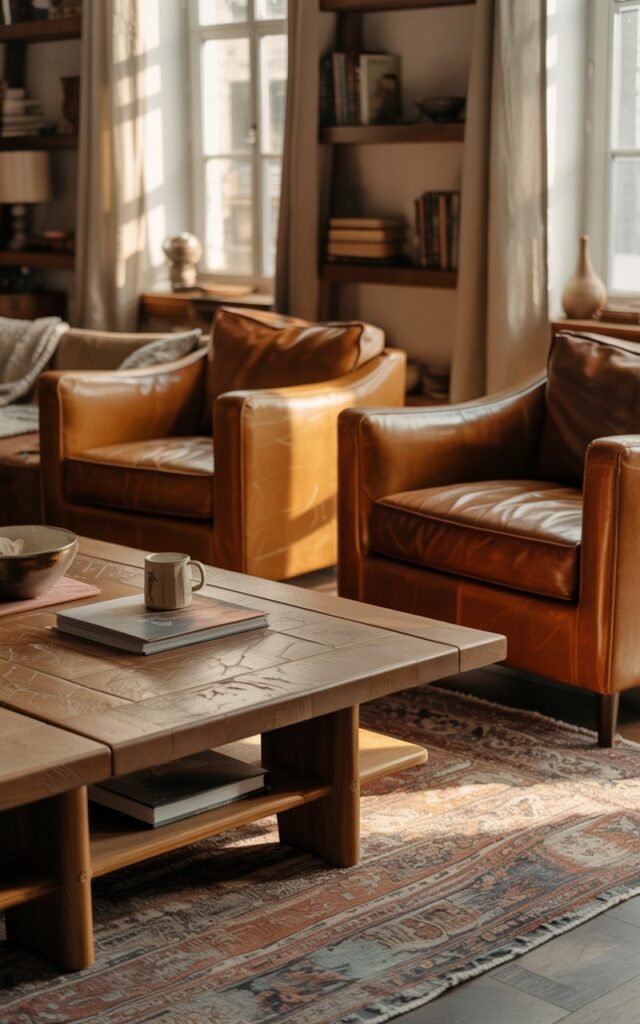
There was a phase when I believed furniture needed to look “old” to feel warm.
The chipped paint, rough edges, and intentionally worn finishes felt charming at first—like they carried history and character.
I loved the idea of my home feeling collected rather than bought all at once.
But the longer I lived with these pieces, the more obvious it became that the aging wasn’t real—it was manufactured.
Instead of feeling soulful, it started to feel forced. The wear patterns were identical, the imperfections too perfect, the story already decided before the furniture ever entered my home.
That’s when it hit me: real character can’t be rushed.
Furniture that pretends to be vintage often ends up dating a space faster than expected.
What once felt cozy starts to feel trendy in the wrong way, especially as these pieces become mass-produced and overly familiar.
What feels timeless now is honesty. Real vintage pieces with genuine wear. Simple, well-made furniture that earns its marks over time.
Even modern designs feel warmer when they’re allowed to age naturally alongside you.
A home should collect stories as you live in it—not arrive with fake ones attached.
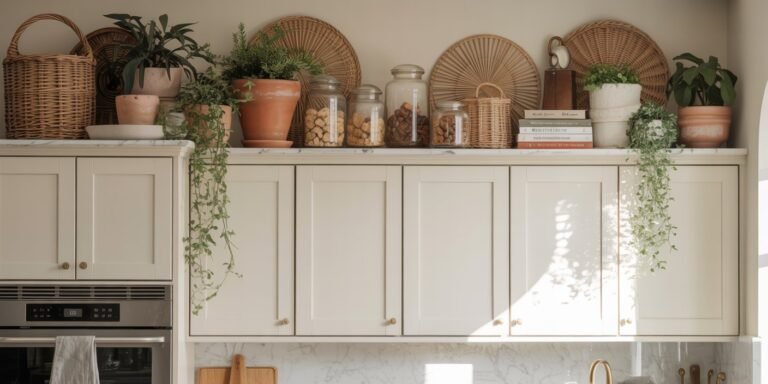
8. Too Much Open Shelving That Turns Into Visual Noise
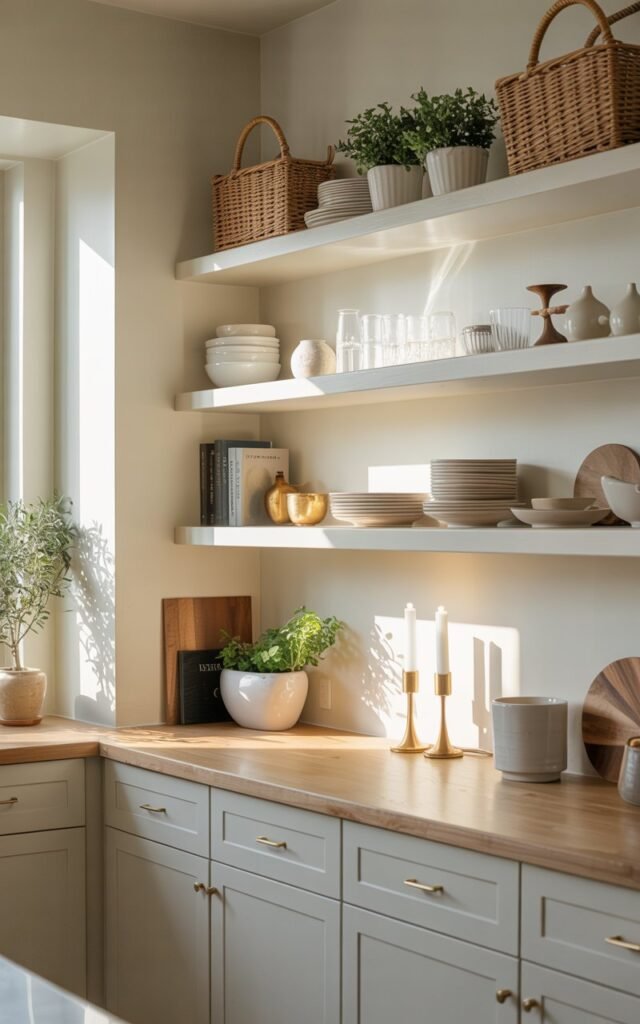
I won’t lie—open shelving looks beautiful in photos. Clean stacks of dishes, carefully placed decor, everything looking effortless and airy.
I was drawn to that look and thought it would make my home feel lighter and more modern.
In reality, it did the opposite.
Living with too much open shelving meant everything was always on display. Every cup, every plate, every random item suddenly became part of the decor whether I wanted it to or not.
Instead of feeling open, the space started to feel busy. Instead of calm, it felt constantly unfinished.
There’s also the quiet pressure that comes with open shelving—the need to keep things looking perfect all the time.
That’s not how real homes work. We live in them. We move quickly. We don’t always have time to style shelves every day.
What I’ve learned is that balance is everything. A few open shelves for meaningful pieces you truly love, paired with closed storage that hides the everyday mess.
When your home gives your eyes a place to rest, it also gives your mind one. That’s when a space starts to feel peaceful instead of performative.
9. Shiny Gold Finishes Used Everywhere
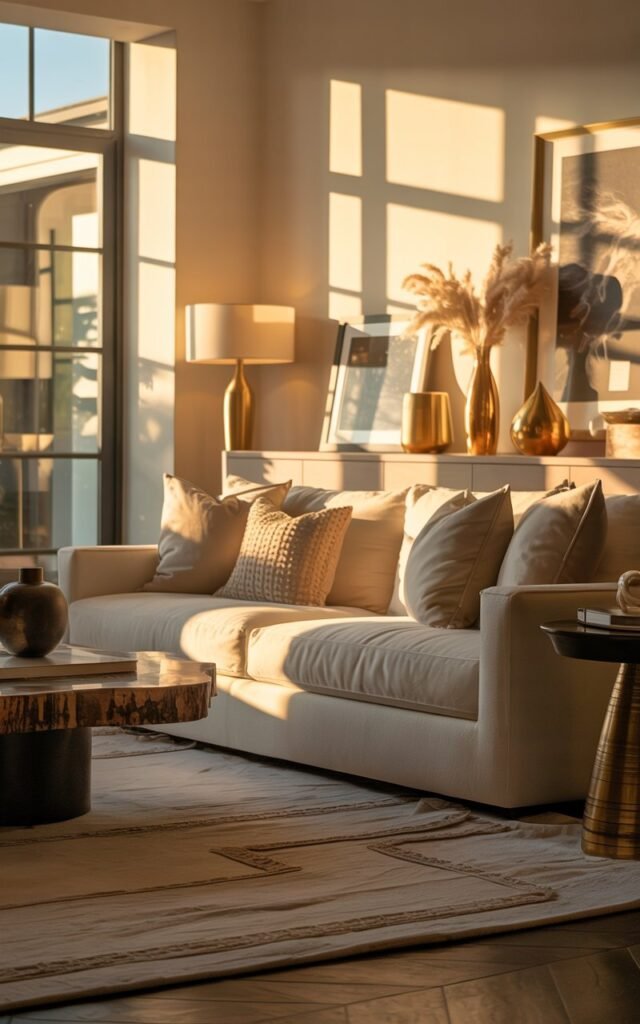
There was a time when gold meant instant luxury. I remember replacing cabinet handles, faucet fixtures, picture frames, and even light fittings—all in shiny gold—because it felt like the fastest way to make a space look polished and expensive.
At first, it felt magical. Every reflection, every warm glint, made the room feel elevated, glamorous, and intentional. I was proud of it.
But as time went on, I noticed something subtle: the shine started to dominate the space. Instead of accents quietly enhancing the room, the gold shouted.
It became obvious that I had leaned too heavily into a trend, and suddenly the rooms didn’t feel timeless—they felt tied to a very specific moment in design history.
Overuse of metallics can make a home feel flashy rather than elegant. When every handle, every lamp, and every little object is gold, there’s no room for contrast or breathing space.
The visual tension becomes exhausting, and instead of feeling like a sanctuary, the room can feel like a set design.
What works better now is intentional restraint. A few well-chosen metallic accents—a pendant light, a door handle, a decorative vase—can bring warmth and sophistication without overwhelming the space.
Brushed brass, muted bronze, or matte black can feel modern and timeless, giving your home personality without locking it into a single, dated trend.
It’s amazing how subtlety can instantly make a space feel richer, calmer, and more personal.
10. Overstuffed Furniture That Overwhelms the Room
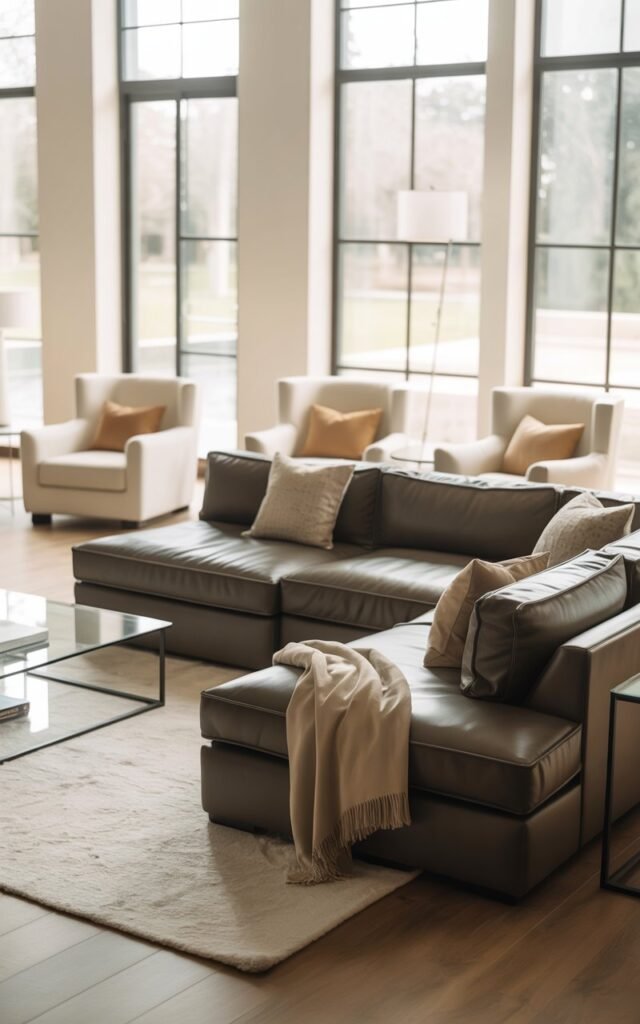
I used to think bigger automatically meant more comfortable. The deeper the cushions, the wider the arms, the more overstuffed the sofa—the cozier the space must feel.
That was the logic I lived by. And for a while, it worked… until it didn’t.
Overstuffed furniture has a sneaky way of taking over a room without you realizing it. It dominates the space, blocks natural flow, and can shrink even a large living room.
You might have the perfect seating for comfort, but suddenly the room feels heavy, crowded, and visually oppressive. What was meant to be inviting now feels restrictive.
I’ve learned that comfort and proportion aren’t the same thing. Sleek silhouettes, raised legs, and thoughtful dimensions can still be cozy without visually swallowing the room.
A sofa that fits, rather than overwhelms, allows your space to breathe.
The room instantly feels lighter, calmer, and more welcoming—not just to your guests, but to you every single day.
There’s also a mental effect: oversized furniture can subconsciously weigh on you. Walking into a room full of heavy pieces feels more tiring than relaxing.
Smaller, proportionate furniture encourages movement, openness, and a sense of flow—something I didn’t realize until I swapped my bulky sofa for one that actually fit the room. The difference was transformative.
11. Fake Plants That Look Fake
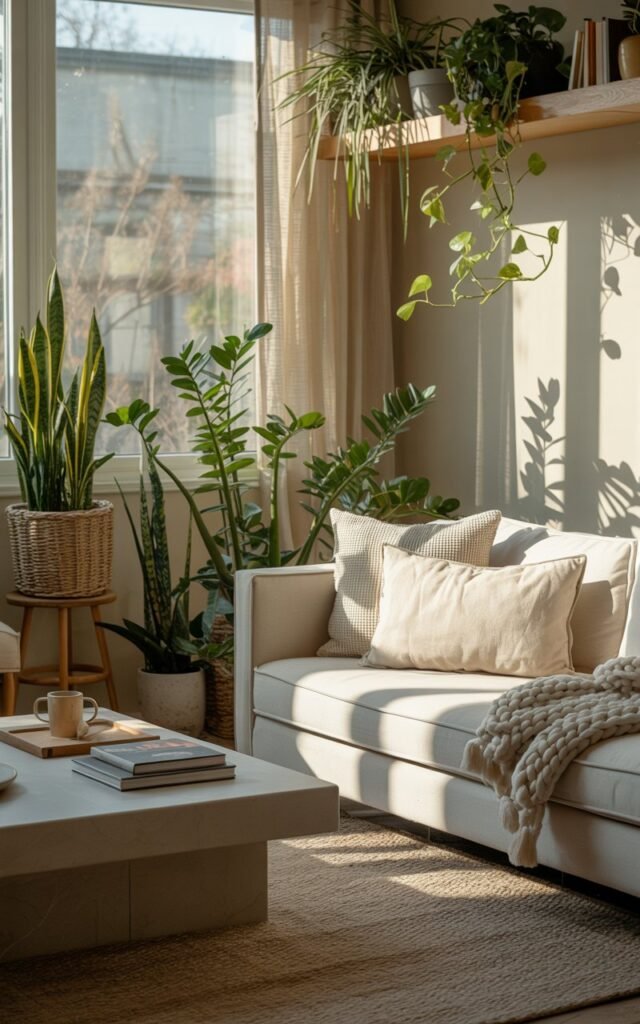
This is one of my biggest decorating regrets. I desperately wanted greenery in my home, but keeping plants alive was a struggle.
I thought fake plants would be the perfect solution. At first, it seemed like a dream come true: they never died, never needed water, and always looked perfectly arranged.
I thought I had found the shortcut to a lively, stylish home.
But over time, it became painfully clear that fake plants have a secret: they can drain life from a room instead of adding it.
Cheap faux greenery looks too shiny, the leaves too stiff, and the colors just slightly off.
It’s subtle, but it makes a space feel staged, impersonal, and oddly cold. Instead of adding vibrancy, these artificial plants were making my rooms feel artificial too.
What changed everything for me was discovering either high-quality faux plants that actually mimic nature—or better yet, easy-to-care-for real plants like snake plants, pothos, ZZ plants, or succulents.
Just a single healthy, living plant can transform a room. It adds color, texture, and movement.
It makes your home feel lived-in, peaceful, and full of life in a way that no fake plant ever could.
12. Trend-Chasing Without Intention
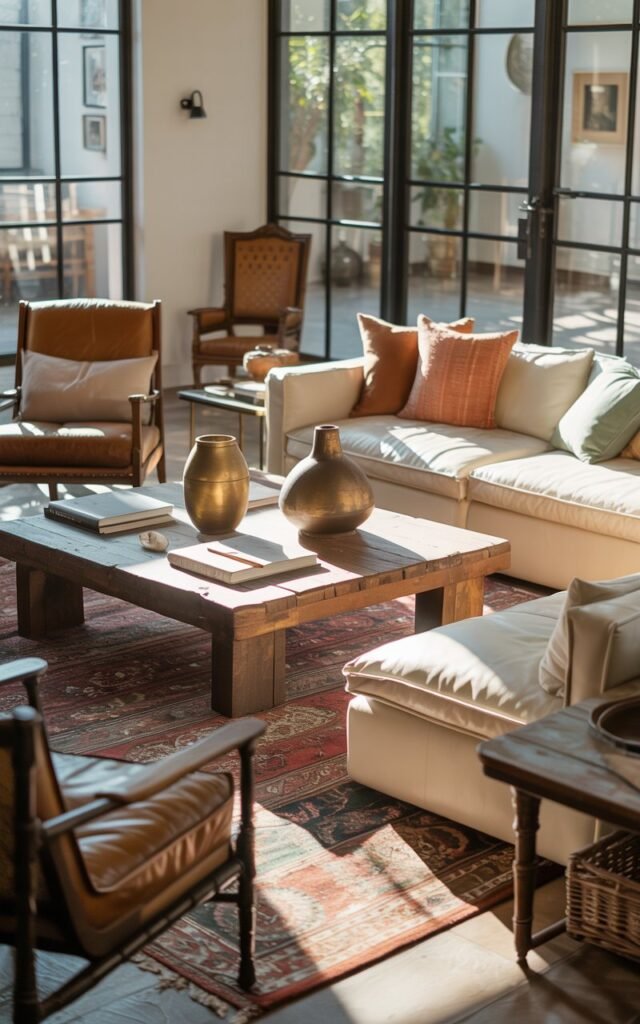
This is perhaps the trap I fell into most often. A new color palette pops up on Instagram. A specific style dominates Pinterest.
A trend goes viral. And suddenly, I felt compelled to follow it, to buy it, to make my home “current.”
It felt exciting at first—the thrill of being in style—but slowly, I noticed something important: my home no longer felt like my home.
Trend-chasing without intention creates spaces that look curated but soulless. They tell everyone else’s story, not yours.
And trends don’t last—they vanish faster than you expect, leaving you surrounded by things that feel irrelevant, disconnected, and emotionally flat.
The solution I’ve learned is simple but powerful: decorate intentionally. Choose pieces you genuinely love, items that fit your life, and things you could see yourself living with for years.
Let trends inspire you, but don’t let them dictate your choices. When your home reflects your personality, it won’t feel dated even when trends come and go—it will feel timeless.
Final Thoughts: A Home That Feels Like You
If there’s one truth I’ve discovered through all these decorating mistakes, it’s this: a home should reflect who you are, not what the world says is stylish.
It should feel lived-in, personal, and comforting, not stuck in the past or trapped in someone else’s Pinterest feed.
This isn’t about perfection. It’s about intention, about letting go of what no longer fits and carefully choosing what truly belongs.
When you live in a space that makes sense for your life, your personality, and your daily habits, everything changes.
Rooms feel brighter, lighter, and more peaceful. Your home becomes a space that nurtures you rather than overwhelms you.
Look around your home. Ask yourself: Does this space feel like me? Does it make me feel calm, happy, and inspired?
If the answer is no, it might be time to rethink a few pieces, let go of trends that no longer serve you, and embrace what makes your home uniquely yours.
Because when a home feels like you, it doesn’t just look beautiful—it feels alive, welcoming, and truly yours.
That’s the kind of space you want to live in, day after day, and the kind of home that friends, family, and even strangers can immediately sense has heart.
If any of this resonates, save it. Share it. And take a moment to look around your home with fresh eyes—you might be surprised how much life you can bring back by letting go of the outdated, the forced, and the fake, and keeping only what truly matters.