
How to Do a 2-Day Home Reset Without Burning Out

Sometimes, life feels overwhelming. Dishes pile up, laundry mountains grow, mail and clutter multiply, and suddenly your home feels chaotic rather than cozy.
I’ve been there more times than I can count! The idea of doing a full deep clean in one day? Forget it—I’ve tried, and by noon, I was exhausted, frustrated, and sometimes even on the verge of tears over a mop.

That’s when I discovered the 2-day home reset. It’s a method that lets you refresh your entire home in just two focused days without burning out, and I’ve tried it multiple times with fantastic results.
Today, I’m sharing my step-by-step approach, mistakes I’ve made, personal tips, and practical advice so you can get your home sparkling, feel accomplished, and actually enjoy the process.
Disclaimer: This post may contain affiliate links, which means I may earn a small commission at no extra cost to you. Cleaning products and organizational systems vary by household needs. Always follow product instructions and choose methods that fit your space, schedule, and physical abilities.
Amazon Shopping List: How to Do a 2-Day Home Reset Without Burning Out
- Multi-Surface Cleaning Spray
- Microfiber Cleaning Cloth Set
- Large Laundry Hamper with Handles
- Storage Baskets for Quick Decluttering
- Daily Planner or Home Management Notebook
- Cordless Handheld Vacuum Cleaner
- Timer Cube for Focused Cleaning Sessions
Why a 2-Day Reset Works

Before diving in, it’s important to understand why splitting your reset over two days makes such a difference:
- Prevents burnout: Doing everything in one day is overwhelming and exhausting. Breaking it into decluttering one day and cleaning the next keeps energy high.
- Improves focus: You can dedicate full attention to each task instead of rushing through everything.
- Boosts motivation: Seeing quick wins on Day 1 gives you energy to tackle Day
- Mental refresh: Decluttering first clears your mind and makes cleaning feel easier and more satisfying.
I used to cram cleaning into one Saturday, only to feel exhausted and regretful. Once I switched to a 2-day reset, I noticed my home felt calmer, organized, and lighter, and I actually looked forward to the process.
Day 1: Declutter and Clear the Surfaces
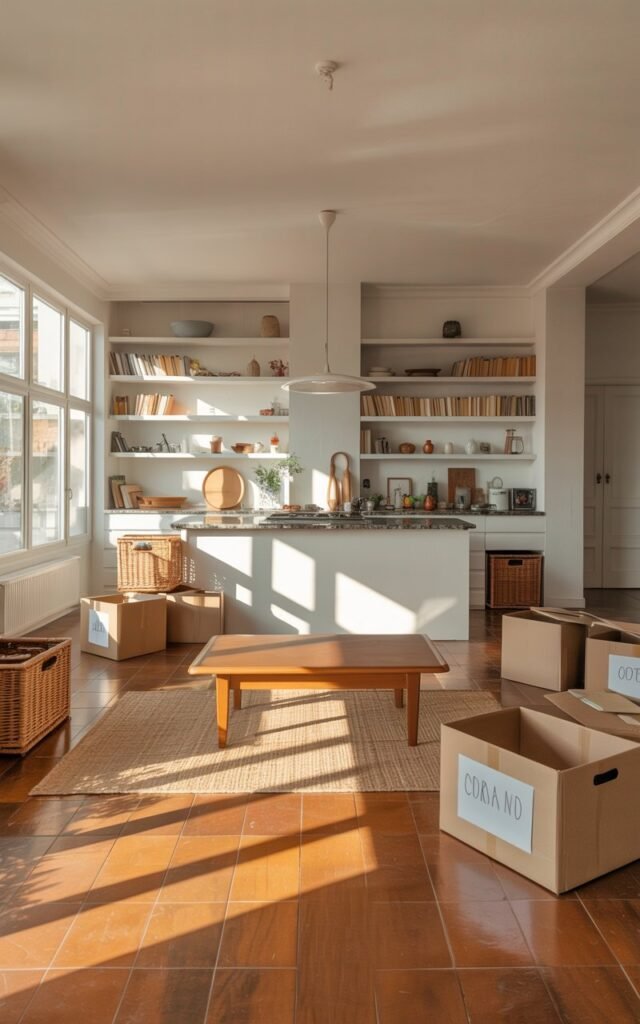
The first day is all about lightening the load. Think of it as clearing mental and physical space.
A cluttered home can feel messy even if it’s spotless. So before scrubbing or mopping, you want to declutter.
1. Set Your Intentions
Before touching anything, take a few minutes to visualize the outcome.
I like to imagine walking into my home on Day 2, seeing flat surfaces cleared, organized spaces, and everything in its place.
This small mental exercise motivates me and sets a purposeful tone for the day.
2. Start With High-Traffic Areas
Focus on the areas you interact with most: the kitchen, living room, bedroom, and entryway. Don’t worry about closets or storage rooms yet.
I personally start with the kitchen counter—it’s amazing how much stress melts away when that space is clear.
3. Use the “Four-Box Method”
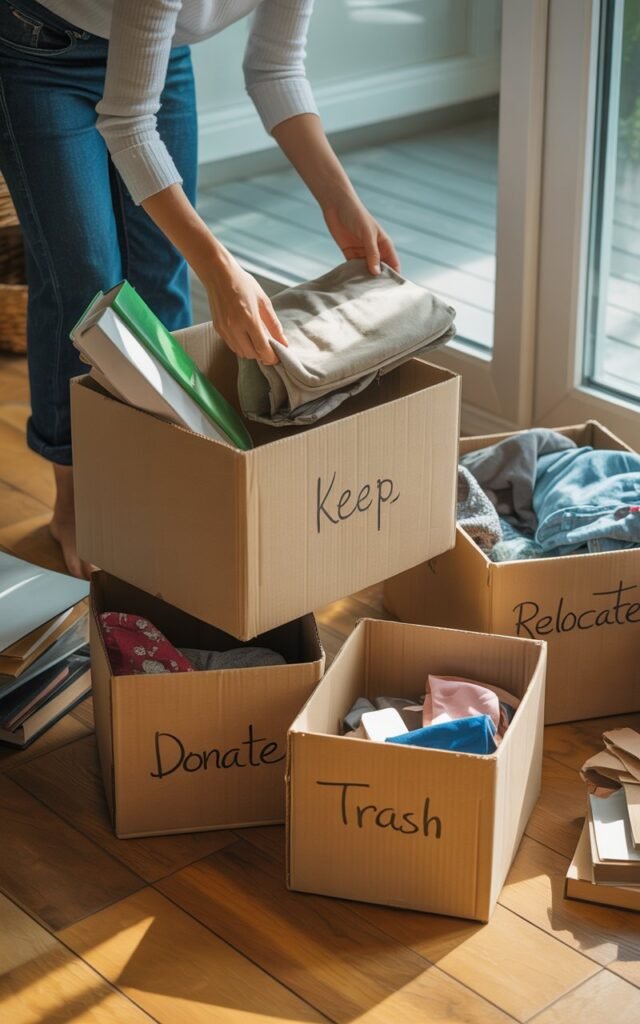
One trick that changed my decluttering routine is the Four-Box Method. Grab four bins or boxes labeled:
- Keep – Things you need or love
- Donate/Sell – Items in good condition that you don’t use
- Trash – Broken, expired, or unusable items
- Relocate – Things that belong somewhere else
Go room by room and touch every item. This keeps you decisive and prevents endless debating over whether you “might need” something.
I promise, most things go in the donate/trash box!
4. Clear Flat Surfaces

Flat surfaces—countertops, tables, and shelves—instantly make a space look messy.
Focus on these first. I keep a small basket for items without a permanent place and tackle them later in the day.
By evening, seeing empty countertops is incredibly motivating.
5. Quick Surface Wipe
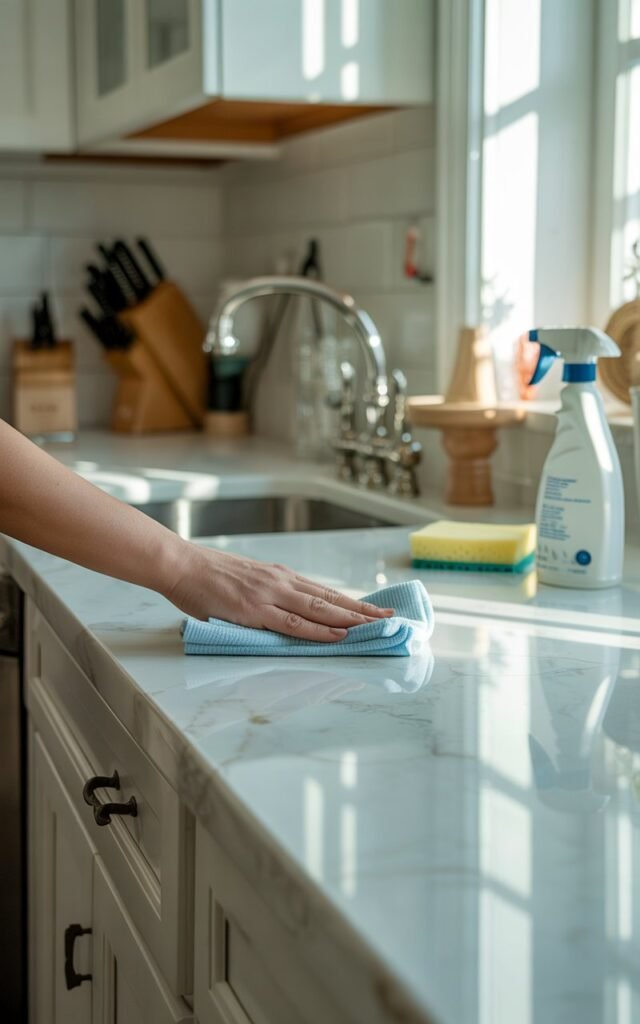
Once decluttering is done, I like to wipe down all flat surfaces with a gentle cleaner.
Not a full deep clean, just enough to make surfaces feel light and fresh.
This small action gives an immediate visual reward, and it’s amazing how motivating it is to see clutter-free, clean surfaces.
6. Quick Wins for Small Spaces
If you live in a smaller home, small areas like the entryway or hallway can have an outsized impact.
I always clear shoes, coats, and random items. A neat, welcoming entrance sets the tone for your home.
Day 2: Deep Clean and Restore Order
After decluttering, Day 2 is about cleaning, organizing, and restoring calm. The key is pacing yourself—you’re not running a marathon.
This is about refreshment, not exhaustion.
1. Floors First

Clean floors instantly make a space feel fresh. I usually vacuum high-traffic areas first, then mop or steam clean.
Tip: do one room at a time. The sense of progress keeps you motivated and prevents feeling overwhelmed.
2. Kitchen Deep Clean
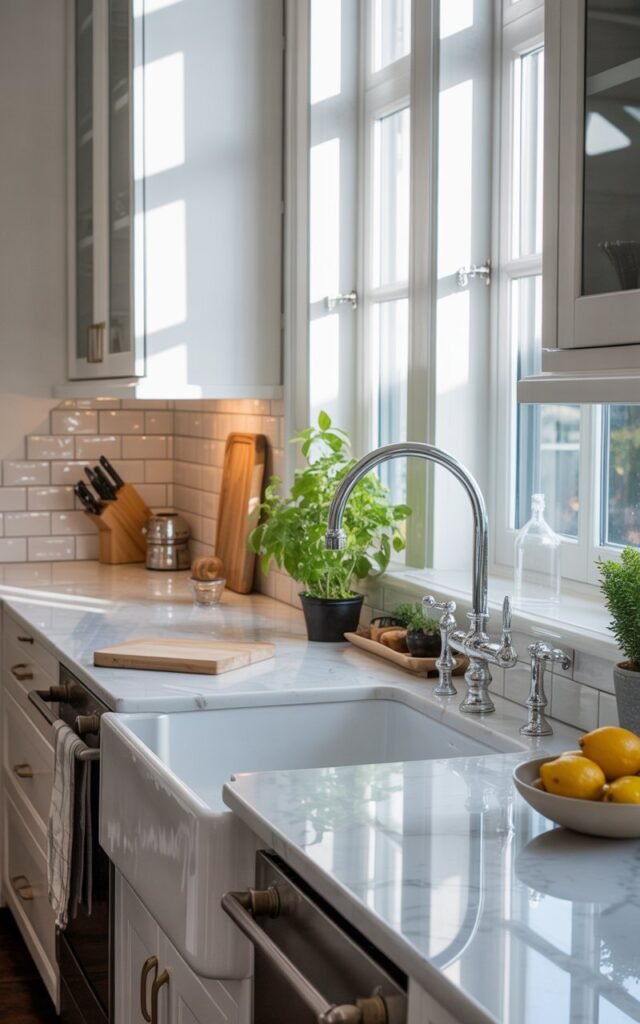
The kitchen often feels like the most daunting room, but a systematic approach helps:
- Empty and clean the sink
- Wipe down countertops and cabinet faces
- Clean appliances: microwave, fridge, toaster
- Sweep and mop floors
Pro tip: play upbeat music—it transforms the task from tedious to fun. Sometimes I even dance with the mop in hand!
3. Bathroom Reset
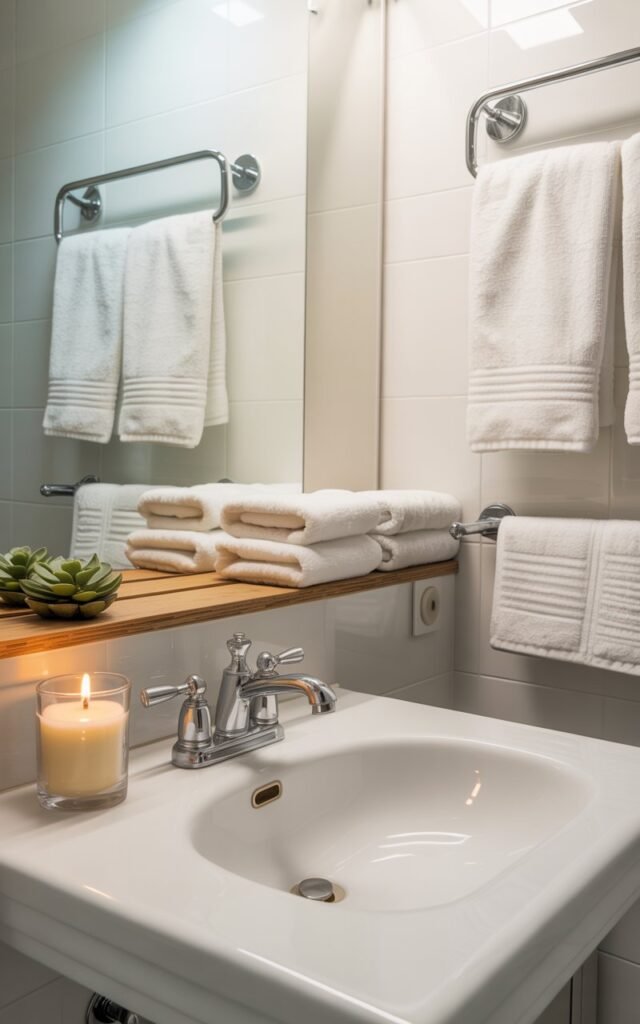
Bathrooms can feel overwhelming, but you can reset efficiently:
- Scrub sink, toilet, and shower
- Wipe mirrors and counters
- Replace old towels with fresh ones
- Sweep and mop the floor
Adding small touches like a scented candle or fresh hand soap instantly makes the bathroom feel spa-like.
4. Bedroom Refresh

Bedrooms should feel like retreats. I make the bed with fresh linens, clear bedside tables, and organize dressers.
Even simple steps like fluffing pillows, folding blankets, and straightening decor can dramatically improve the feeling of calm.
5. Living Room Reset

- Dust and wipe surfaces
- Tidy electronics, books, and magazines
- Fluff and rotate pillows
- Vacuum or mop floors
I like to rotate small decor items seasonally—it’s an inexpensive way to keep the space feeling fresh and intentional.
6. Quick Organizational Touches

- Sort the “relocate” box from Day 1
- Hang or fold laundry that was waiting
- Put items in their permanent spots
Finishing with everything in its place gives a sense of accomplishment and peace. Seeing your home organized is incredibly rewarding.
Mini Tasks That Make a Big Difference

I’ve learned that small, consistent actions reduce stress and prevent clutter from piling up:
- Daily 15-minute tidy-up: Pick one area each day (like a counter, table, or shelf) and quickly organize it.
- Laundry reset: Fold or hang clothes immediately instead of letting them pile up.
- Mail & papers: Sort through mail daily to avoid stacks building up.
These mini resets maintain your home between full 2-day resets and prevent burnout.
Personal Anecdotes
The first time I did a 2-day reset, I wasn’t sure I’d finish. But by the end of Day 1, I had donated three bags of items, cleared all countertops, and felt mentally lighter.
Day 2’s cleaning went much smoother, and by evening, my home felt bright, organized, and calming.
Now, I do a mini 2-day reset every couple of months. Even if I don’t deep clean everything, just going through the motions refreshes both my home and my mindset.
I even found long-lost items in the process—a reminder that this method isn’t just about cleaning; it’s about reconnecting with your space.
Tips to Avoid Burnout
- Work in bursts: 45–60 minutes of cleaning, then a 10–15 minute break.
- Stay hydrated: Keep water and snacks handy.
- Music or podcasts: Make it fun, not a chore.
- Dress comfortably: Loose clothes and sneakers help you move freely.
- Pace yourself: Progress is more important than perfection.
Bonus: Mindful Reset
While the 2-day home reset focuses on physical space, I also include a mental reset:
- Open windows for fresh air
- Light candles or diffuse essential oils
- Play calming music or nature sounds
- Take 10 minutes to just sit in your freshly reset home
Combining a clean home with a calm mind makes the reset feel complete.
Maintenance Tips
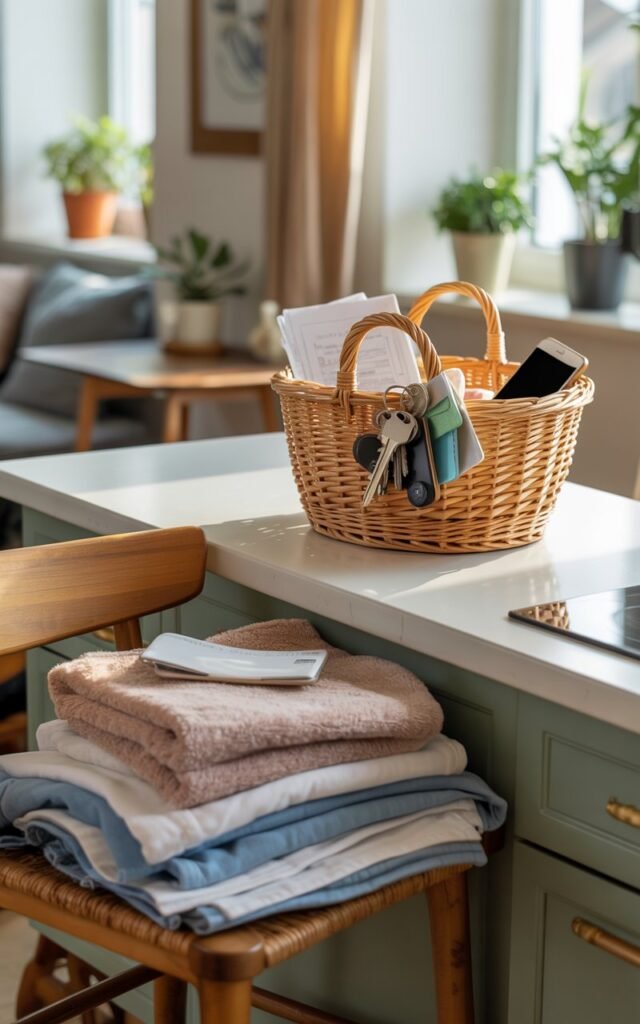
To keep your home reset:
- Daily 30-minute tidy-up: Quick touch-ups prevent clutter from accumulating.
- Weekly mini-clean: Wipe counters, sweep floors, and fold laundry.
- Monthly mini-declutter: Go through drawers, pantry, or closet items quickly.
These small habits make the next 2-day reset easier and faster.
Final Thoughts
A 2-day home reset is more than cleaning—it’s a refresh, a recharge, and a celebration of your space.
By splitting decluttering and cleaning into two focused days, pacing yourself, and using simple organizational hacks, you can have a sparkling home without burning out.
Remember, it’s about progress, not perfection. Celebrate little wins: cleared counters, folded blankets, and a fresh bouquet on the table.
Your home—and your mind—will feel lighter, calmer, and more inviting.